New Zealand Saves World's Only Flightless Parrot
Every single kākāpō parrot in existence lives on predator-free islands and wears a tracking device. After cats and stoats nearly wiped them out, New Zealand now manages each of the world's rarest parrots individually.
Imagine caring for an endangered species so intensively that every single bird has a name, a medical file, and its own GPS tracker.
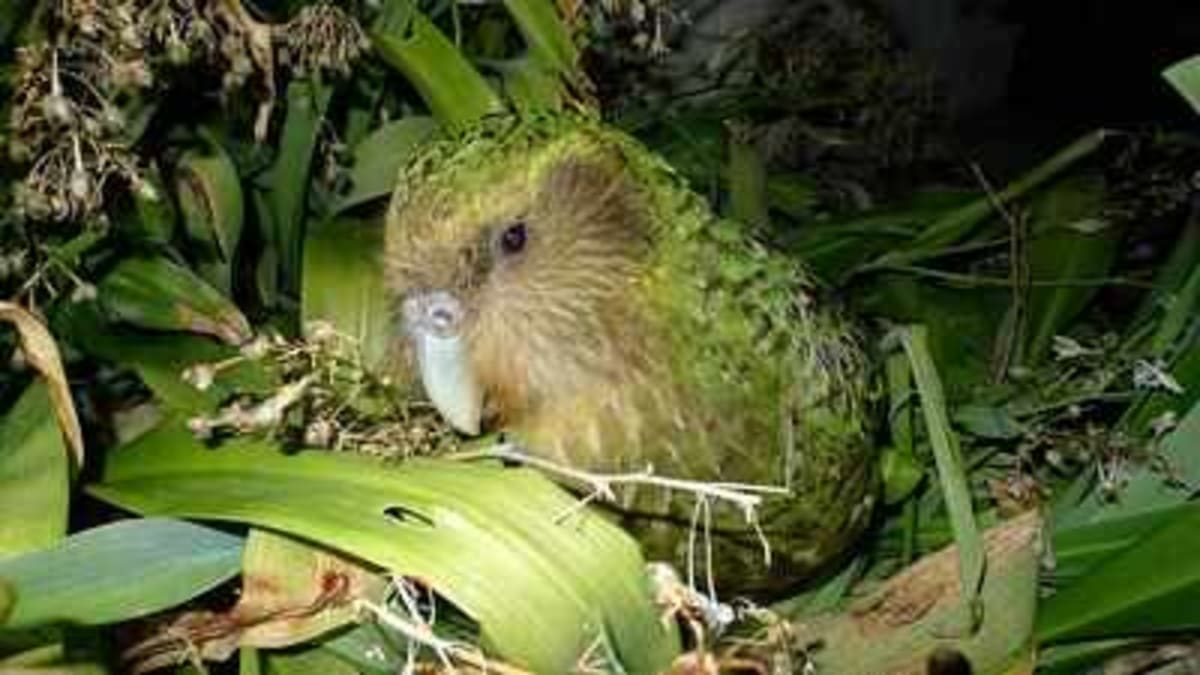
That's exactly what New Zealand has done to save the kākāpō, the world's only flightless parrot. After introduced predators like cats, stoats, and rats pushed these nocturnal giants to the brink of extinction, conservationists made a bold decision: move every surviving bird to predator-free islands and manage them one by one.
The kākāpō never stood a chance against mammals. After evolving for millions of years in New Zealand's forests without any land predators, these parrots lost their ability to fly and developed a freeze response when threatened. When humans arrived and brought cats, rats, and stoats, that survival strategy became a death sentence.
By the late 1900s, only 56 birds remained. Conservationists relocated all of them to offshore islands where every predator had been removed. Each bird received a radio or GPS transmitter, transforming the kākāpō into perhaps the most closely monitored species on Earth.
Today, every living kākāpō has a complete medical history and genetic profile on file. During breeding seasons, cameras watch over nests 24/7. Eggs get veterinary care. Chicks are weighed and monitored constantly. If a mother struggles, conservationists step in with supplemental feeding or even artificial incubation.
The intensive approach is necessary because kākāpō breed incredibly slowly. Females only nest every two to five years, triggered by the fruiting of native rimu trees. Males don't help raise chicks; instead, they gather at traditional sites and boom deep calls that echo for kilometers to attract mates. With breeding opportunities so rare, every egg matters.
The Ripple Effect
The painstaking work is paying off. From just 56 birds in the 1990s, the population has grown significantly thanks to predator-free sanctuaries, genetic management, and round-the-clock care. Scientists now use genome sequencing of nearly every living bird to guide breeding decisions, maximize genetic diversity, and identify health risks before they become problems.
This recovery story shows what's possible when a nation commits fully to saving a species. New Zealand's Department of Conservation has turned kākāpō management into a science, proving that even species on the absolute edge of extinction can come back with enough dedication.
Few conservation projects track individual animals so closely. But for the world's largest, flightless, nocturnal parrot, this extraordinary effort is bringing a unique species back from the brink.
More Images



Based on reporting by Google News - Conservation Success
This story was written by BrightWire based on verified news reports.
Spread the positivity!
Share this good news with someone who needs it