England Invests £60M to Save 350+ Endangered Species
England just launched its largest ever wildlife rescue program, investing £60 million to save more than 350 threatened species from extinction. From ghost orchids to white-clawed crayfish, 130 conservation projects will help restore wildlife populations that have fallen by a third since 1970.
England is turning the tide for hundreds of species on the brink of extinction with a groundbreaking £60 million investment in wildlife recovery.
Natural England announced the historic funding Wednesday, marking the largest commitment ever made to save the country's threatened plants, animals, and fungi. The program will support 130 projects protecting 364 species, from butterflies to beetles, orchids to crayfish.
The stakes are high. Since 1970, wildlife populations across England have plummeted by a third, with one in six species now facing extinction in Great Britain.
Among those getting a lifeline is the ghost orchid, so rare it disappeared from records for 23 years before scientists rediscovered it in 2009. Conservation teams will now track it using detection dogs and environmental DNA technology.
The white-clawed crayfish, England's only native crayfish species, will also benefit from targeted protection against invasive species threatening its survival. The northern dune tiger beetle, one of the country's fastest declining insects, rounds out the list of creatures getting urgent help.
Even farmed landscapes, which have seen some of the sharpest wildlife declines, will play a role in the recovery. Several projects will help farmers restore nature alongside food production, including efforts to boost pollinator species that directly support crop yields.
The Ripple Effect
This investment goes beyond saving individual species. Zoos and aquariums across northern and southern England will lead Native Species Recovery Hubs, running captive breeding programs for 16 rare invertebrate species and connecting millions of zoo visitors to conservation efforts.
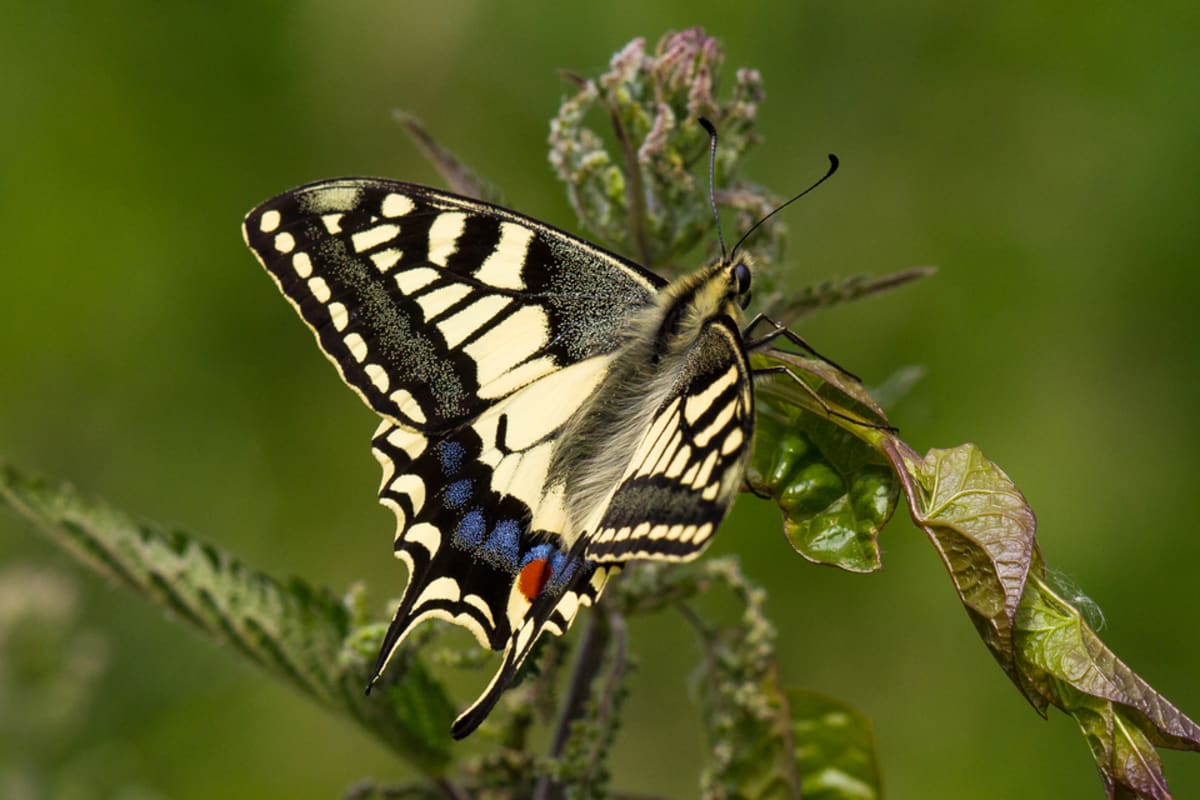
The program builds on three decades of proven success. Previous efforts have protected over 1,000 species and prevented the national extinction of at least 35 species, including comeback stories like the red kite, pool frog, beaver, and large blue butterfly.
Environment Secretary Emma Reynolds emphasized the urgency. "Nearly one in six species in Britain are threatened with extinction and this Government is taking action to reverse that decline," she said.
The £60 million funding spans three years, with an additional £30 million dedicated to species recovery in national forests. That brings the total government commitment to £90 million for wildlife restoration.
Natural England Chair Tony Juniper pointed to past victories as proof of what's possible. "We know that good science and effective partnerships can help restore species to favourable status," he said.
The investment comes as England races to meet ambitious legal targets: halt the decline in species abundance by 2030 and reduce extinction risk by 2042. With detection dogs, cutting-edge DNA technology, and partnerships spanning farmers to zookeepers, England's rarest creatures finally have a fighting chance.
More Images
Based on reporting by Google News - Endangered Species Recovery
This story was written by BrightWire based on verified news reports.
Spread the positivity!
Share this good news with someone who needs it