Peru Unlocks 4 New Cacao Lineages for Better Chocolate
Scientists discovered four new genetic varieties of cacao trees growing in Peruvian farmers' backyards, with two showing potential for exceptional chocolate flavor. The find could boost income for over 80,000 farming families while expanding options for premium chocolate makers worldwide.
Hidden treasures don't always sit in vaults. Sometimes they're growing quietly in a farmer's backyard, waiting to change an entire industry.
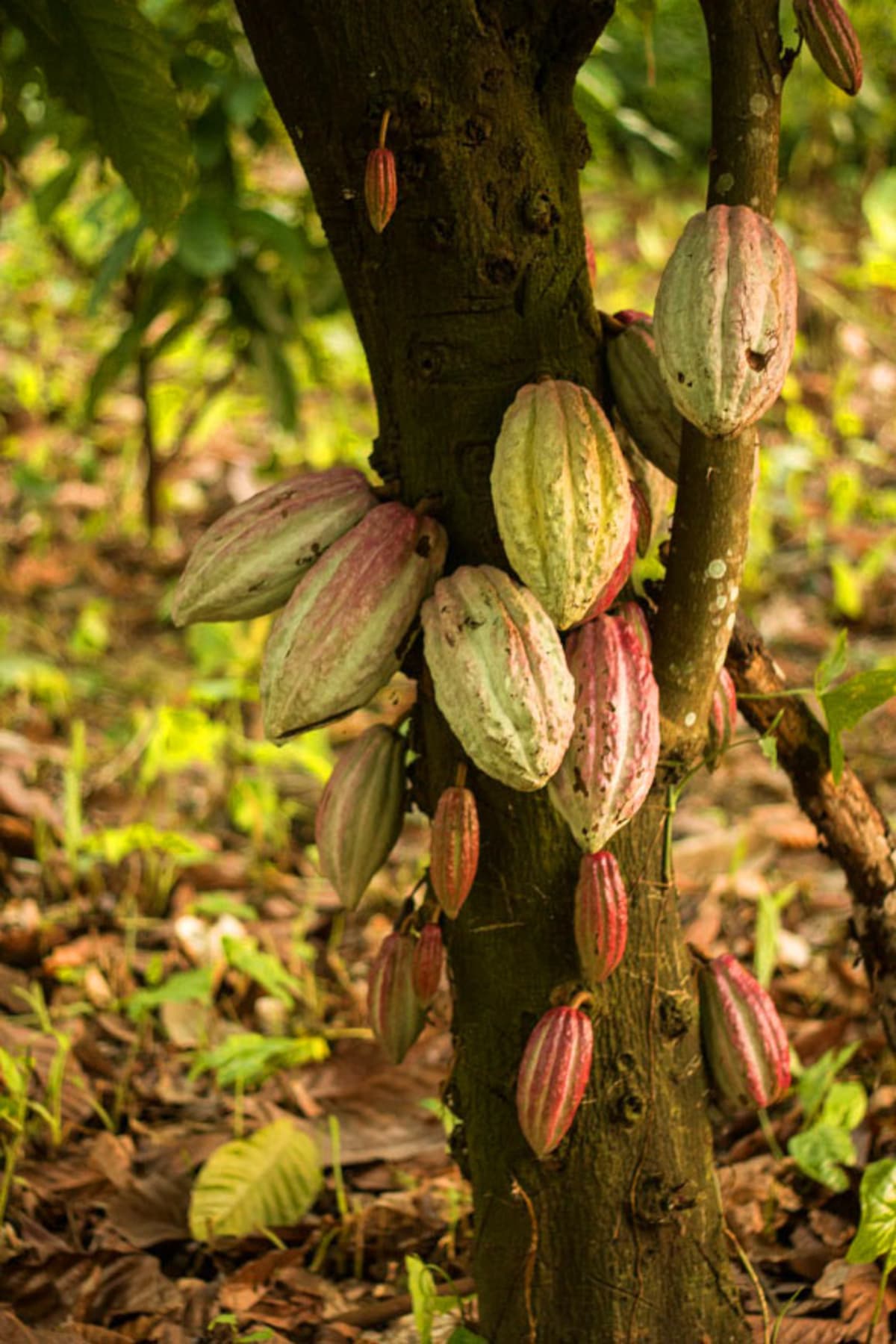
Scientists analyzing cacao trees across Peru just identified four entirely new genetic lineages of the plant that gives us chocolate. The discovery came from studying 390 wild and semi-wild trees on indigenous farms spanning eight regions, from Amazonian lowlands to Andean foothills.
Dr. Lambert Motilal and his team from the University of the West Indies focused on the genetic signatures of these traditionally cultivated trees. Many had never been altered through selective breeding or genetic engineering, preserving their ancient diversity.
The research revealed something remarkable. Two of the four new lineages carry genetic ancestry linked to exceptional flavor potential, offering exciting possibilities for premium chocolate production.
Peru ranks as the world's eighth-largest cocoa producer, with more than 80,000 farming families depending on cacao cultivation for their livelihoods. These families have been stewarding genetic diversity without even knowing what treasures they possessed.
The study also clarified the genetic makeup of CCN 51, an increasingly important variety cultivated specifically for high yield and disease resistance. Understanding its ancestry helps growers make better decisions about which varieties to plant together.
Each region of Peru showed its own distinct genetic signature, highlighting how geography shapes the trees' DNA over time. This fine-scale variation means different areas could specialize in producing unique flavors for discerning chocolate makers.
The Ripple Effect
This discovery reaches far beyond laboratory findings. It connects subsistence farmers directly to the premium chocolate market, potentially increasing their income while preserving agricultural biodiversity.
The genetic blueprint provides conservation scientists with crucial information for protecting these irreplaceable resources. Meanwhile, chocolate makers gain access to new flavor profiles that could create entirely new products.
Indigenous farming communities have maintained these varieties for generations without recognition. Now their traditional knowledge and conservation efforts have global value, validated by science and sought by industry.
The researchers emphasized that these genetic treasures weren't hidden in research facilities. They were thriving in working farms, tended by families who could now benefit from their rarity and quality.
Peru's unique cacao diversity represents both cultural heritage and economic opportunity, preserved through generations of careful cultivation. The chocolate industry just got four new reasons to invest in the farmers who made this discovery possible.
Based on reporting by Google News - Scientists Discover
This story was written by BrightWire based on verified news reports.
Spread the positivity!
Share this good news with someone who needs it