Solar Farms Save Endangered Kit Foxes in California
California's largest solar farms have become unexpected sanctuaries for endangered San Joaquin kit foxes, with survival rates beating nearby natural areas. Smart design features turn renewable energy sites into safe havens for the tiny predators.
Two massive solar farms in Central California are doing double duty: generating clean energy while protecting one of North America's smallest and most endangered foxes.
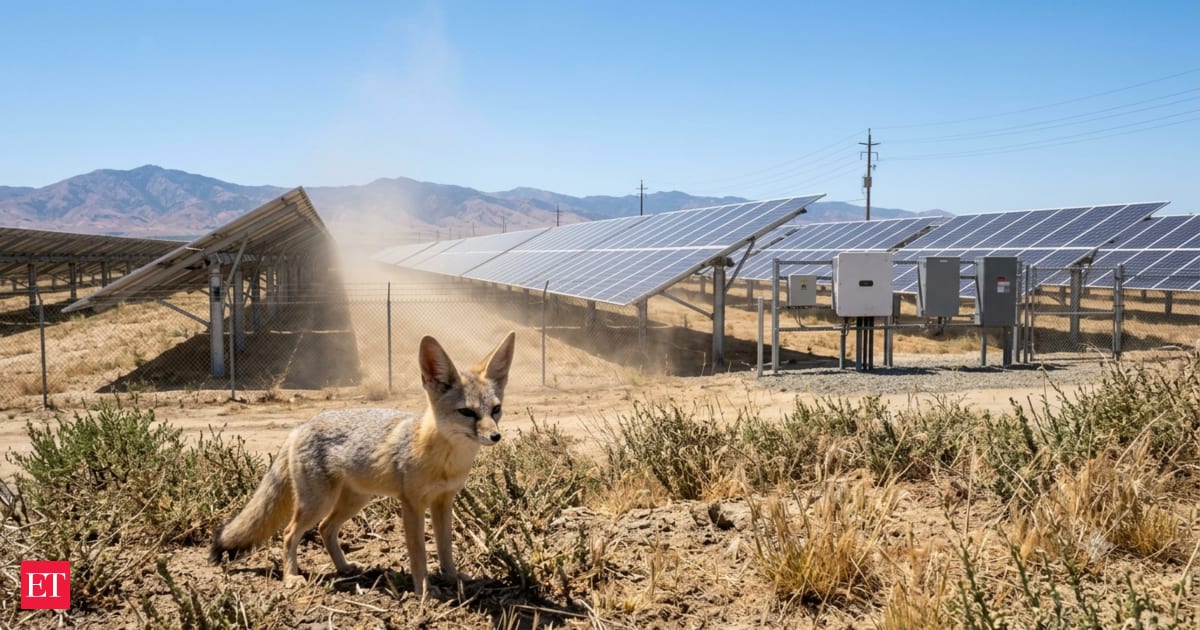
The Topaz Solar Farms and California Valley Solar Ranch have become thriving homes for the San Joaquin kit fox, a five-pound ball of tan fur with oversized ears and a black-tipped tail. Researchers studying the sites between 2014 and 2017 discovered something remarkable: these industrial energy facilities were actually safer for foxes than the surrounding natural landscape.
The secret lies in surprisingly simple design choices. Chain-link fences around the solar arrays sit 12 to 15 centimeters above the ground, creating gaps just wide enough for kit foxes to squeeze through but too narrow for deadly predators like coyotes and bobcats. At Topaz, workers added an extra rail beneath the fence to prevent larger animals from digging underneath.
The solar panels themselves provide crucial protection from golden eagles, one of the fox's most dangerous aerial hunters. Raised above the ground, the panels create shaded hiding spots where foxes can rest safely, hunt for prey, and raise their pups without constant fear from above.
The numbers tell an encouraging story. Fox survival rates inside the solar farms matched or exceeded those in nearby areas. A follow-up study from 2019 to 2022 found survival rates remained stable inside the facilities even as they declined in surrounding regions. Foxes living among the panels maintained healthy weights and reproduced at the same rates as those in undisturbed natural habitat.
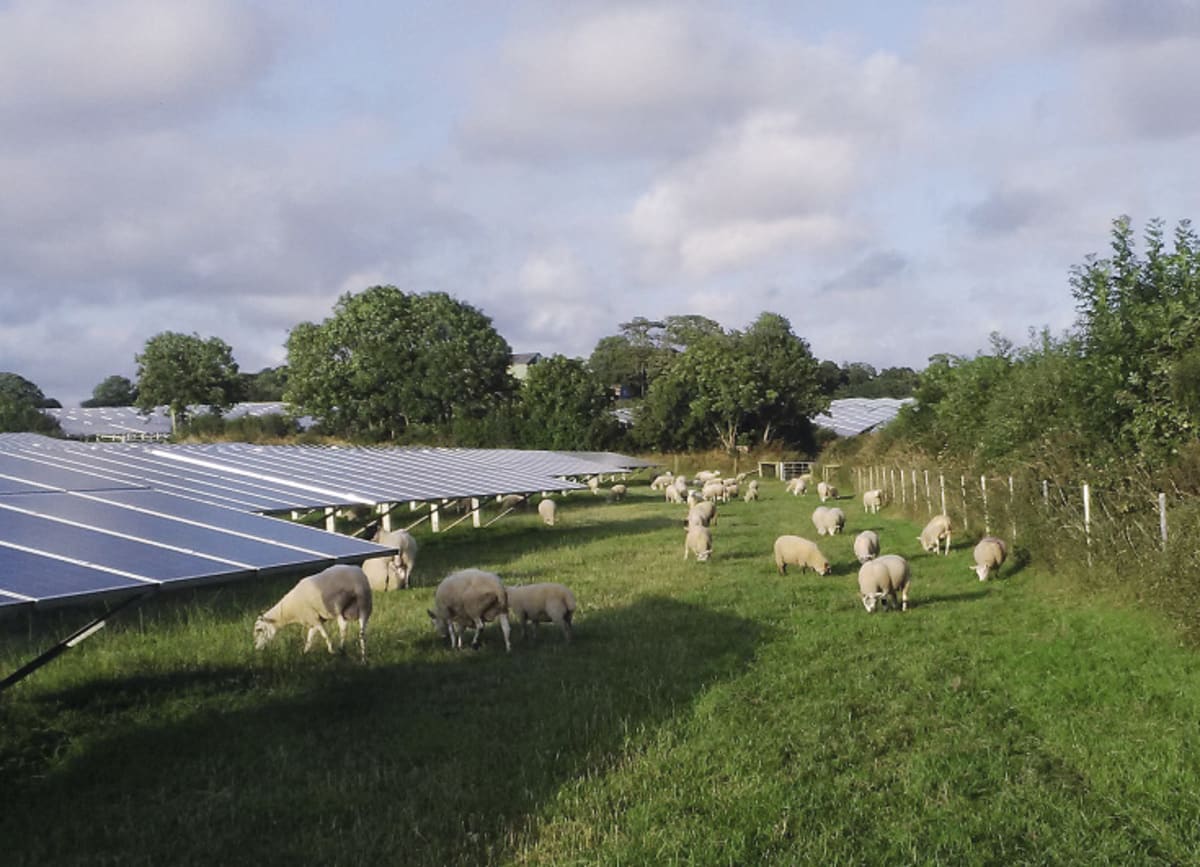
Scientists stress that success required more than just installing solar panels. The projects included movement corridors connecting habitat patches, sixteen artificial dens for shelter and breeding, and sheep grazing to control vegetation while supporting prey populations. The facilities also banned firearms and dogs while maintaining strict waste management to avoid attracting predators.
Why This Inspires
This collaboration between clean energy and conservation offers a blueprint for the future. With fewer than 4,000 San Joaquin kit foxes remaining, every safe space matters. Scientists caution that solar farms can't replace natural habitat protection, but projects built on previously disturbed land can actually improve conditions for endangered species.
The findings prove that renewable energy and wildlife conservation don't have to compete—they can be partners in protecting our planet and its most vulnerable creatures.
More Images




Based on reporting by Google News - Conservation Success
This story was written by BrightWire based on verified news reports.
Spread the positivity!
Share this good news with someone who needs it