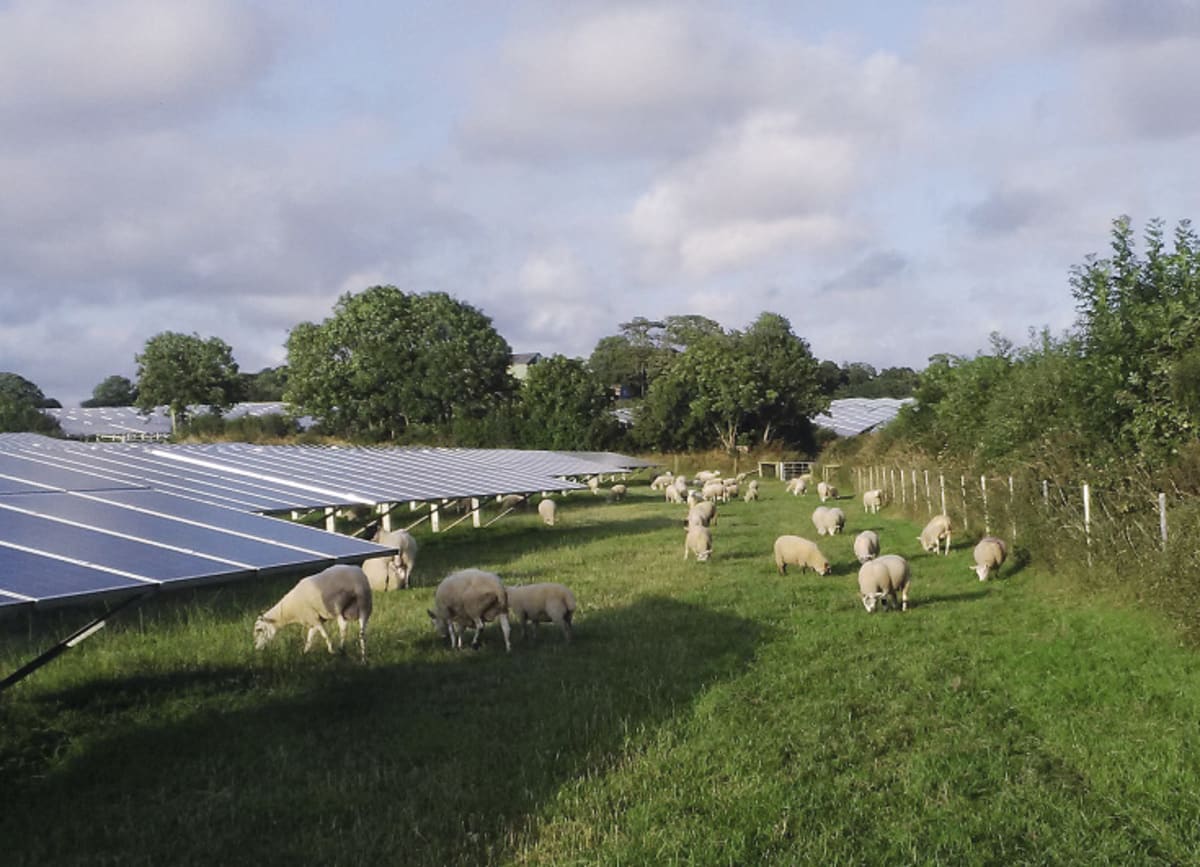
UK Slashes Solar Approval Times by One Year
Britain just cut up to 12 months from large-scale solar project approvals, removing bureaucratic hurdles that have slowed clean energy development. The change could save industry $1.3 billion while speeding up the country's renewable energy transition.
Britain is making it dramatically easier to build big solar farms, potentially saving a year of red tape for projects that could power millions of homes.
Starting July 24, the UK government scrapped mandatory consultation requirements for major solar projects in England and Wales. Developers of solar farms larger than 100 megawatts no longer need to complete lengthy pre-application consultations with communities, landowners, and local authorities before submitting their plans.
The change targets a planning bottleneck that's been holding back Britain's clean energy goals. These massive projects, which must go through a special national infrastructure process rather than local planning offices, previously faced exhausting consultation requirements that added months or even a year to approval timelines.
The government estimates this streamlining could save the renewable energy industry $1.3 billion by 2029. That's money that can now go directly into building solar capacity instead of funding endless paperwork and meetings.
Two major solar farms already received approval this month under the new system. The 150 megawatt Dean Moor Solar Farm and the 320 megawatt Peartree Hill project both secured development consent, with more decisions coming soon on projects like the massive 740 megawatt One Earth Solar Farm.
The reforms also make it harder to challenge approved projects in court. Legal appeals against infrastructure projects had skyrocketed, with 58% of approved projects now facing judicial review compared to a historical average of just 10%. Judges now have more power to quickly dismiss meritless appeals, protecting projects like the 100 megawatt Stonestreet Green Solar from lengthy legal battles.
Developers won't be left without guidance during this faster process. The Planning Inspectorate will provide earlier technical support and advice, replacing the old consultation requirements with expert help when teams need it most.
The Ripple Effect
This planning overhaul extends beyond solar to wind farms, nuclear plants, and other major infrastructure Britain needs to reach its clean energy targets. The changes signal that the country is serious about moving from climate commitments to actual construction.
The reforms also fixed another problem: England's "planning dead zone" for medium-sized solar projects. By raising thresholds, projects between 50 and 100 megawatts can now go through simpler local planning processes instead of the expensive national route.
Energy Minister Michael Shanks captured the urgency perfectly, saying Britain "cannot afford to wait years" for clean energy infrastructure approvals. With climate goals looming and energy independence becoming increasingly important, the country is betting that faster approvals will translate to faster progress on the ground.
Britain is proving that good policy doesn't have to choose between community input and climate action.
More Images


Based on reporting by PV Magazine
This story was written by BrightWire based on verified news reports.
Spread the positivity!
Share this good news with someone who needs it