Nepal's Young Birdwatchers Turn Passion Into Conservation
A generation of young Nepalese citizens is transforming from bird hunters into dedicated conservationists, filling crucial data gaps while protecting over 900 species. Their weekend hobby is becoming a powerful force for wildlife preservation in one of Asia's most biodiverse countries.
Shankar Tiwari once killed birds for fun as a child near Chitwan National Park in Nepal. Today, at 57, he's one of the country's leading birdwatching guides, helping protect the very creatures he once hunted.
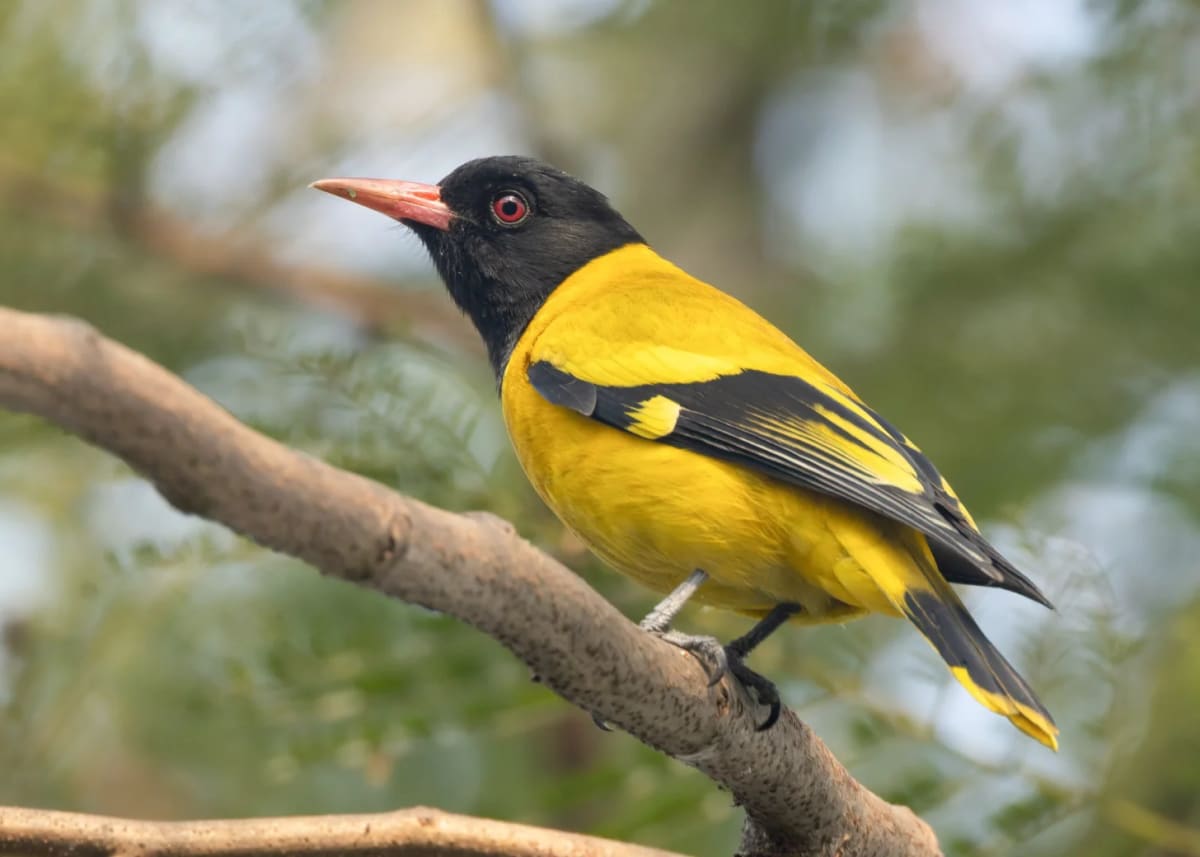
His transformation began when a hotel guest handed him binoculars and showed him a black-hooded oriole up close. The bird's brilliant yellow and black plumage, magnified through the lenses, changed everything.
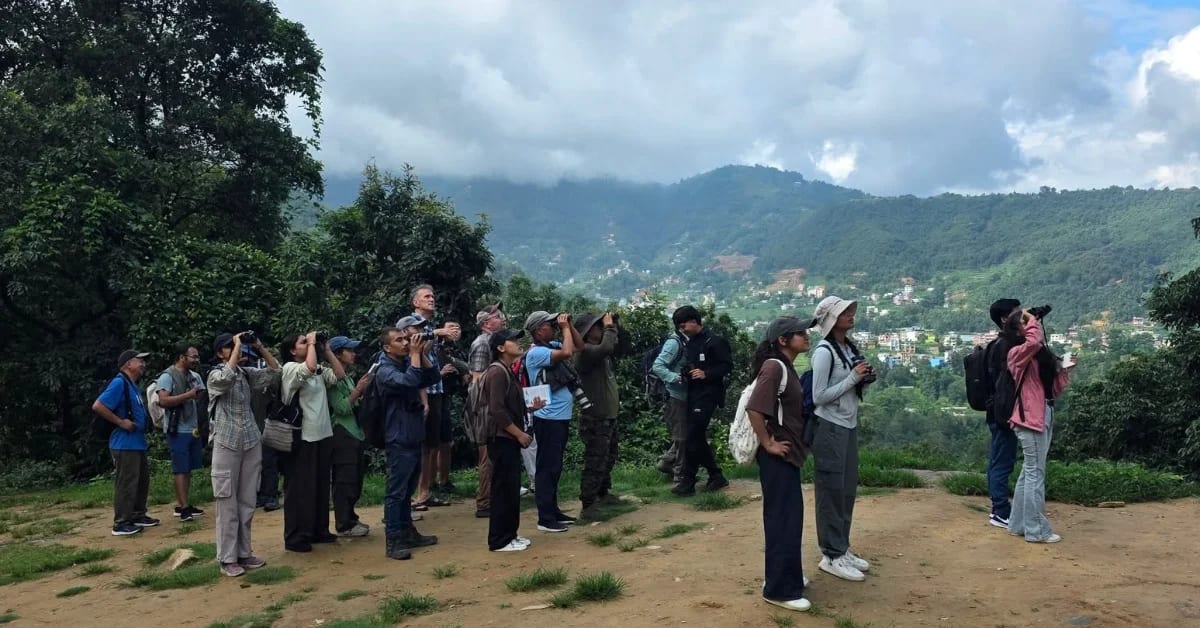
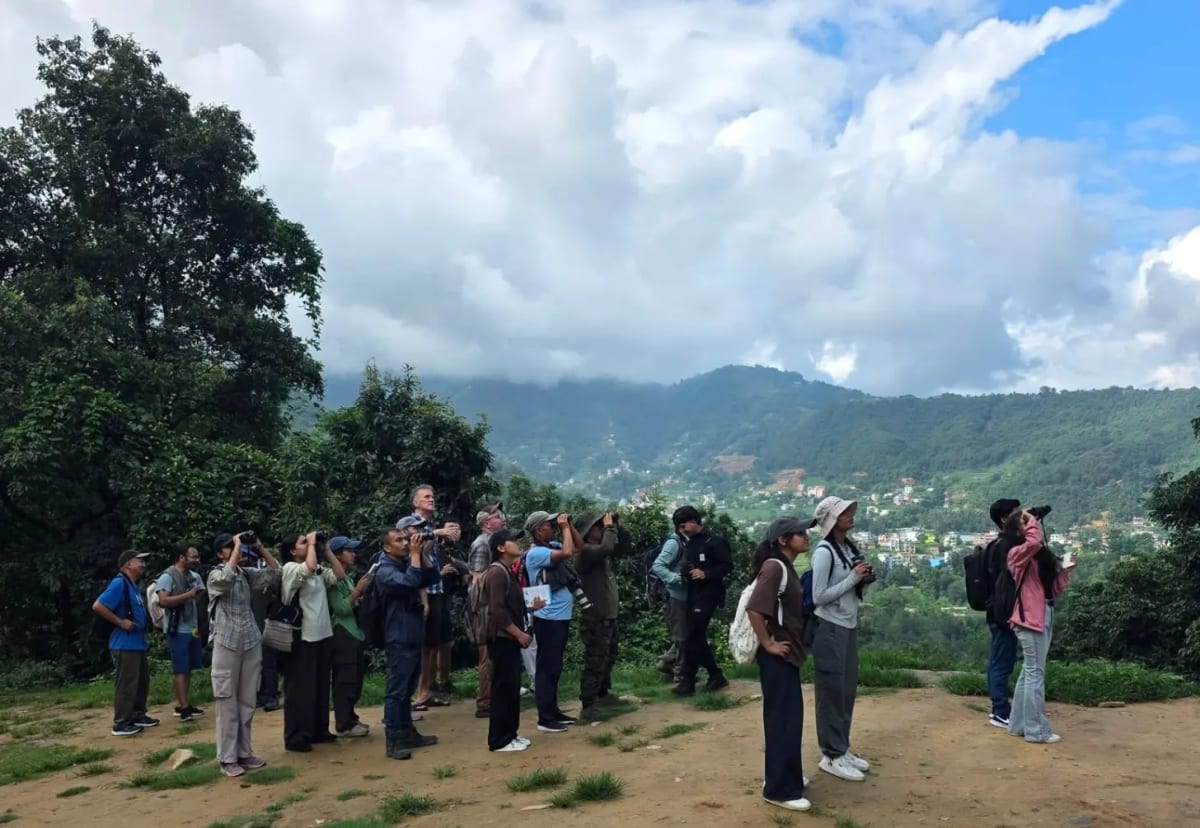
Now Tiwari leads a growing movement of young Nepalese birdwatchers who are turning their passion into real conservation wins. Nonprofits like Bird Conservation Nepal organize weekend birdwatching events in Kathmandu that draw enthusiastic crowds, many of them university students discovering the joy of spotting rare species.
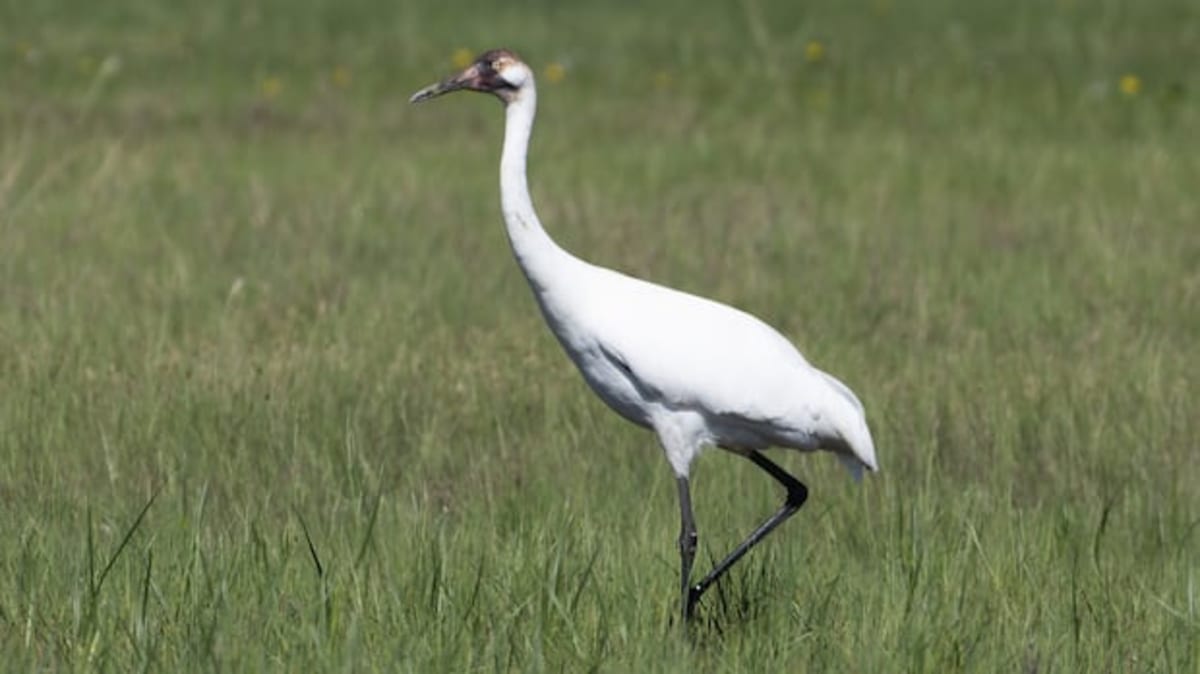
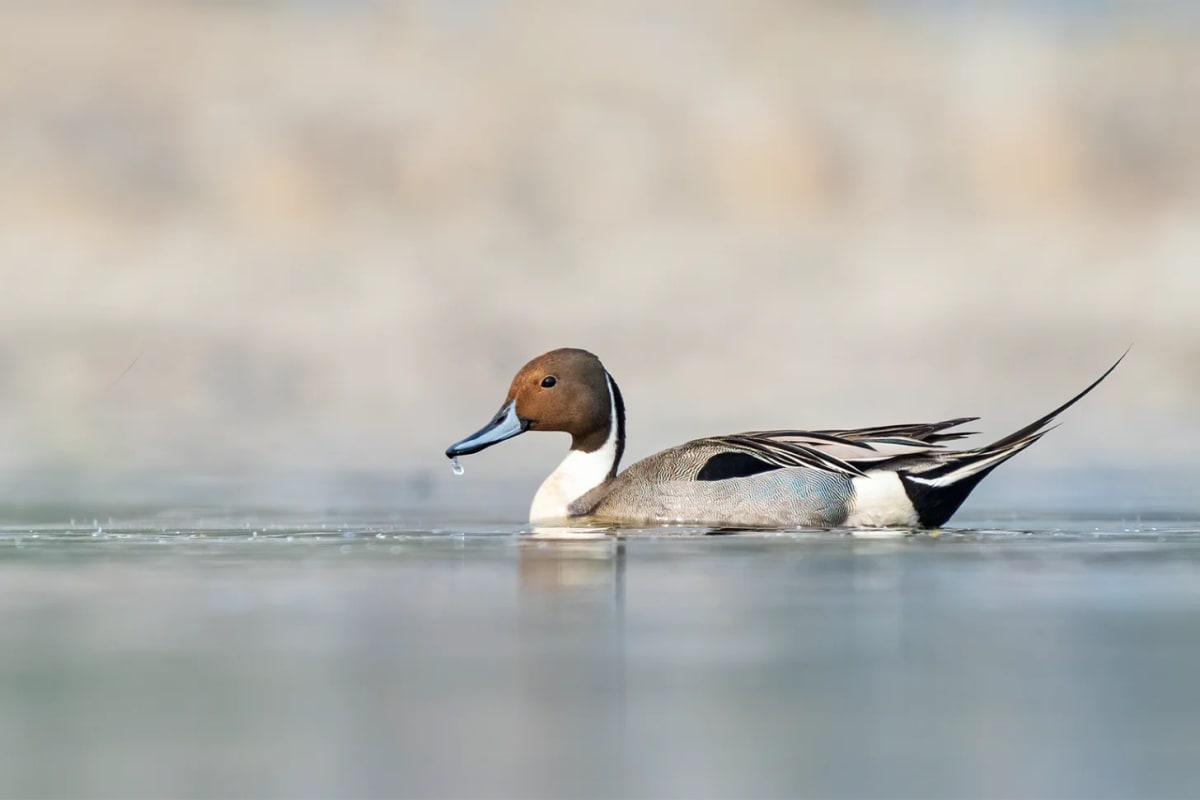
Their timing couldn't be better. Nepal is home to more than 900 bird species, including 40 that are globally threatened and the spiny babbler, found nowhere else on Earth.
A new study shows this birdwatching boom is doing more than creating a fun hobby. Young observers are filling critical data gaps about bird populations and habitats, information that conservationists desperately need as urbanization and climate change reshape Nepal's landscape.
The data these citizen scientists collect helps researchers spot troubling trends early. A recent survey along Kathmandu's Bagmati River found only 67 bird species compared to over 100 historically recorded there. Duck species at Koshi Tappu Wildlife Reserve have declined dramatically due to increased human activity.
When birdwatchers document these changes and share their observations with platforms like eBird, conservationists can advocate more effectively for habitat protection. Tiwari himself has documented 516 unique species, topping eBird's rankings for Nepal, and recently photographed three bird species for the first time in the country.
The challenge now is getting more participants to share their data. Only 37% of surveyed birdwatchers submit their records to conservation databases, while 46% keep observations private.
Researcher Hem Bahadur Katuwal says many young birdwatchers simply don't realize how valuable their sightings are. Every recorded observation, including species type, number of individuals, and location, helps scientists establish population trends and assess which birds need urgent protection.
The Ripple Effect: Beyond conservation, this birdwatching movement is boosting local economies and promoting Nepal as an ecotourism destination. With forests around Kathmandu and reserves like Chitwan and Bardiya teeming with resident and migratory birds, the country has enormous untapped potential as a birdwatching haven. Each young person picking up binoculars becomes both a guardian of wildlife and an ambassador for sustainable tourism in their communities.
The transformation from hunter to protector shows what's possible when one generation decides to see the world differently.
More Images

Based on reporting by Good Good Good
This story was written by BrightWire based on verified news reports.
Spread the positivity!
Share this good news with someone who needs it