Endangered Whooping Crane Spotted in Central Alberta
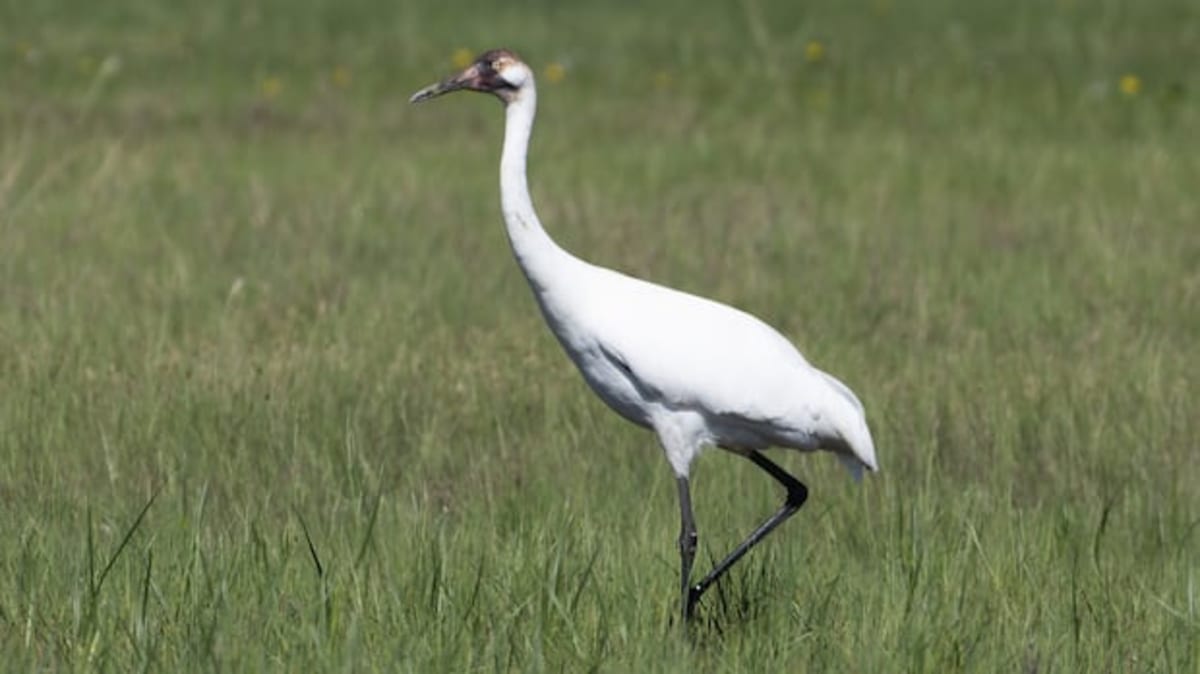
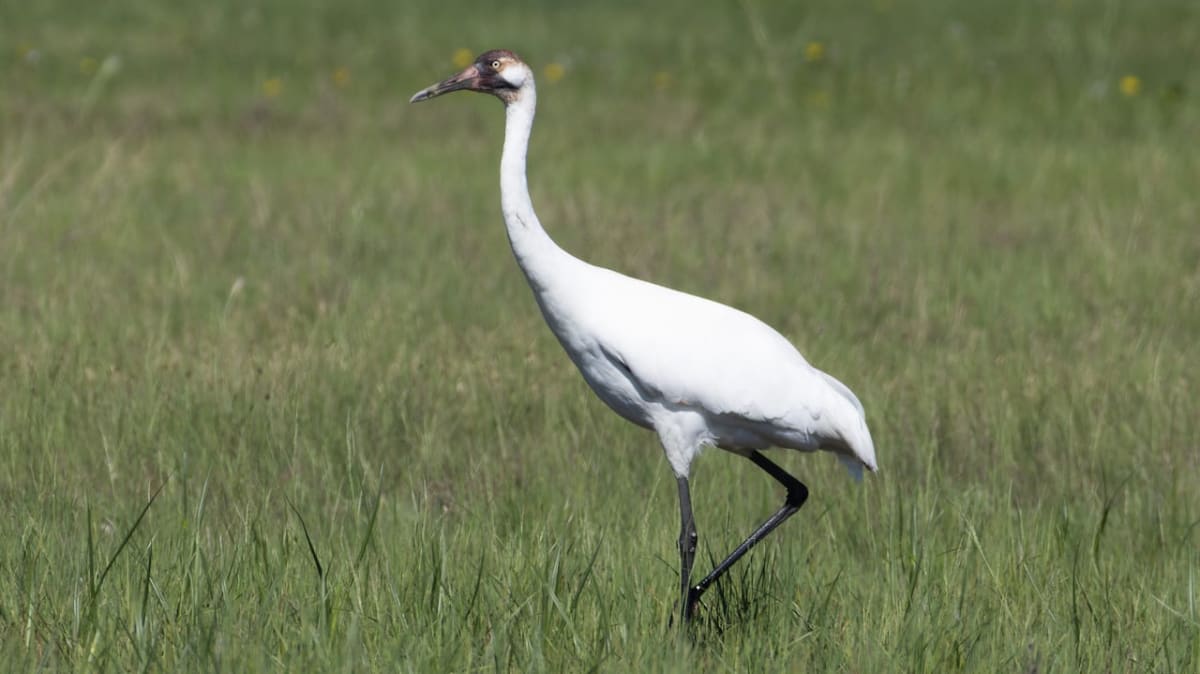
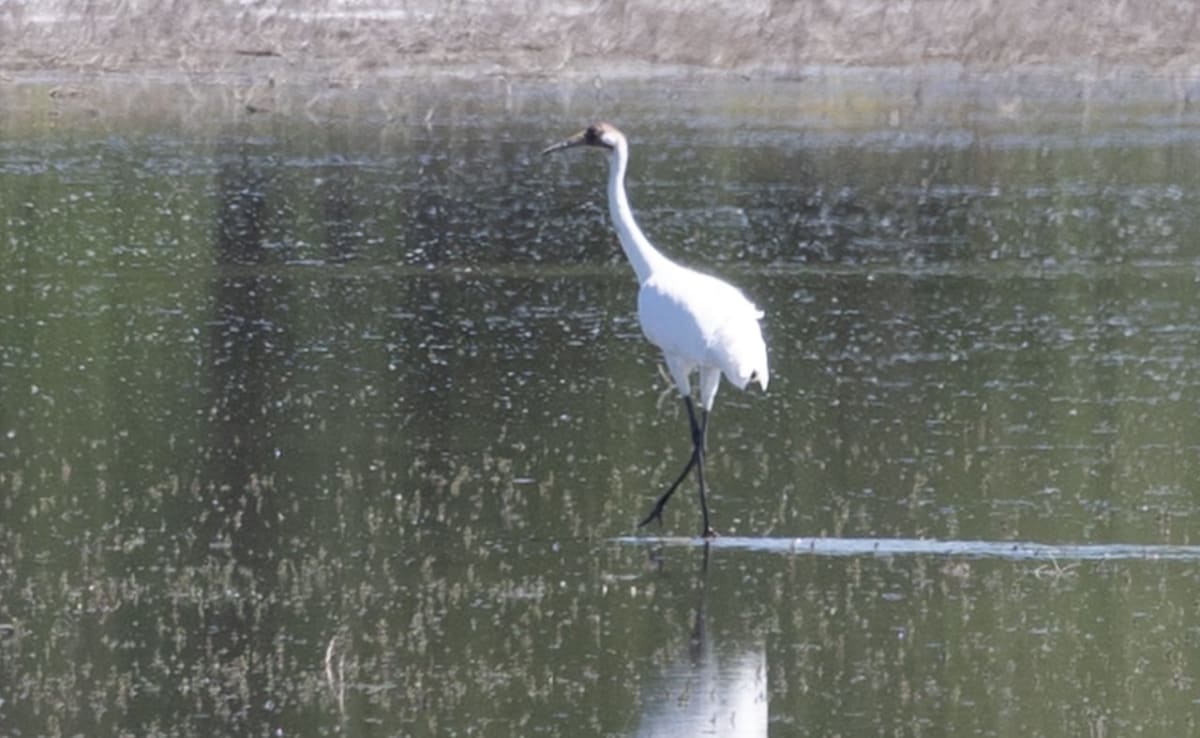
A five-foot-tall whooping crane appeared near Calgary this week, thrilling birdwatchers and marking a major milestone in one of conservation's greatest comebacks. The rare summer sighting shows how a species that nearly vanished in the 1940s is slowly reclaiming its range.
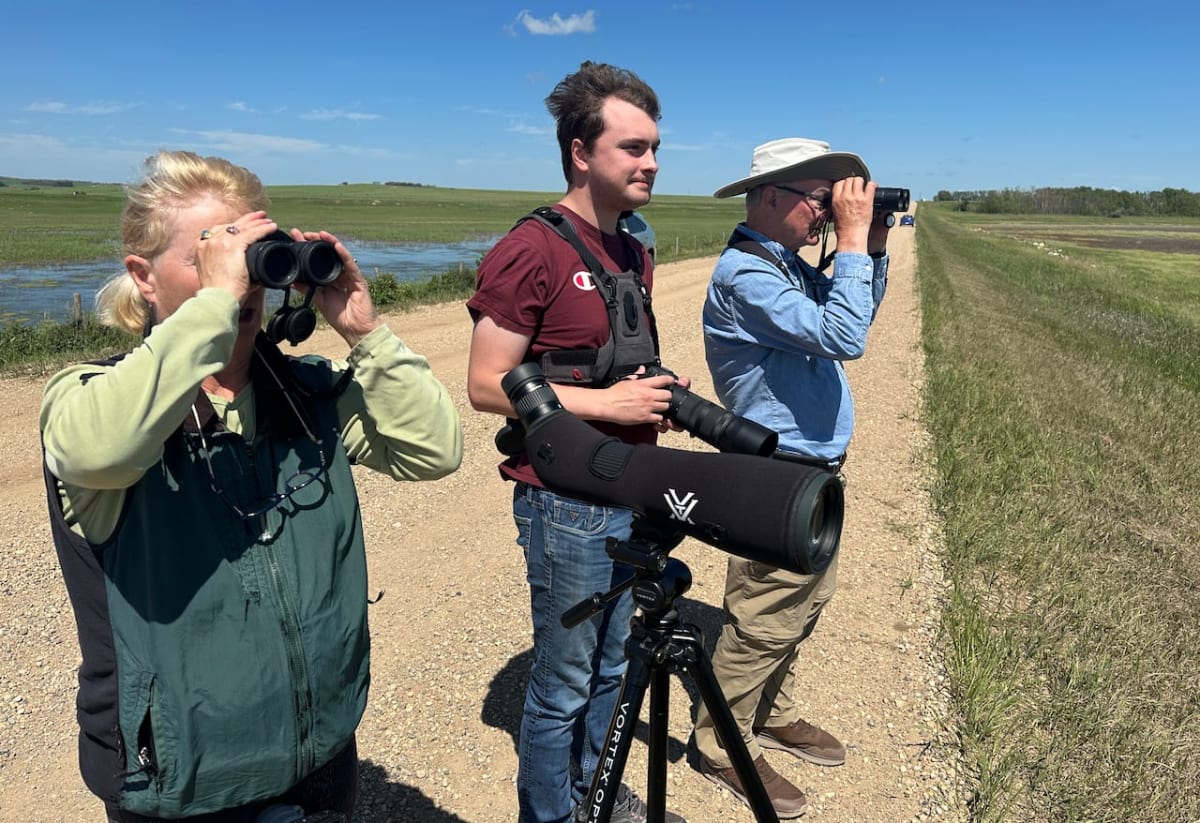
When a towering white bird with jet-black wingtips showed up on a rural Alberta road Tuesday, birdwatcher Jonah O'Brien didn't hesitate. He jumped in his car and drove an hour northeast of Calgary to witness something he'd been chasing his entire birding career: a whooping crane in the wild.
"You can't miss it," said O'Brien, who has documented over 270 bird species. "It's a mega rarity."
The sighting has local birdwatchers buzzing, and for good reason. North America's tallest bird stands five feet tall with brilliant white plumage that makes it impossible to overlook. At this time of year, the only wild whooping crane flock should be nearly 1,000 kilometres north in Wood Buffalo National Park, where about 550 birds spend their summers raising young.
This wandering crane is what birders call a "vagrant," a bird that strays outside its normal range. The fact that it's here at all tells a bigger story.
In the 1940s, only about 20 whooping cranes remained in the wild. Hunting and habitat loss had pushed them to the edge of extinction. But strict legal protections, careful habitat preservation and intensive captive breeding programs brought them back from the brink.
"The more individuals there are, the more likely it is for one to stray a little bit," said Gavin McKinnon, co-author of A Field Guide to the Birds of Alberta. He was among the first to spot the crane and calls it a "conservation success story."
Why This Inspires
This single crane represents decades of dedicated conservation work by scientists, volunteers and governments working together. Every whooping crane alive today is a testament to what's possible when we refuse to give up on a species.
The bird is likely a young crane taking a gap year before breeding, McKinnon explains. Similar sightings have popped up across southern Alberta in recent years, suggesting the recovering population is exploring new territory. Some wanderers eventually make their way to Wood Buffalo and join the breeding flock.
While whooping cranes remain officially endangered in both Canada and the United States, their numbers continue climbing. The species has grown from 20 individuals to over 550 in the wild flock alone.
McKinnon encourages curious visitors to respect the bird's space and watch from a distance. "If it appears stressed, back up, give it some space," he said.
For now, this magnificent crane is simply enjoying an Alberta summer, finding food and preparing for its next journey. Where it goes next, nobody knows, but its very presence here signals hope taking flight.
More Images

Based on reporting by Google News - Conservation Success
This story was written by BrightWire based on verified news reports.
Spread the positivity!
Share this good news with someone who needs it