Wales Reserve Reconnects 60 Years of Fragmented Wildlife Habitat
A Welsh bird charity just reunited two separated nature reserves for the first time in six decades, creating a connected home for endangered birds and rare Celtic rainforest. The purchase fills a vital missing link between habitats that house some of Britain's rarest wildlife.
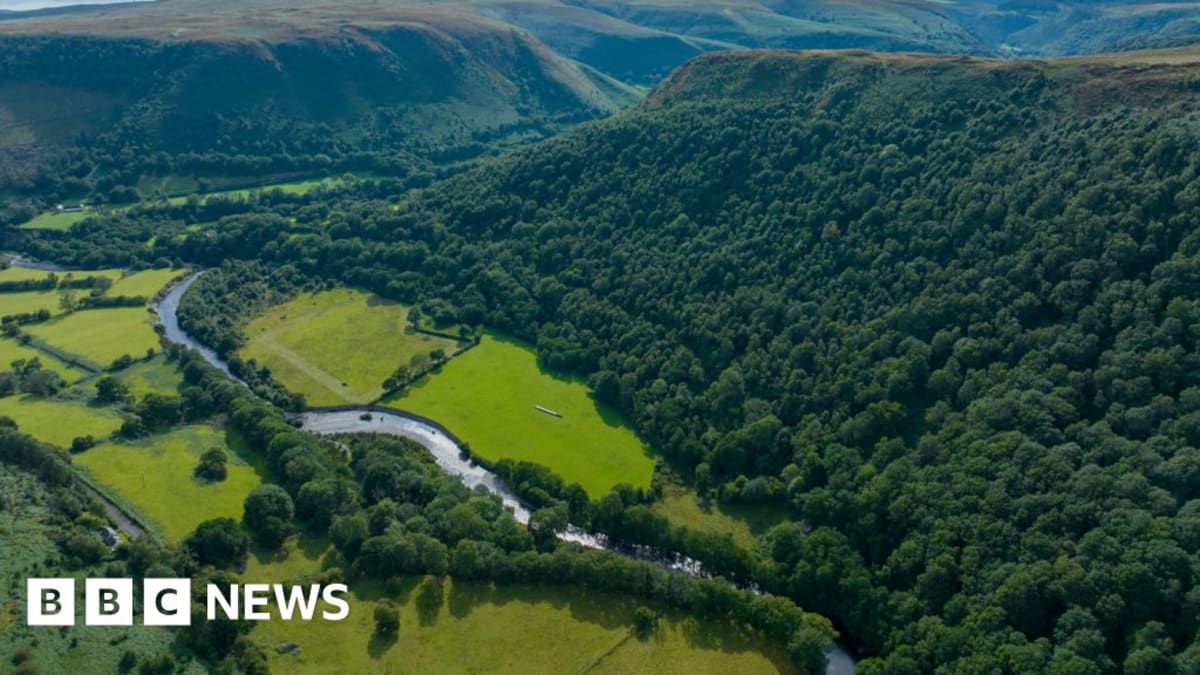
For 60 years, rare birds and endangered wildlife in Wales have been stuck living in disconnected pockets of habitat, unable to move freely across the landscape they call home. That changed when RSPB bought a 96-hectare piece of land that finally bridges two separated parts of its Gwenffrwd-Dinas nature reserve in Carmarthenshire.
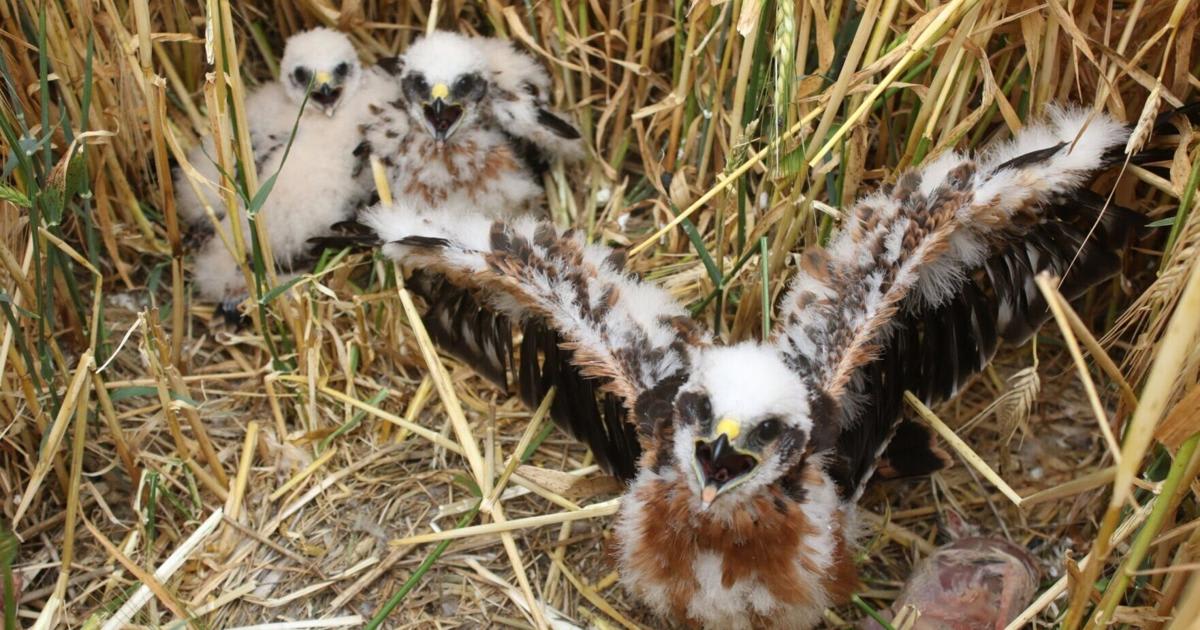
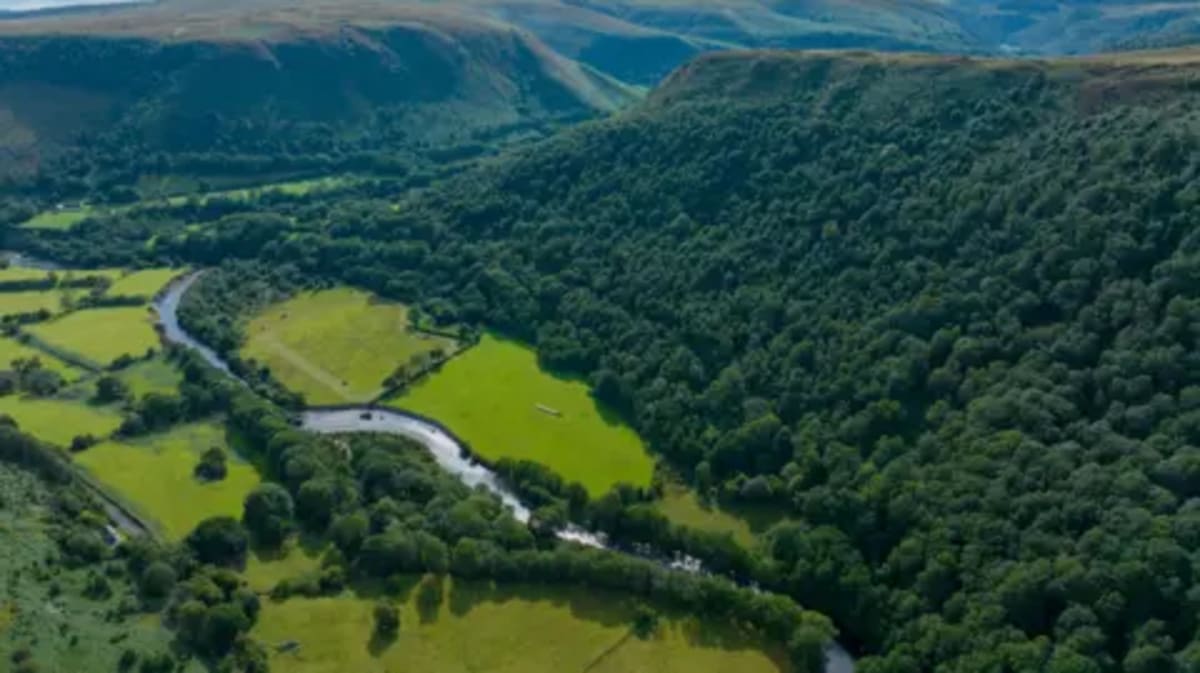
The newly purchased Gallt-y-bere area sits along the River Tywi and acts as the missing puzzle piece conservationists have been waiting for. Now pied flycatchers, endangered hen harriers, cuckoos, and pine martens can travel freely between ancient oak woodlands, peat bogs, and upland areas without running into barriers.
What makes this land special goes beyond just its size. The area protects internationally important Celtic rainforests, those rare Atlantic oak woodlands that only exist in specific coastal regions of Britain and Ireland. These ancient ecosystems support unique combinations of mosses, lichens, and wildlife found nowhere else on Earth.
Site manager Jonathan Cryer calls Gallt-y-bere a "truly magical place" and sees enormous potential in the reunion. The expanded reserve is now large enough to support breeding hen harriers, a red-listed bird occasionally spotted in the area but not attempting to breed in recent years.
The Ripple Effect
Reconnecting fragmented habitats creates a domino effect of benefits that ripple through entire ecosystems. When wildlife can move freely between areas, populations become more genetically diverse and resilient to disease and climate changes. Birds like the pied flycatcher, which spend summers in Welsh oak woodlands, will have more territory to raise their young and find food.
The purchase also opens doors for collaboration between conservation and agriculture. RSPB plans to work with local farming tenants to show how nature recovery and sustainable farming can coexist across the landscape, potentially creating a model for other rural areas facing similar challenges.
Thousands of individual donors responded to RSPB's fundraising appeal to make the purchase possible, alongside a philanthropic loan. Their support means upcoming summer surveys can map out exactly which rare plants and animals call this newly protected land home, including species like whorled caraway and wood bitter-vetch.
RSPB has worked in this region for over a century, starting with efforts to protect red kites and gradually acquiring land to safeguard vulnerable habitats. Each addition strengthens Wales' ability to protect its natural heritage for future generations while giving its rarest wildlife the connected, thriving home they need to survive.
More Images

Based on reporting by BBC Science
This story was written by BrightWire based on verified news reports.
Spread the positivity!
Share this good news with someone who needs it