NSW Plant Hides 100 Years, Now Gets Its Own Name
A bright pink flowering shrub in northeastern Australia fooled botanists for over a century. Now scientists have given it proper recognition and a fighting chance at survival.
For more than 100 years, a stunning pink flowering shrub grew quietly in northeastern New South Wales, mistaken for something it was not. Scientists at the University of New England just corrected that century-old case of mistaken identity, and the discovery could save a species from disappearing.
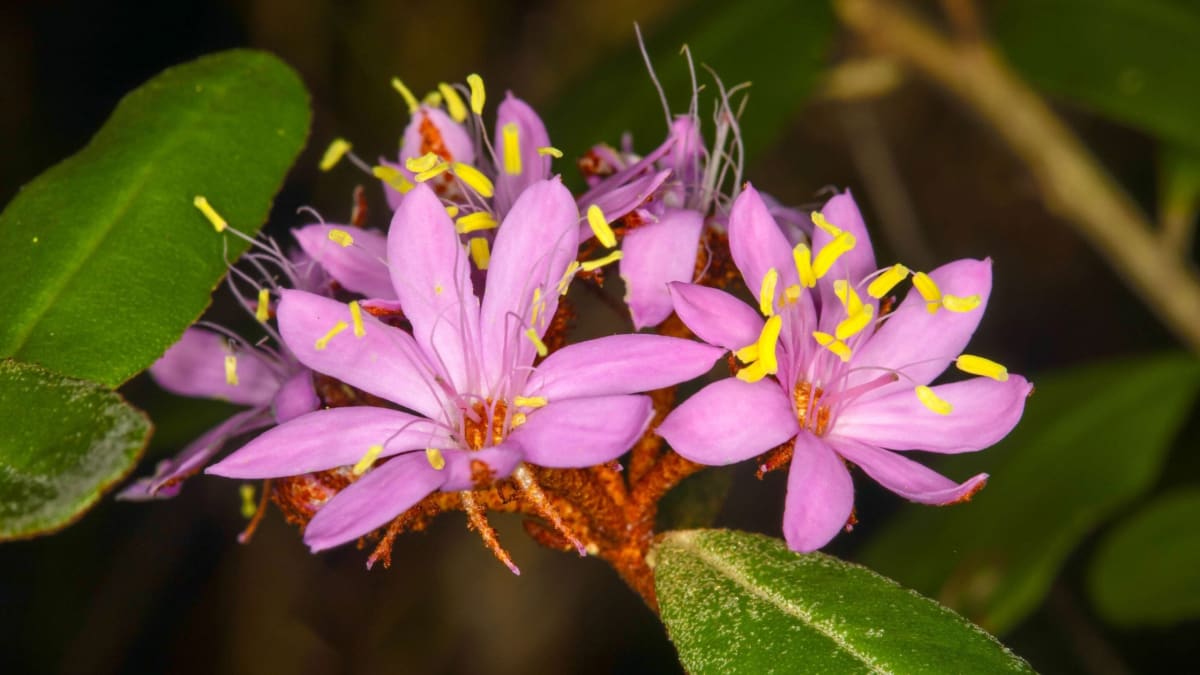
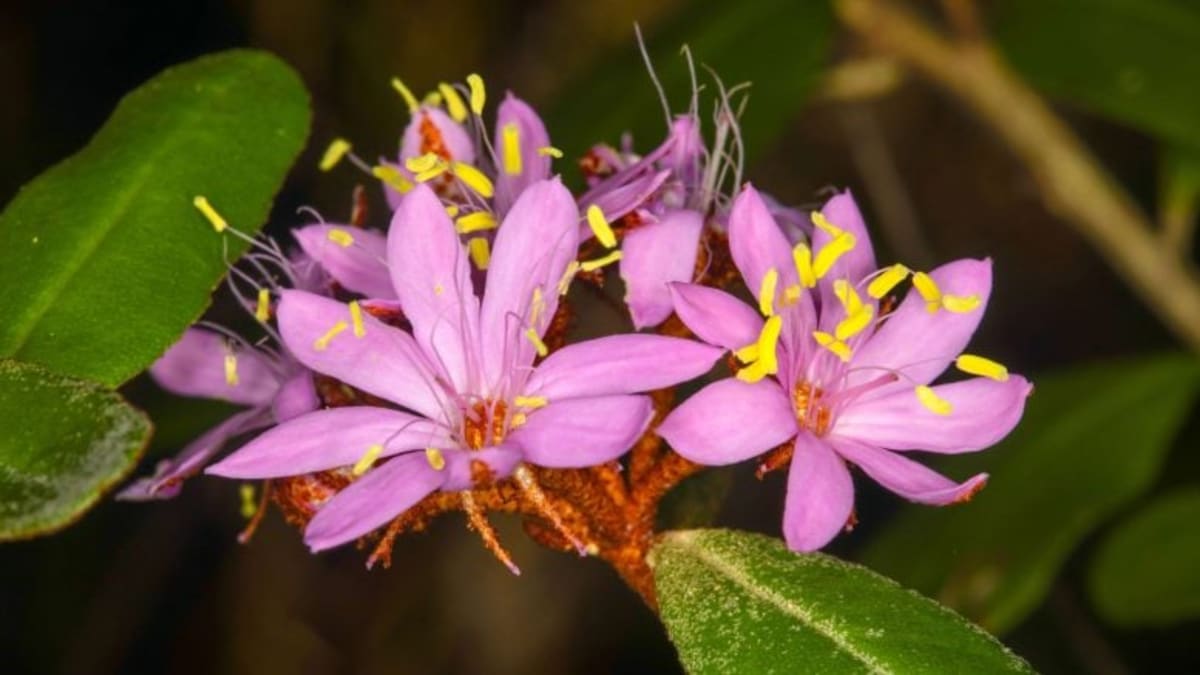
The plant now known as Phebalium banyabba was hiding in plain sight all along. Botanists thought it belonged to a familiar species, but when rare plant expert Paul Sheringham collected a specimen north of Grafton, something felt off to the team at the UNE Herbarium.
Professor Jeremy Bruhl and Dr. Ian Telford took a closer look. The plant had densely hairy flower parts with distinctive star-shaped hairs, larger seeds, and unique features that set it apart from its relatives. DNA testing confirmed their suspicions: this was not just a variant but an entirely separate species.
The discovery matters for more than scientific records. When a rare plant gets mistaken for a common one, conservationists cannot protect what they cannot properly identify. The team had uncovered a species that needed urgent attention.
Fieldwork revealed just how urgent. Sheringham and the UNE team found only two populations in the wild, totaling fewer than 1,000 plants. One site had 466 individuals, the other just 502 mature plants.
The species faces serious threats. Unlike some plants that regrow from their roots after fire, Phebalium banyabba relies entirely on seeds to regenerate. Frequent fires, drought, and cattle grazing give the plants little time to mature and replenish their seed banks.
Why This Inspires
The name Phebalium banyabba honors the Bandjalang First Nations people whose land the plant calls home. That recognition connects modern conservation to Indigenous knowledge and stewardship of the region.
Formal scientific publication makes the species visible to conservation law. The plant now qualifies for listing as a Threatened Species under NSW legislation, opening doors for legal protection and funding.
Conservation work has already begun. Bruhl and horticultural staff at the Australian National Botanic Gardens have successfully grown the plant in cultivation. They plan to introduce it to the horticultural trade, which could reduce illegal collection from wild populations by making the plant legally available to gardeners.
The discovery may be just the beginning. The UNE Herbarium is now conducting a broader review of related species, and more hidden plants may be waiting for their moment of recognition.
Sometimes the most important discoveries are the ones that have been right in front of us all along.
More Images
Based on reporting by Google News - Scientists Discover
This story was written by BrightWire based on verified news reports.
Spread the positivity!
Share this good news with someone who needs it