Irish Wind Farm Saves Endangered Butterfly with Smart Grazing
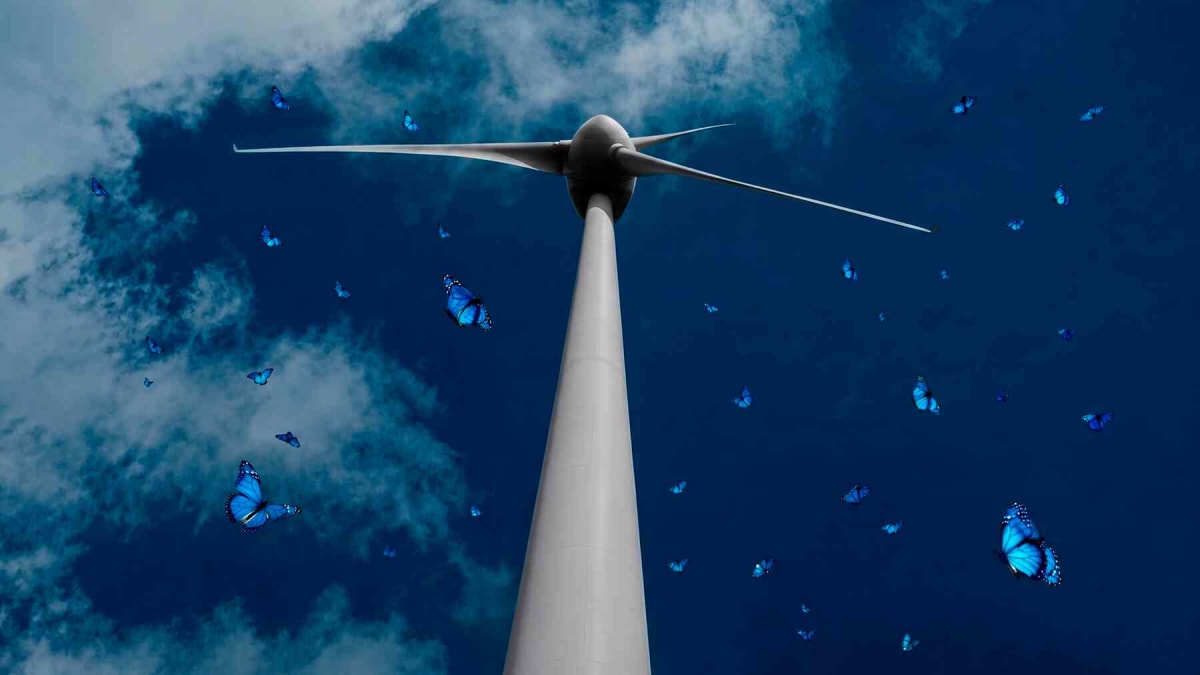
A wind farm in Northern Ireland became an unexpected sanctuary for Ireland's only legally protected insect. Simple cattle grazing rules boosted the endangered marsh fritillary butterfly population by 300% in just two years.
While environmentalists debate bird strikes at wind turbines, something remarkable is happening on the ground at an Irish wind farm that nobody expected.
The Teiges Mountain Wind Farm in County Fermanagh, Northern Ireland, has become a fortress for the marsh fritillary butterfly. This fragile species is listed as vulnerable to extinction and is Ireland's only insect protected by law.
The secret wasn't high-tech monitoring or expensive conservation equipment. It was grass height.
Energia Group, which operates the farm, implemented strict cattle grazing strategies from the early days. The goal was keeping vegetation at ideal levels for local wildlife, walking a delicate line between under and over-grazing.
The marsh fritillary once thrived in 58 locations across the region. Today, it survives in only eight places, making every remaining habitat precious.
In May 2024, researchers conducted a comprehensive wildlife count at the site. They discovered nearly 1,000 marsh fritillary breeding webs in the managed grassland, a stunning 300% increase since 2022.
The wind farm now hosts one of the highest colony counts for the species in the entire region. What began as an industrial power plant transformed into a functioning nature reserve, proving clean energy and wildlife conservation can share the same footprint.
The Bright Side
The Teiges project supports 14 of the 17 United Nations Sustainable Development Goals. The company partnered with the All-Ireland Pollinator Plan and Trinity College on broader conservation efforts including rewetting peatlands, planting native hedgerows, and building bird boxes.
This success shows how thoughtful land management can turn renewable energy sites into dual-purpose spaces. While turbines spin overhead generating clean electricity, carefully maintained ground vegetation provides critical habitat for species hanging on by a thread.
The marsh fritillary isn't flashy or charismatic like eagles or pandas. It's a small butterfly that most people would overlook, yet it received the protection it desperately needed from an unexpected source.
This wind farm proves that green energy doesn't have to harm nature to help the planet. Sometimes the solution is as simple as paying attention to what's happening at ground level while we focus on the sky.
How many other renewable energy sites could become wildlife sanctuaries with similar thoughtful management?
Based on reporting by Google News - Wind Energy
This story was written by BrightWire based on verified news reports.
Spread the positivity!
Share this good news with someone who needs it