Nissan's $13.5M Solar EV Could Cut Your Charging Bills
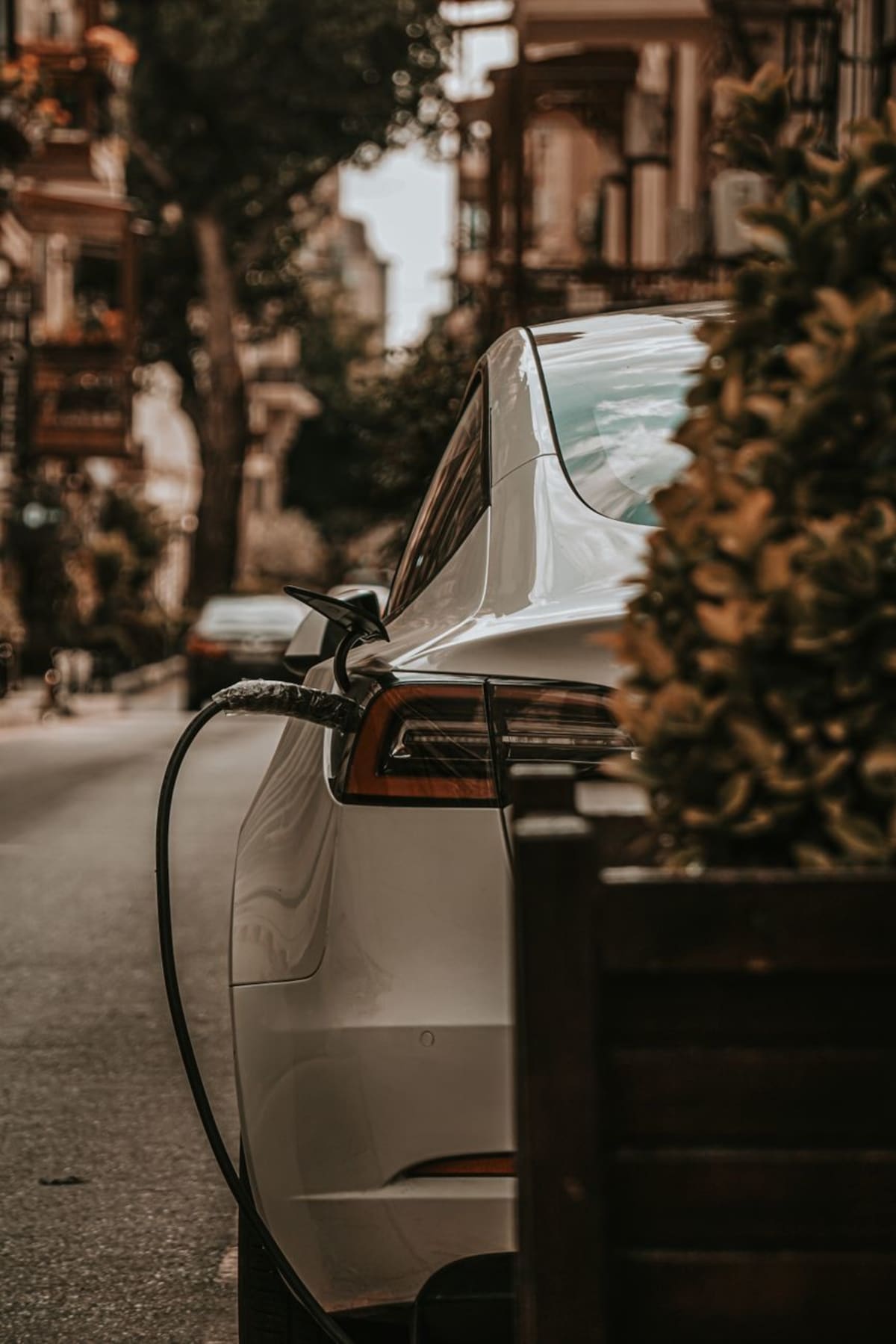
Electric cars that charge themselves from sunlight while parked or driving could soon become reality. A Nissan-backed research project in the UK is working to integrate ultra-efficient solar panels, smart AI charging, and grid-sharing technology into future EVs.
Imagine never having to stop at a charging station for your daily commute because your car powered itself from sunshine while sitting in the parking lot.
That's the vision behind Project Suite, a three-year research program led by Nissan in the UK. The $13.5 million initiative aims to transform electric vehicles from simple battery-powered cars into smart energy systems that generate their own power.
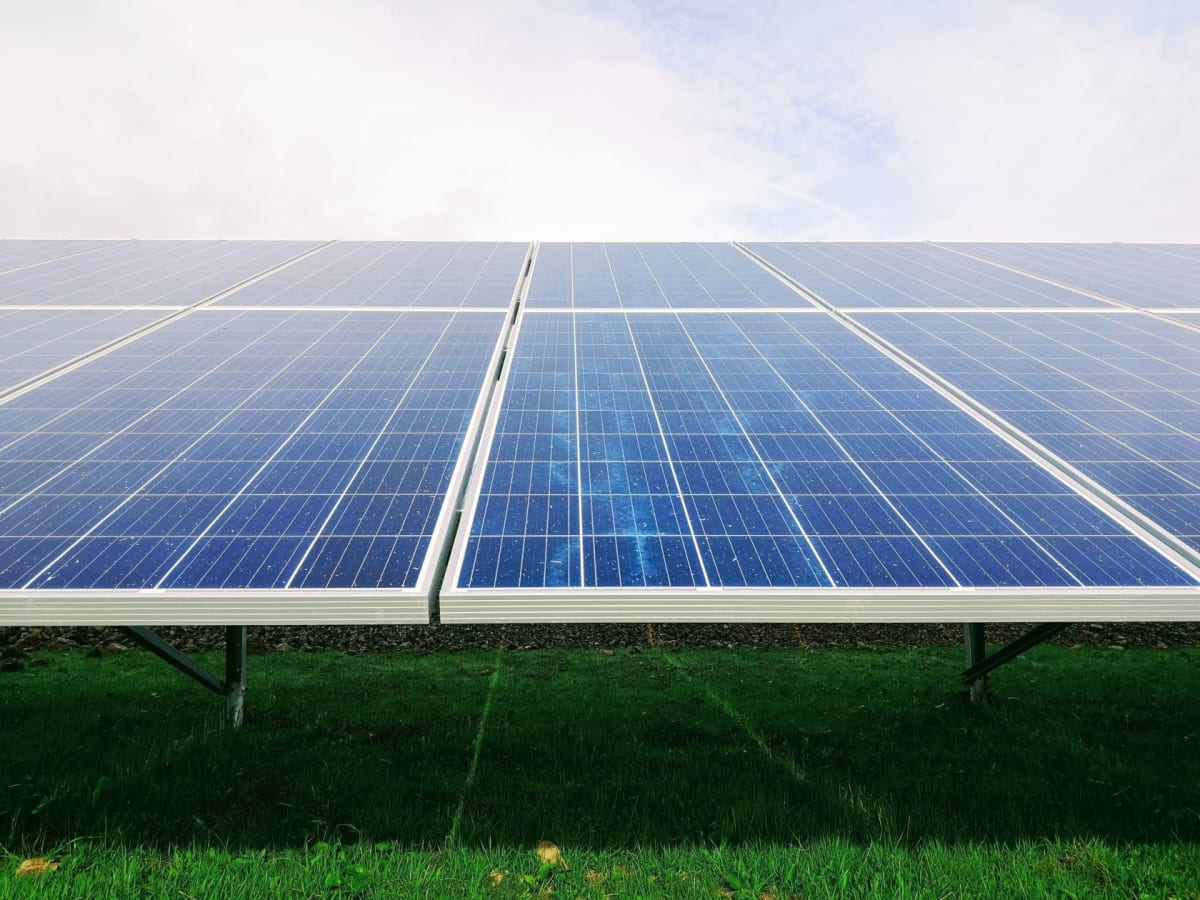
The project brings together Nissan engineers, government researchers, and Oxford PV, a company developing next-generation solar panels. These aren't your typical rooftop panels. Oxford PV's perovskite-on-silicon technology captures significantly more energy from the same amount of space, which matters when you only have a car roof to work with.
The research focuses on three breakthroughs working together. First, the advanced solar panels would be built directly into the vehicle's body and roof. Second, artificial intelligence would manage when to charge, store, or share electricity based on when power is cheapest and cleanest. Third, the cars could send electricity back to the power grid during peak demand times, turning parked vehicles into mini power stations.
For drivers, the benefits could add up quickly. Electric vehicles already cost less to fuel and maintain than gas cars, with no oil changes and fewer moving parts to break down. Adding solar power means fewer trips to charging stations, especially for people who mostly make short trips around town.
The Ripple Effect
The project hints at something bigger than just topping off your battery. When thousands of solar-equipped EVs can share power with the grid during hot afternoons or cold evenings, they become part of the solution to balancing renewable energy supply and demand.
Parked cars sit idle about 95% of the time on average. If those vehicles could collect sunshine all day and feed excess power back to homes and businesses when needed, they'd transform from expensive assets gathering dust into active contributors to cleaner, more reliable electricity grids.
The UK government is supporting the research through its DRIVE35 program, which funds transportation innovations. Online response has been enthusiastic, with commenters saying they've been waiting years for automakers to take solar EVs seriously beyond gimmicky prototypes.
Not everyone is convinced the technology will be transformative. Some skeptics argue that solar panels on cars can only provide a trickle charge that won't justify the added cost. But efficiency gains in solar technology have been dramatic in recent years, and Oxford PV's advanced panels could change that calculation.
The three-year timeline means real-world results could emerge by 2027 or 2028. If successful, the technology wouldn't just benefit Nissan buyers but could spread across the industry as other manufacturers adopt similar approaches.
Your next electric vehicle might do more than get you from place to place while reducing emissions—it could help power your home and make the entire electrical grid work better for everyone.
More Images

Based on reporting by Google News - Electric Vehicle
This story was written by BrightWire based on verified news reports.
Spread the positivity!
Share this good news with someone who needs it