Battery Boom: Global Capacity Set to Power Clean Energy Future
The world is gearing up for a massive expansion in battery production that could supercharge the clean energy revolution. By 2030, global manufacturing capacity will far exceed demand, potentially driving down costs for electric vehicles and renewable energy storage.
The clean energy transition just got a major boost as global battery production capacity races ahead of projected demand.
A new report from the Carnegie Endowment for International Peace reveals that worldwide battery manufacturing will reach between 8,000 and 9,300 gigawatt hours by 2030. That's roughly double what the global market actually needs, which could mean great news for anyone hoping to buy an electric vehicle or install home solar batteries.
China is leading the charge, with production capacity expected to hit between 5,862 and 6,720 gigawatt hours. Meanwhile, wealthy nations in the OECD are ramping up their own manufacturing to reach about 1,881 gigawatt hours, with emerging markets like India and Indonesia adding another 217 gigawatt hours.
This manufacturing boom isn't just about electric cars anymore. Battery energy storage systems are becoming critical for keeping the lights on as more solar panels and wind turbines come online. Data centers powering our digital lives are also driving demand for reliable backup power.
The real winner in all this growth? Your wallet. When supply exceeds demand, prices typically fall, making clean energy technology more affordable for everyone.
The Ripple Effect
This battery revolution is sparking innovation across the globe. Western economies are developing next generation silicon anode and lithium metal batteries that could be even more efficient than today's technology.
Scientists are also making breakthroughs with sodium ion batteries, which use cheaper and more abundant materials than traditional lithium batteries. By 2035, wider adoption of these new battery types could reduce demand for scarce materials like graphite by 25.6% and cobalt by 8.7%.
The report suggests that cooperation, not competition, offers the best path forward. Joint ventures and partnerships between countries could help spread manufacturing expertise while keeping costs low and accelerating the transition away from fossil fuels.
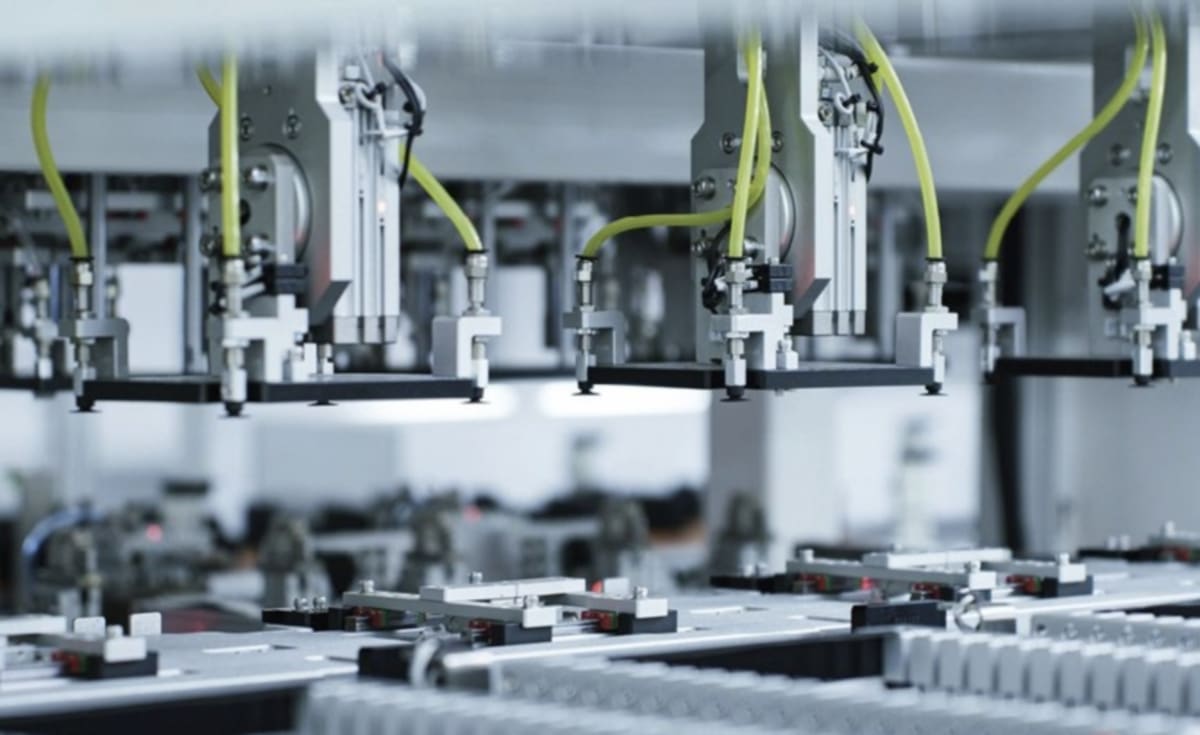
Automation and artificial intelligence are making battery factories more efficient, helping manufacturers produce more batteries with less waste. Digital twins, virtual replicas of physical factories, let engineers test improvements before implementing them on the production line.
The manufacturing expansion means more green jobs in communities around the world, from battery production facilities to renewable energy installations that rely on storage to work around the clock.
As renewable energy becomes cheaper and more reliable thanks to better batteries, more households and businesses can cut their carbon footprint while saving money on electricity bills.
More Images


Based on reporting by PV Magazine
This story was written by BrightWire based on verified news reports.
Spread the positivity!
Share this good news with someone who needs it