UK Launches New Tech to Unlock Deep Ocean Wind Power
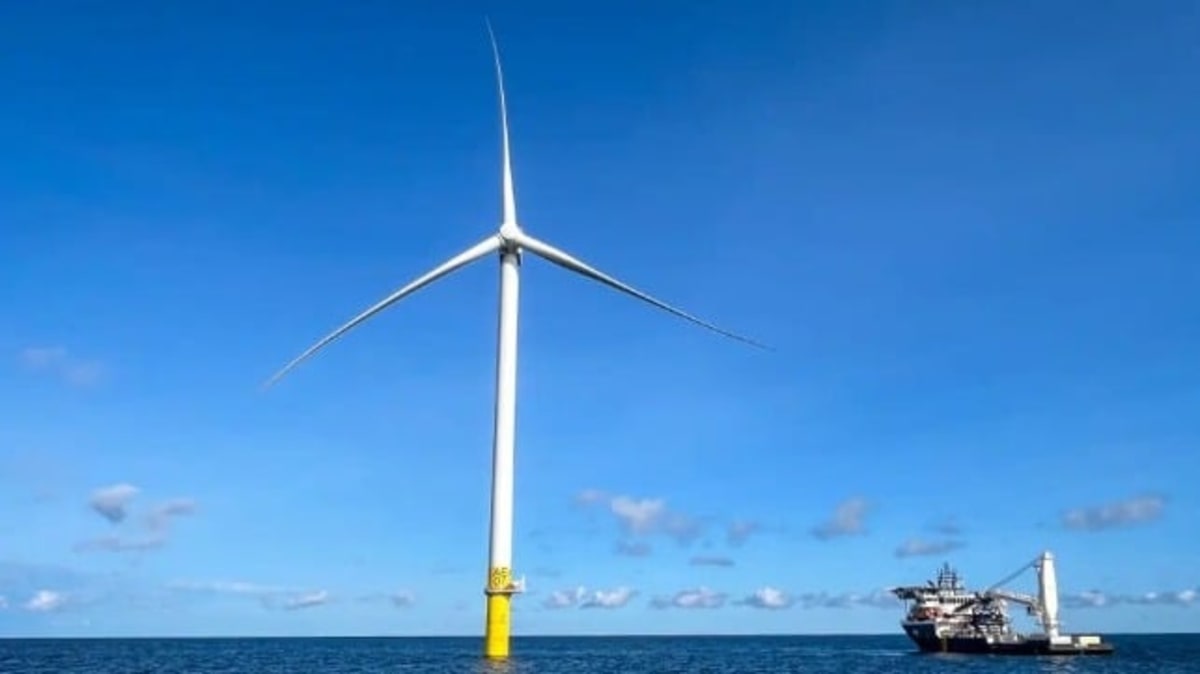
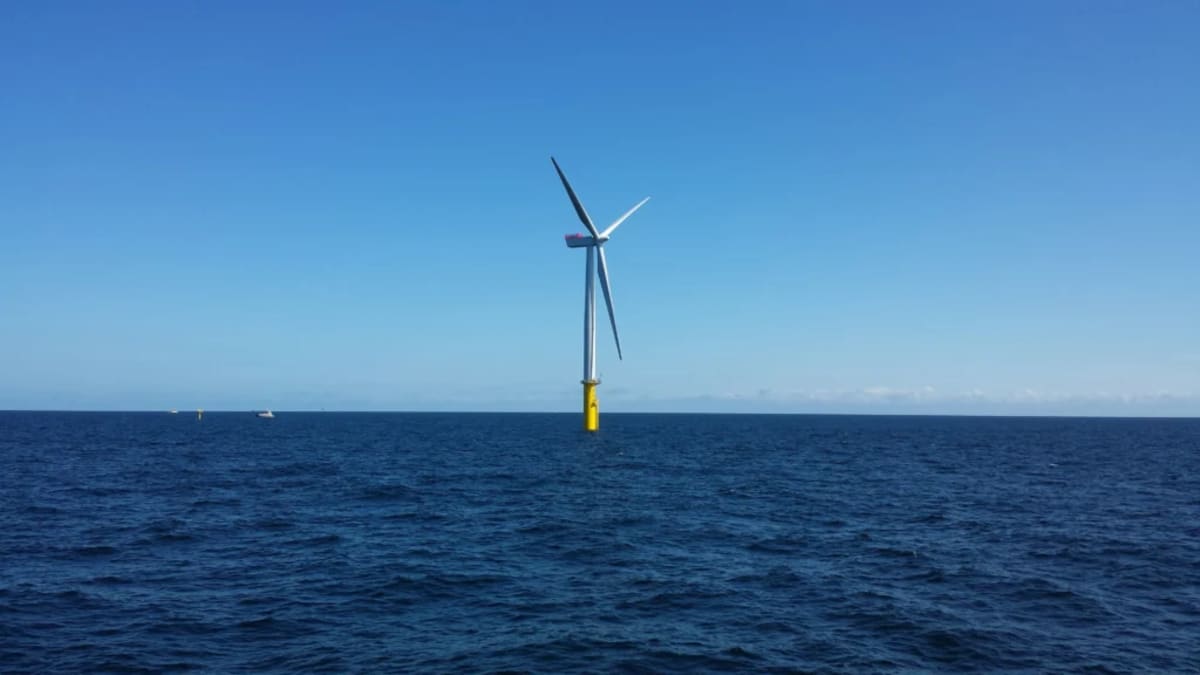
A British company just solved one of the biggest challenges in offshore wind energy: building turbines where the ocean is too deep for standard foundations but too shallow for floating platforms. The breakthrough could open vast new areas of the sea to clean energy without waiting years for floating technology to mature.
Wind turbines are about to reach parts of the ocean that were previously off-limits, thanks to a breakthrough from a new British company called Neretek.
The startup just launched BC90, a foundation system designed specifically for waters 60 to 90 meters deep. That's the awkward middle zone where traditional fixed foundations become too expensive and floating platforms aren't quite ready for widespread use.
Neretek was founded by Wood Thilsted, an engineering firm behind 13 gigawatts of offshore wind designs worldwide, and COP Frontier, which specializes in expanding offshore wind globally. Together, they created a solution that combines the simplicity of standard monopile foundations with the ability to work in much deeper water.
The timing couldn't be better. The UK just announced its Allocation Round 8, a major push to expand offshore wind into deeper waters as part of the country's renewable energy goals.
Jonathan Cole, former president of the Global Wind Energy Council, will lead Neretek as CEO. His job is to bring BC90 to markets across the UK, Europe, and Southeast Asia.
The Ripple Effect
This technology does more than just plant turbines in new locations. It opens access to areas with stronger, more consistent winds, which means more reliable clean energy generation.
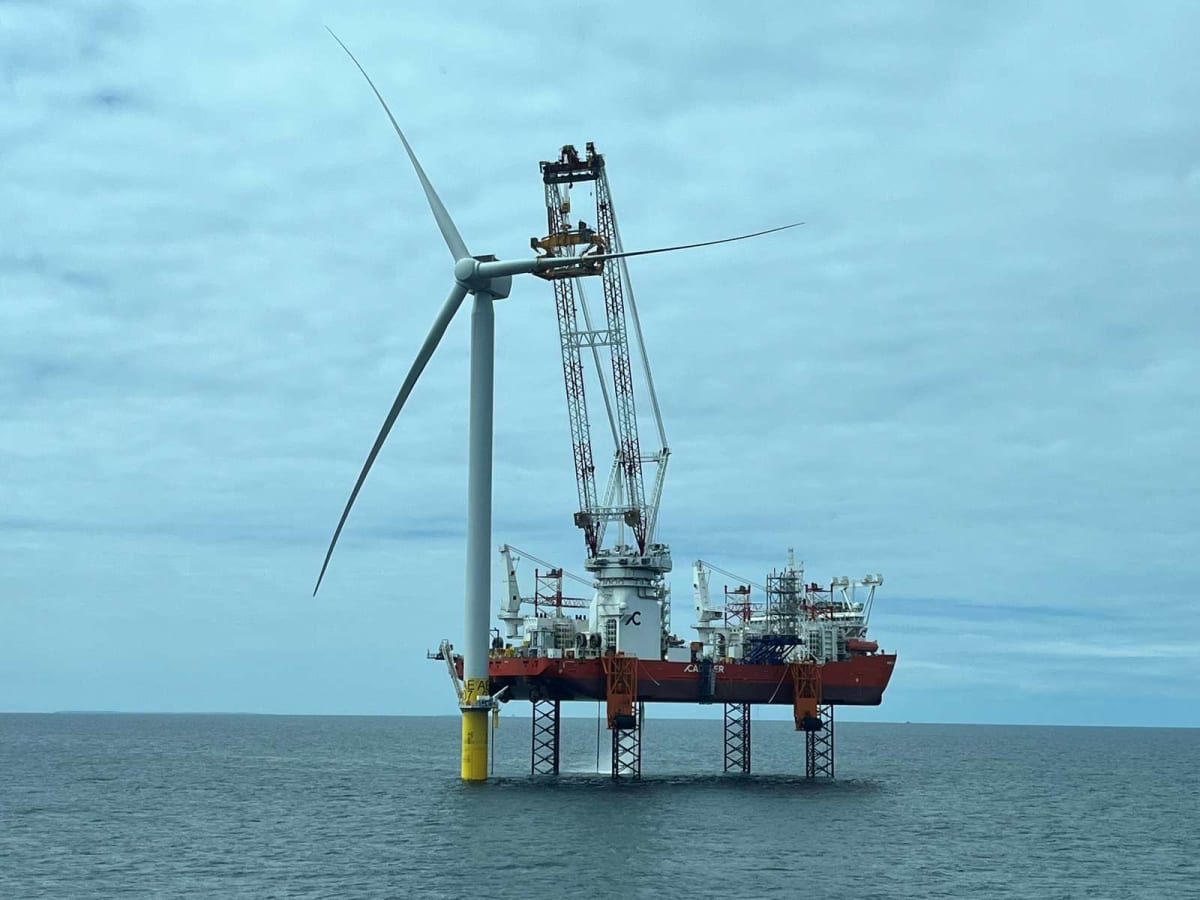
The BC90 system can be manufactured using existing port infrastructure and local supply chains. That means communities won't need massive specialized vessels or entirely new facilities, which keeps costs down and creates jobs where the infrastructure already exists.
By reducing capital expenses compared to deep-water monopiles or complex jacket foundations, BC90 makes offshore wind projects financially viable in regions that developers previously had to skip. That translates to more renewable energy projects, more investment in coastal communities, and faster progress toward climate goals.
The approach also buys time. Floating offshore wind is promising but still faces hurdles in cost and scalability. BC90 bridges that gap, letting the industry keep expanding into deeper waters now instead of waiting another decade for floating technology to fully mature.
For the UK, this represents a triple win: strengthening energy security, creating manufacturing jobs, and building renewable infrastructure at scale. Those benefits will ripple outward as other countries with similar coastlines adopt the technology.
A cleaner energy future just got closer, one foundation at a time.
More Images
Based on reporting by Google News - Wind Energy
This story was written by BrightWire based on verified news reports.
Spread the positivity!
Share this good news with someone who needs it