Vietnam Park Turns Wildlife Rescue Into Tourism Success
A Vietnamese national park is releasing rescued deer back into the wild while inviting tourists to witness conservation in action. The innovative model transforms visitors into biodiversity ambassadors through immersive nature experiences.
Cuc Phuong National Park in Vietnam has cracked the code on making conservation profitable without compromising wildlife protection.
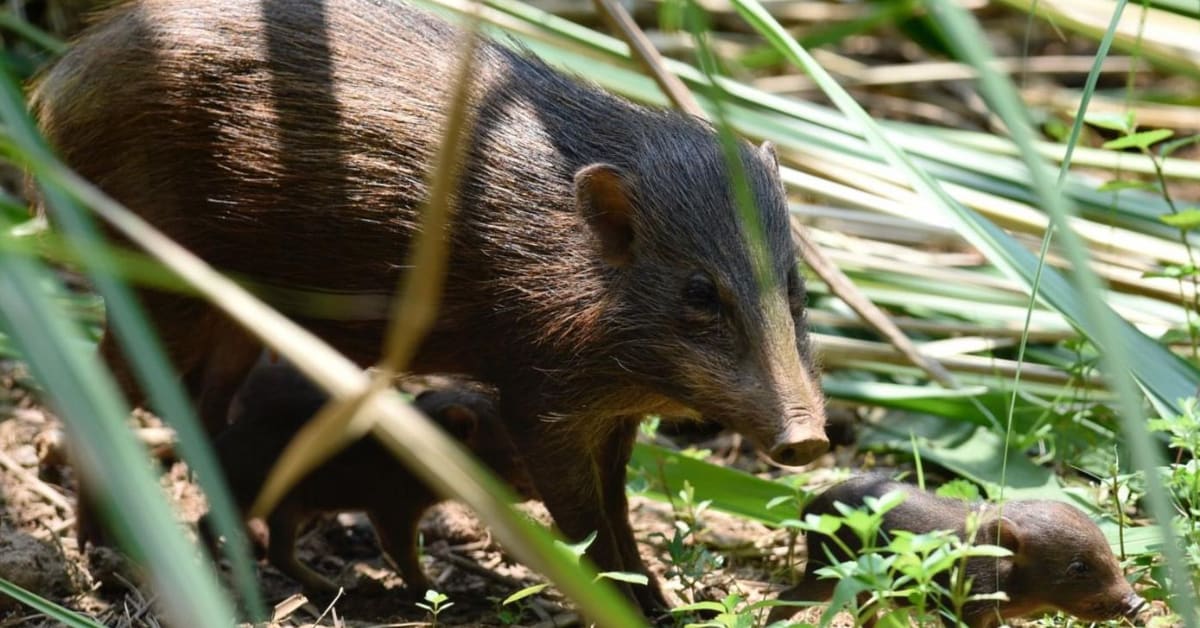
The park just launched its largest wildlife rewilding project yet, releasing 60 rescued spotted deer back into their natural habitat in phases. Working with Save Vietnam's Wildlife, rangers are using a soft-release method that gives animals 30 to 40 days in a 2,000 square meter enclosure to relearn wild behaviors like foraging and finding water before opening the gates to deeper forest areas.
Advanced tracking technology helps experts monitor the animals after release, while rangers protect habitats using a "let nature lead with human support" philosophy. The goal is to repair broken links in the ecosystem and establish a national model for ecological restoration.
But here's where it gets really interesting. The park turned its conservation work into unique tourism experiences that fund the mission while spreading awareness.
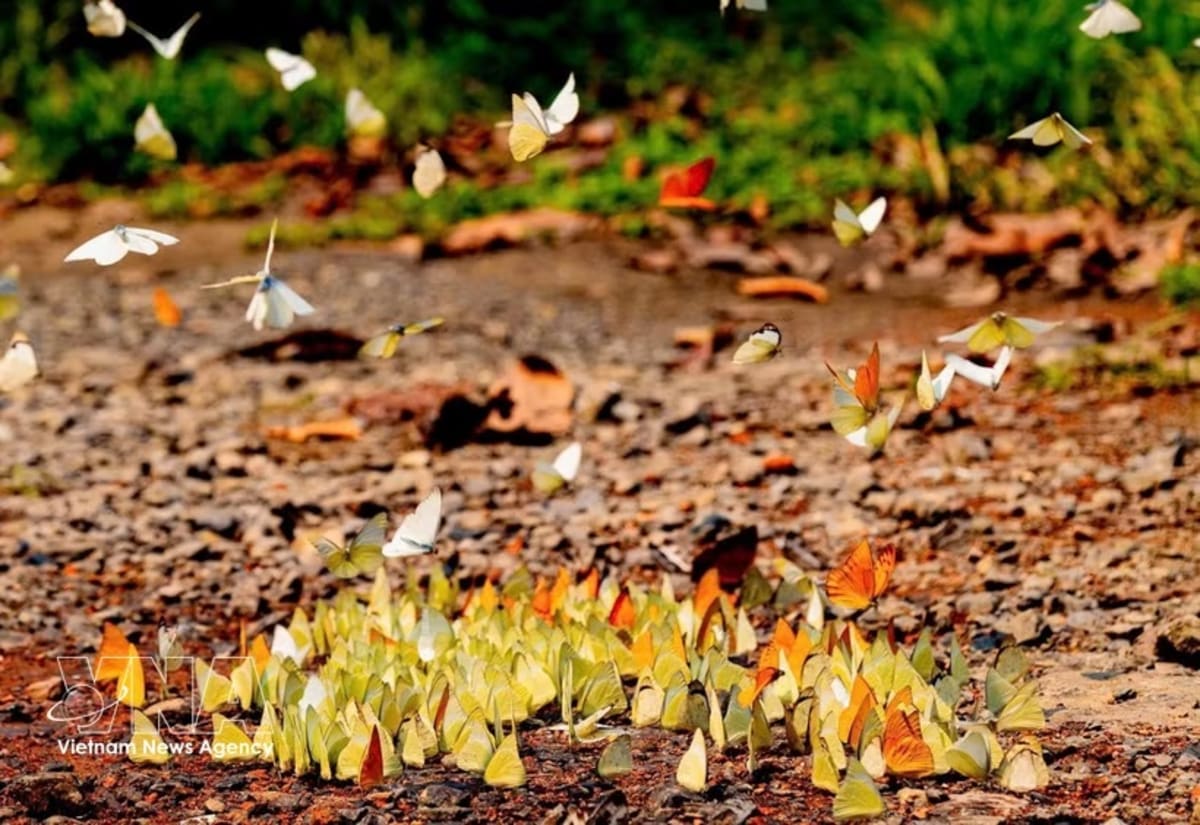
Popular tours include the "Journey of Revival" experience, night wildlife viewing, and seasonal butterfly and firefly photography trips. Do Hong Hai, Deputy Director of the park's Environmental Education & Services Centre, says visitor numbers are strictly controlled with time slots to protect endangered primates, pangolins, and freshwater turtles.
High-emission vehicles stay out, and night tour guests must remain silent and avoid light pollution to prevent disrupting animal behavior. The rules are strict because the wildlife comes first.
The Ripple Effect
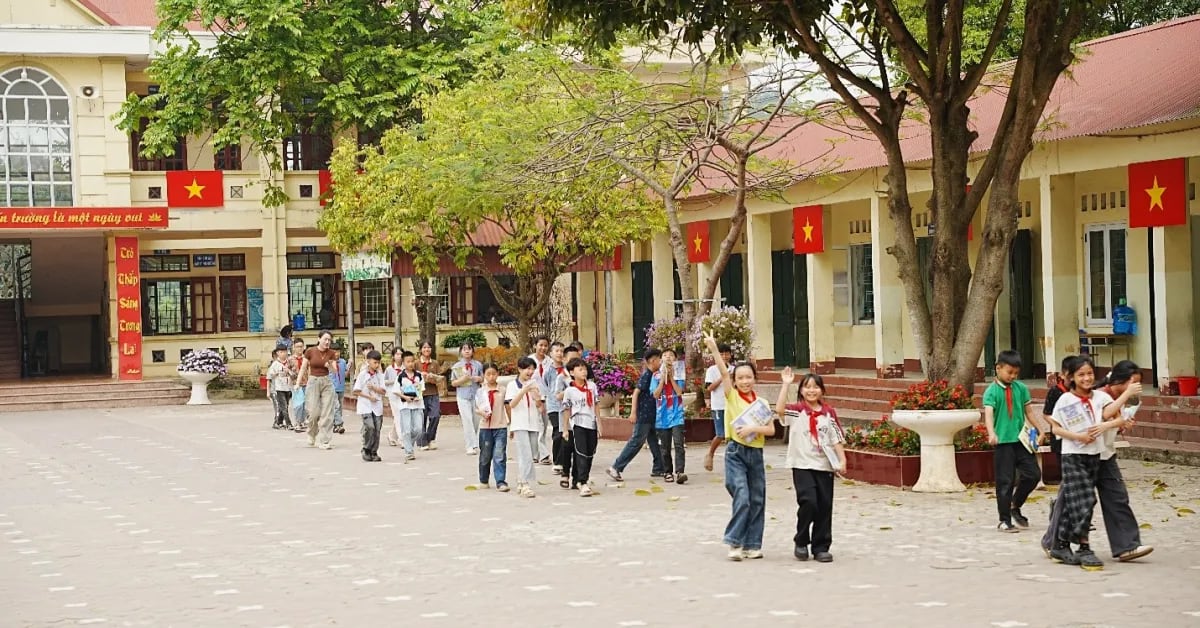
The shift from mass tourism to conservation-focused experiences is gaining serious momentum in Vietnam. Provincial tourism officials say this niche appeals especially to urban residents seeking meaningful connections with nature for learning, exploration, and healing.
By creating educational and immersive products, the park effectively transforms every tourist into a biodiversity ambassador who carries the conservation message home. That word-of-mouth impact extends far beyond the park's boundaries.
The model proves that protecting wildlife and generating revenue aren't opposing goals when done thoughtfully.
More Images
Based on reporting by Google News - Wildlife Recovery
This story was written by BrightWire based on verified news reports.
Spread the positivity!
Share this good news with someone who needs it