Norway Charts Path to Green Energy Without Habitat Loss
Norwegian researchers have cracked a crucial puzzle in the global energy transition: how to expand renewable power while protecting wildlife. Their groundbreaking study offers a roadmap for balancing clean energy growth with biodiversity conservation.
Scientists in Norway just handed the world a blueprint for growing renewable energy without sacrificing nature.
A team led by Jan Borgelt at the Norwegian University of Science and Technology studied how Norway can meet rising electricity demand while protecting its rich biodiversity. The findings reveal both a challenge and a solution that could reshape how countries approach their energy transitions.
Norway already runs on 88% hydropower from over 1,800 plants built mostly in the 1960s and 70s. Now the country faces a critical choice: expanding renewable infrastructure could increase habitat loss by up to 28% by 2050, but researchers found practical ways to avoid that outcome.
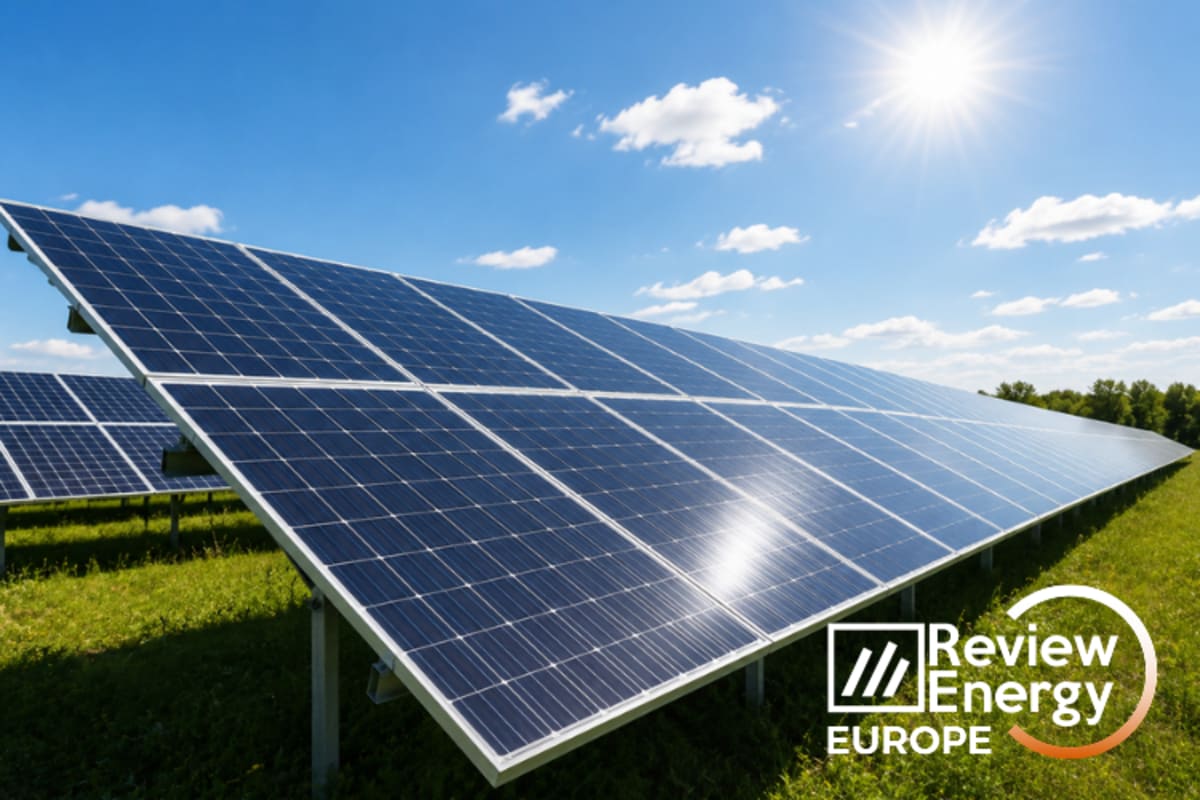
The study examined wind, solar, and hydropower projects across the country. Wind farms currently generate 16 terawatt-hours annually with relatively small direct footprints, though they affect bird populations and local wildlife. Solar farms need more land per unit of electricity, but rooftop installations offer a game-changing alternative by using existing buildings instead of natural habitats.
Here's the breakthrough: the total amount of electricity we use matters more than which renewable technology we choose. Whether Norway builds more wind, solar, or hydro, reducing overall demand through efficiency makes the biggest difference for wildlife.
The Bright Side
The research team discovered that smart location choices can dramatically reduce conflicts between energy and nature. Placing new projects in already disturbed areas or using rooftop solar preserves vital habitats. Even transmission lines, when carefully planned, can create open corridors that benefit certain plants, amphibians, and reptiles.
The study also revealed an unexpected advantage in Norway's existing infrastructure. Because most hydropower was built decades ago, planners now have sophisticated environmental assessment tools that weren't available then. This means future projects can avoid the ecological mistakes of the past.
Power line corridors emerged as surprisingly complex ecosystems. While they challenge some species like birds and mammals, they create beneficial open landscapes for others. Understanding these nuanced impacts helps planners make smarter decisions about where to build.
The researchers emphasized that including biodiversity in energy planning isn't just good for nature. It leads to more durable projects with broader public support and fewer conflicts down the road. Transparent decision-making that weighs ecological data alongside costs and technical needs creates better outcomes for everyone.
What makes this study globally significant is its timing. Countries worldwide face identical trade-offs as they race to decarbonize. Norway's experience shows that protecting nature and fighting climate change don't have to be opposing goals.
The path forward combines aggressive energy efficiency, strategic project siting in low-conflict areas, and maximizing use of existing built environments for solar power. By managing demand while thoughtfully expanding supply, nations can achieve their climate targets without devastating the ecosystems that sustain us.
More Images


Based on reporting by Google News - Norway Green Energy
This story was written by BrightWire based on verified news reports.
Spread the positivity!
Share this good news with someone who needs it