South Carolina Volunteers to Count Pollinators This August
This August, anyone in South Carolina can spend just 15 minutes helping scientists track the bees and butterflies that keep our food systems thriving. Clemson Extension is recruiting volunteers for a region-wide pollinator census that turns curious community members into conservation heroes.
Counting butterflies for 15 minutes this August could help protect the creatures that feed America.
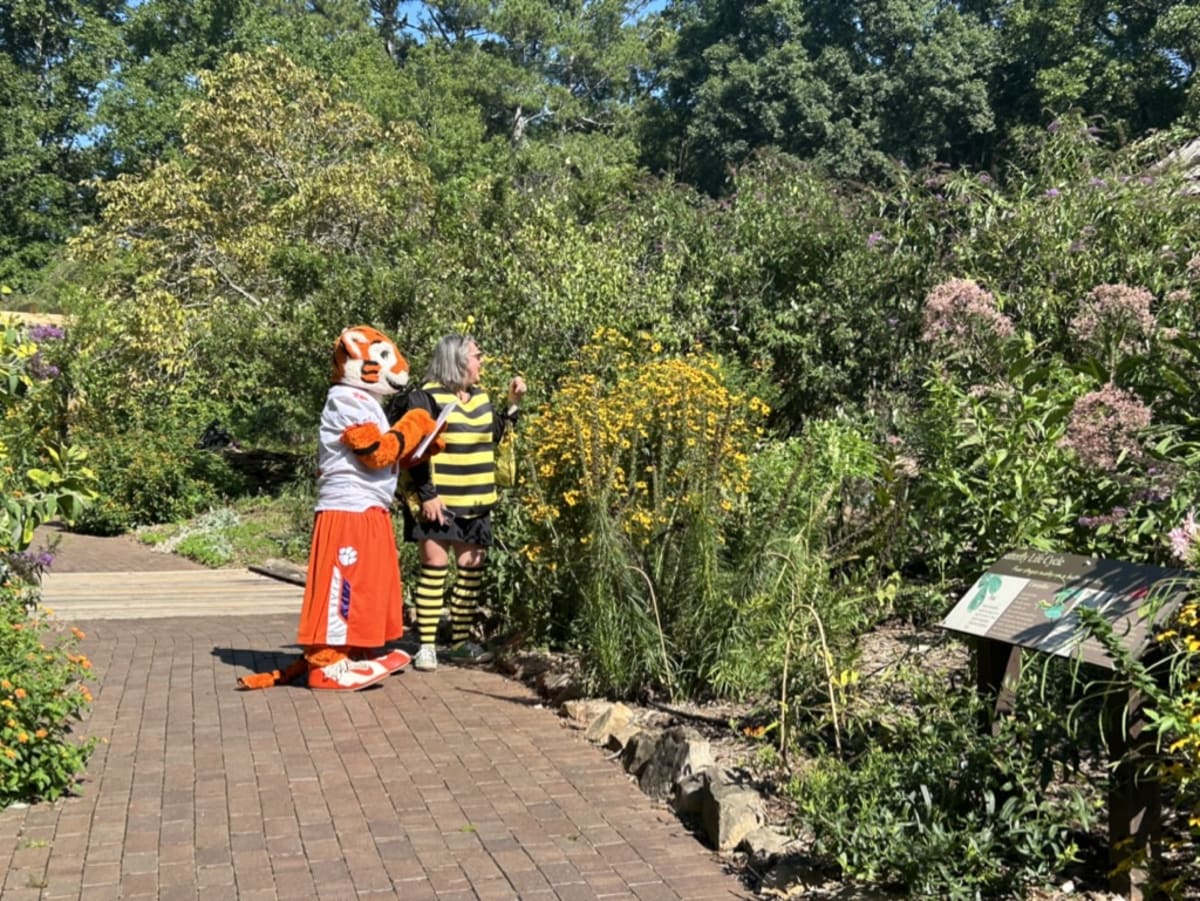
Clemson Cooperative Extension is recruiting South Carolina volunteers for the Great Southeast Pollinator Census on August 21-22, 2026. The citizen science project invites people of all ages to observe and count bees, butterflies, and other pollinators in their communities for just 15 minutes.
The data collected helps researchers, farmers, and conservation groups understand pollinator populations across the Southeast. These small creatures do big work, sustaining the food systems and natural ecosystems that people depend on daily.
"Hosting a Census event is a simple way to bring communities together around science, conservation and curiosity," said Amy Dabbs with Clemson Cooperative Extension. "People of all ages can participate, and every count helps contribute to a larger understanding of pollinator populations across the region."
Organizations across South Carolina can sign up to host public counting events. Libraries, schools, community gardens, conservation groups, businesses, farms, and even homeowner associations are invited to participate.
Clemson is hosting a free webinar on May 28 from 10:30 a.m. to noon to help organizations plan their events. Participants will learn simple pollinator identification methods and receive practical tips for engaging their communities.
Host organizations get free digital marketing materials, including printable cards and promotional graphics. A limited number of reusable event signs will also be available.
The Ripple Effect
What started as a University of Georgia Extension project has blossomed into a multi-state movement. Communities across the Southeast now participate every August, building a growing database that informs conservation decisions and agricultural practices.
The Census transforms casual observers into citizen scientists whose contributions matter. Each 15-minute count adds to regional knowledge about which pollinators thrive where, helping experts develop targeted conservation strategies.
By bringing neighbors together to watch butterflies and bees, the project creates ripples beyond data collection. Families learn together, communities connect over shared purpose, and awareness grows about the tiny winged workers that make gardens bloom and crops flourish.
Interested organizations can register for the webinar or contact Amy Dabbs at adabbs@clemson.edu to learn more about hosting a counting event in their community.
More Images


Based on reporting by Google: volunteers help
This story was written by BrightWire based on verified news reports.
Spread the positivity!
Share this good news with someone who needs it