Costa Rica Resort Protects Bees With New Genetics Lab
A Costa Rican resort just launched a bee genetics laboratory to strengthen pollinator populations threatened by climate change. The pilot program could create a replicable model for protecting the ecosystems that keep forests alive.
Deep in Costa Rica's Guanacaste province, a new laboratory is helping save the tiny creatures that keep entire forests alive.
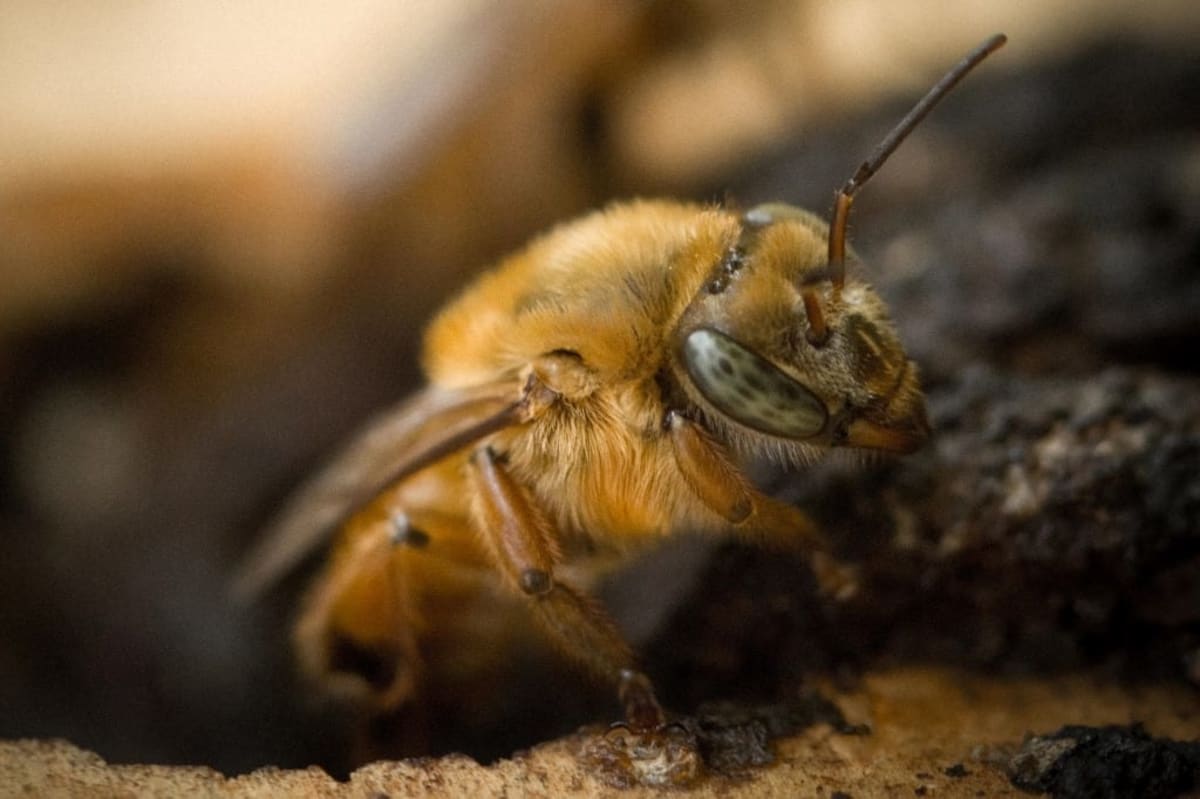
Reserva Conchal has launched a pilot program combining beekeeping expertise with genetic science to strengthen honeybee colonies struggling against climate change, disease, and habitat loss. The project uses selective breeding to identify and propagate bees with traits like disease resistance and better adaptation to extreme weather.
The timing matters. Costa Rica's tropical dry forest faces mounting pressure from climate stress, and bees play an irreplaceable role in keeping it regenerating. Without pollinators, native plants can't reproduce, and the biodiversity that depends on them collapses.
The program partners Reserva Conchal with Blue Zones and Mieles Nicoyanas, bringing together technical beekeeping knowledge, environmental education, and conservation research. Teams are testing whether selective queen bee insemination can produce stronger colonies without disrupting local ecosystems.
The resort's existing apiary already houses about 50 hives with roughly 2.5 million bees. Those colonies pollinate more than 70 hectares of tropical dry forest, supporting the reproduction of native plant species and the ecological processes that sustain biodiversity.
Gabriela Meza, Sustainability Manager at Reserva Conchal, says the goal is to explore how applied science can contribute to pollinator conservation. "Strengthening bee populations is essential for ecosystem protection and environmental resilience," she explained.
The project started small in 2020 and expanded significantly in 2024 with a second apiary inside the Conchal Mixed Wildlife Refuge. The new instrumental insemination laboratory and beekeeping operating room allow scientists to carefully manage the genetic origins of queens and drones, tracking which traits help colonies thrive.
The program also includes a meliponary for native stingless bees and educational programs teaching students and visitors about pollination, food security, and the role of native species in healthy ecosystems.
The Ripple Effect
The project places bees at the center of a larger question facing conservation zones worldwide: how to protect natural systems while climate pressures keep rising. If the model works, it could be replicated across Costa Rica's tourism and agricultural regions where conservation and economic development intersect.
For now, teams are monitoring colony behavior, adaptation levels, and resilience traits before deciding how the laboratory could expand. The next steps include stronger technical monitoring, expanding educational components, and assessing whether the model can support pollinator conservation beyond Reserva Conchal's borders.
The work quietly demonstrates what happens when tourism destinations invest in the ecosystems that sustain them—and shows that protecting nature sometimes means getting scientific about saving the smallest heroes in the forest.
More Images




Based on reporting by Tico Times Costa Rica
This story was written by BrightWire based on verified news reports.
Spread the positivity!
Share this good news with someone who needs it