The Humble Daisy Feeds 11% of Urban Pollinators
Scientists reveal that common lawn daisies provide crucial food for urban bees and butterflies, making those "weeds" in your yard secret heroes for city wildlife. Each cheerful flower is actually a collection of 100 tiny blooms working together as a pollinator buffet.
That simple white and yellow flower dotting your lawn is feeding an entire ecosystem you never knew existed.
Scientists studying urban pollinators discovered that common lawn daisies provide up to 11% of available nectar for city bees, butterflies, and hoverflies. That makes these cheerful flowers a lifeline for insects that, in turn, feed countless other animals up the food chain.
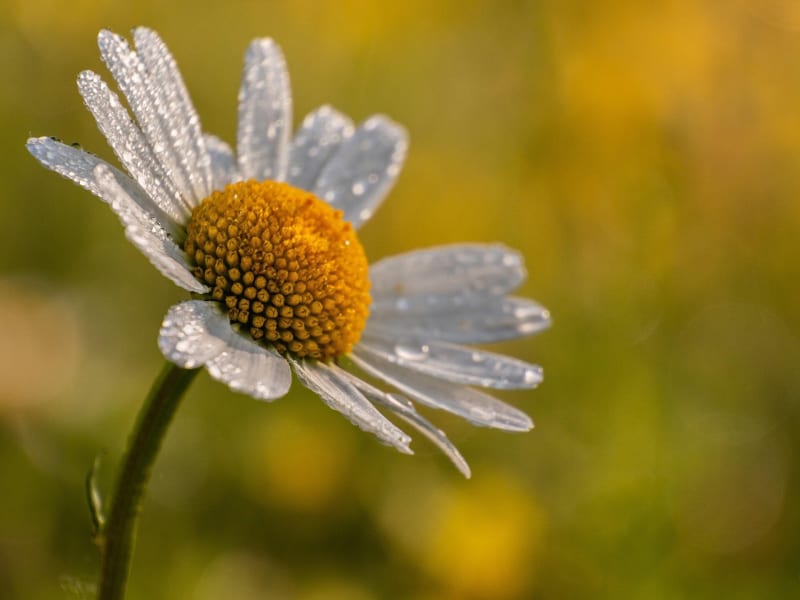
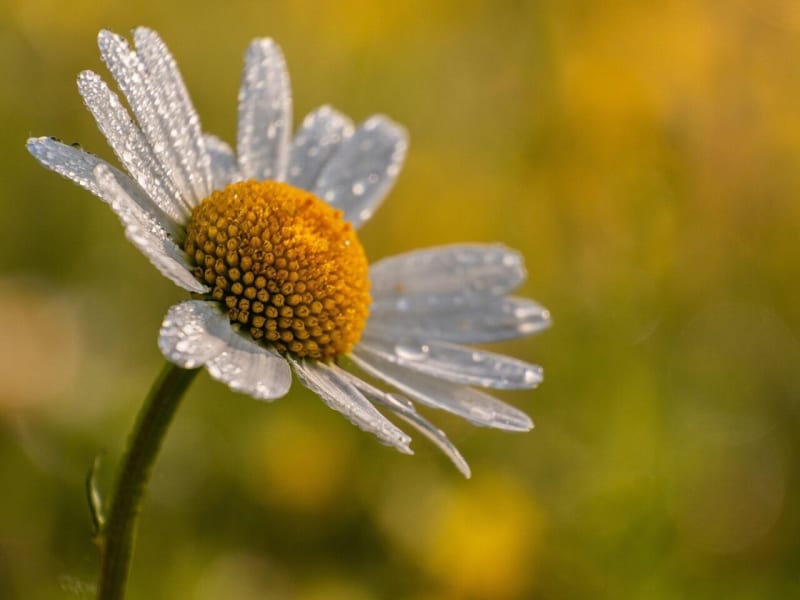
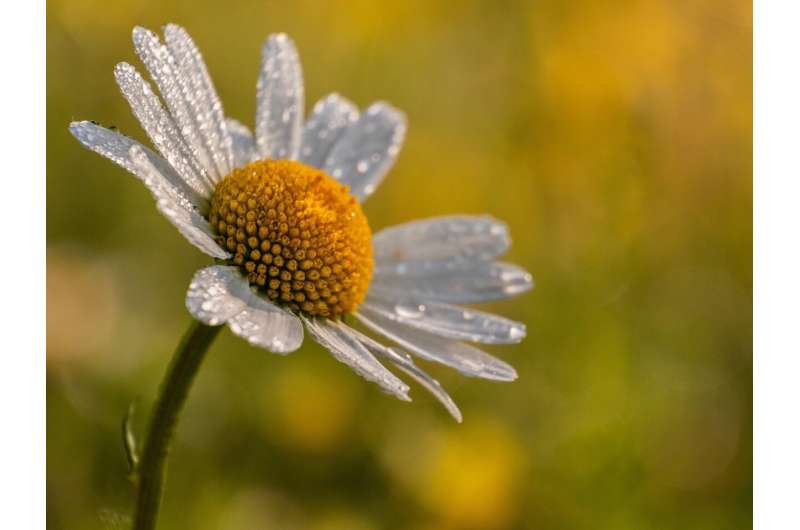
Here's where it gets fascinating. Each daisy you see isn't actually one flower at all. It's a collection of about 100 tiny flowers called florets, all sitting together on a cone-shaped platform and working as a team to attract pollinators.
The yellow center contains tube florets that open in sequence over several days, revealing nectar and pollen treasures. The white "petals" are actually separate ray florets that open toward the sun each morning to maximize warmth for visiting insects.
Watch a bee land on a daisy and you'll see it systematically probe each tiny floret for a sip of nectar. The flowers even close at night and on cloudy days, which is likely where the name "day's eye" originated.
This evolutionary strategy has proven incredibly successful. Daisies belong to the Asteraceae family, the largest family of flowering plants on Earth with over 32,000 species. From tiny lawn daisies to massive tropical trees, they've colonized nearly every ecosystem except Antarctica.
The humble lawn daisy has traveled from its native Europe to thrive in temperate climates worldwide, from New Zealand to the United States. Its secret? A brilliant adaptation to human environments, thriving in trampled ground, short grass, and disturbed areas where other plants struggle.
The Bright Side
Gardeners often see daisies as lawn invaders, but these resilient flowers are actually unsung heroes of urban biodiversity. They can self-pollinate, clone themselves through underground runners, and form partnerships with ancient soil fungi that help them access nutrients.
The plant family also contains a treasure trove of medicinal compounds, with antioxidant, anti-inflammatory, and antimicrobial properties that humans have used for centuries.
Next time you spot daisies in your yard, consider leaving them be—you're hosting a vital feeding station for pollinators struggling to survive in concrete jungles.
More Images

Based on reporting by Phys.org
This story was written by BrightWire based on verified news reports.
Spread the positivity!
Share this good news with someone who needs it