Samsung Launches Cold-Climate Heat Pump for Northeast Homes
Homeowners in cold climates just got a powerful new way to ditch fossil fuels and slash heating bills. Samsung's new heat pump works down to negative 13 degrees Fahrenheit while cutting energy costs.
Millions of homeowners in America's coldest regions can now heat their homes efficiently without burning fossil fuels, thanks to a breakthrough heat pump that works in extreme cold.
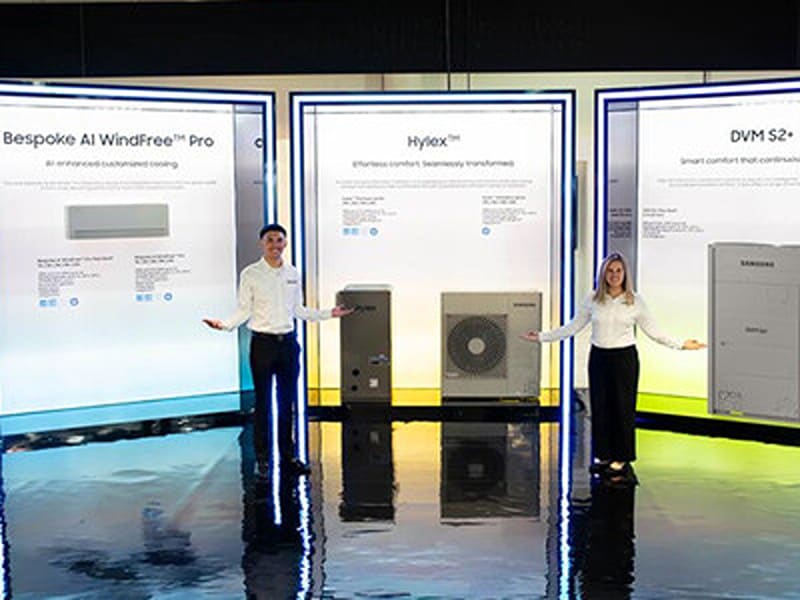
Samsung HVAC North America launched the Hylex system this week, designed specifically for Northeast homes where traditional heat pumps struggled. The technology works in temperatures as low as negative 13 degrees Fahrenheit, solving a problem that kept many cold-climate families dependent on oil and gas furnaces.
The system uses an inverter-driven compressor that adjusts its speed based on heating needs, similar to how cruise control maintains your car's speed. This means it uses only the energy necessary to keep homes comfortable, cutting waste and reducing monthly bills.
The compact design fits in tight spaces where older systems wouldn't work. Homeowners with small yards or zero-lot-line properties can mount units on walls, preserving precious outdoor space while still getting efficient heating and cooling.
Samsung built the system to pair with existing furnaces for dual-fuel operation. The heat pump handles everyday heating needs, while a backup furnace kicks in only during the most extreme cold snaps. This flexibility gives families the efficiency of electric heating with the security of a backup system.
The technology includes WiFi connectivity through Samsung's SmartThings platform, letting homeowners monitor energy use and adjust temperatures from their phones. The transparency helps families see their energy savings in real time and make smarter heating choices.
The Ripple Effect
This launch matters beyond individual homes. The Northeast has some of America's oldest housing stock and highest heating costs, with many families spending thousands annually on oil or propane. Switching to efficient heat pumps reduces both energy bills and carbon emissions from the region's building sector.
Cold-climate heat pumps represent a critical piece of the transition away from fossil fuels. While solar panels get more attention, heating and cooling account for nearly half of residential energy use. Making heat pumps work in extreme cold opens the door for millions more families to electrify their homes affordably.
The system uses R-454B refrigerant, which has a much lower global warming potential than older refrigerants. Combined with its high efficiency ratings (SEER2 up to 15.2 and HSPF2 up to 8.2), the environmental benefits multiply across neighborhoods as more families make the switch.
Installation flexibility matters too. The heat pump works with any standard thermostat and connects to existing ductwork, making upgrades more accessible and affordable for homeowners who might have delayed switching due to installation complexity.
Northeast families now have a proven path to comfortable, affordable heating that doesn't compromise on cold-weather performance.
More Images
Based on reporting by PV Magazine
This story was written by BrightWire based on verified news reports.
Spread the positivity!
Share this good news with someone who needs it