San Diego Gene Discovery Could Drought-Proof Crops
Scientists at San Diego's Salk Institute discovered genes that help plants survive drought, potentially protecting global food supplies. Their breakthrough could help farmers grow stable rice and wheat yields even during water shortages.
A tiny plant studied in a San Diego lab just became a lifeline for farmers facing drought worldwide.
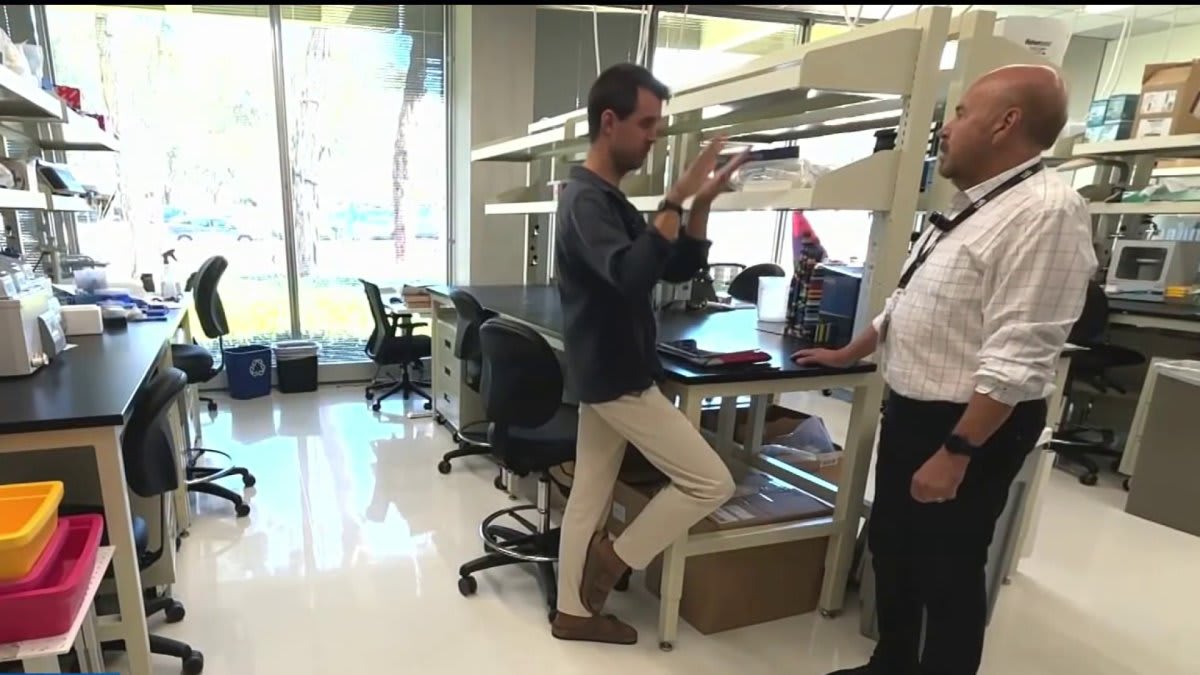
Researchers Joseph Swift and Professor Joe Ecker at The Salk Institute for Biological Studies made a breakthrough discovery about how plants respond when water runs low. They found specific genes that control aging in drought conditions, which could revolutionize how we protect crops during dry spells.
The team worked with Arabidopsis thaliana, a small weedy plant that Ecker calls "the lab rat of the plant world." This humble plant serves as the reference point for understanding all plant biology, making it the perfect testing ground for their research.
What they discovered changes everything we knew about drought stress. When plants don't get enough water, they don't just wilt. At the molecular level, they rapidly shift into an aging and dying profile, like hitting fast-forward on their life cycle.
"Plants have a very flexible schedule where they can progress more quickly if they're in environmental stress," Swift explained. Through careful manipulation of tiny water changes in their labs, the researchers identified the exact genes responsible for this stress response.
The team analyzed millions of different cells in drought-stressed plants over time. Then they did something generous: they made all that data freely available online so investigators worldwide can use it to study different crops.
The Ripple Effect
This discovery reaches far beyond the lab. Farmers growing essential crops like rice and wheat could soon benefit from plants engineered to resist drought stress better.
The potential impact matters most in regions facing increasingly extreme weather patterns. When crops can wait longer for water without aging prematurely, farmers gain precious time during dry spells. That extra time translates to stable yields even when rain doesn't come on schedule.
"If we can help stop that process in the field, then that gives farmers more time and the plant more time to wait for water to continue growing," Swift said. The changes don't have to be dramatic either. Even incremental improvements could help farmers maintain stable harvests while using less water.
The research comes at a critical moment. As droughts become more frequent and severe across farming regions worldwide, discoveries like this offer real solutions instead of just warnings.
From a small weedy plant in a San Diego lab to wheat fields across continents, this breakthrough proves that answers to our biggest challenges often start with the smallest questions.
More Images



Based on reporting by Google News - Scientists Discover
This story was written by BrightWire based on verified news reports.
Spread the positivity!
Share this good news with someone who needs it