San Diego Zoo Clones Endangered Ferrets From Frozen Cells
While a Texas biotech firm makes headlines with bold promises, the San Diego Zoo Wildlife Alliance quietly achieved something remarkable: bringing endangered black-footed ferrets back from frozen genetic material stored for decades. It's a real conservation win that shows how biobanking actually works.
A nonprofit conservation group has successfully cloned black-footed ferrets from cells frozen over half a century ago, proving that genetic preservation can help save species teetering on extinction's edge.
The San Diego Zoo Wildlife Alliance has been quietly storing cells and tissue from endangered animals for more than 50 years. Their biobank recently paid off in a big way when scientists created living, breathing ferrets from material that had been frozen long before most of us were born.
Black-footed ferrets nearly vanished from North America entirely. The cloning success gives the species a genetic boost it desperately needs, adding diversity that could strengthen the entire population for generations.
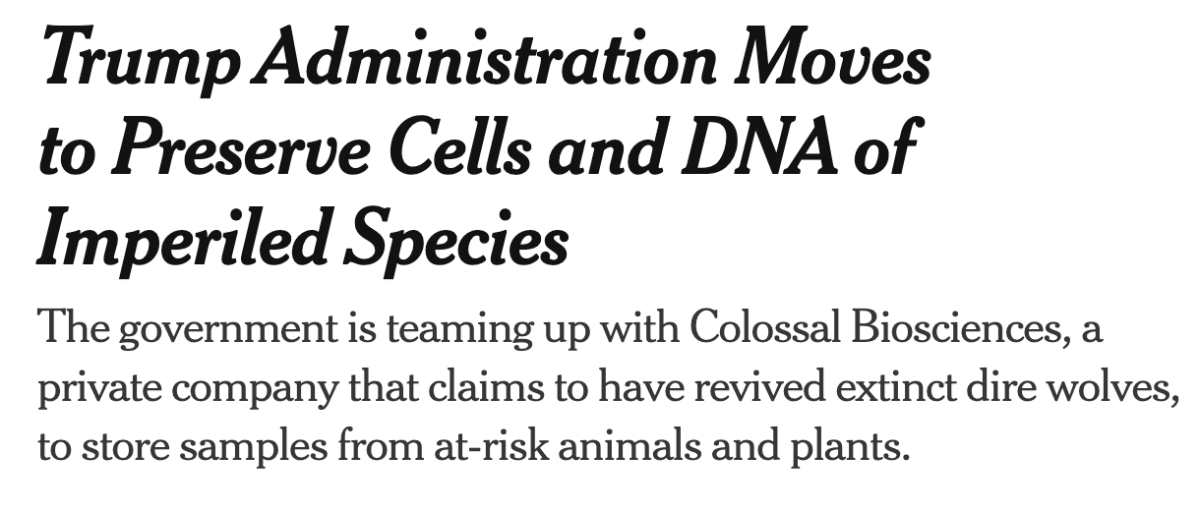
Meanwhile, a new partnership between the Trump administration and Colossal Biosciences aims to collect and sequence DNA from every species protected under the Endangered Species Act. That's more than 2,300 plants and animals worldwide.
The company promises to make genetic sequences public, which could teach scientists volumes about evolution and biodiversity. Under the five-year agreement, the U.S. Fish and Wildlife Service will help identify which species need priority attention.
But there's a catch. Colossal keeps all samples it collects with its own resources, meaning other researchers and conservation groups can't access the biological material itself. The for-profit company has raised $400 million from celebrity donors and is now valued at over $10 billion.
Why This Inspires
The San Diego Zoo's success proves we don't need flashy promises or billion-dollar valuations to make conservation breakthroughs. Sometimes the most powerful tools are the ones developed through decades of patient, unglamorous work.
Their biobank operates as a true public resource. Scientists worldwide can collaborate, share findings, and work together to prevent extinctions rather than trying to reverse them.
Conservation experts worry that focusing too much on high-tech solutions might pull attention and funding away from protecting the habitats animals need right now. Drilling, mining, and development continue threatening the places where endangered species actually live.
The best part? The San Diego Zoo model shows that genetic preservation works best alongside traditional conservation, not instead of it. Store the cells, yes, but also protect the forests, wetlands, and grasslands where these animals belong.
As climate change and habitat loss accelerate, having genetic backup plans makes sense. But the real heroes are the organizations doing the patient, proven work of keeping species alive in the first place.
More Images

Based on reporting by Google: species saved endangered
This story was written by BrightWire based on verified news reports.
Spread the positivity!
Share this good news with someone who needs it