Santiago Approves Massive Battery to Power 750,000 Homes
Chile just greenlit one of South America's largest energy storage systems that could power three-quarters of a million homes. The 750-megawatt-hour battery in Santiago marks a major leap forward for renewable energy reliability across Latin America.
Santiago just took a giant leap toward a cleaner energy future, and the timing couldn't be better.
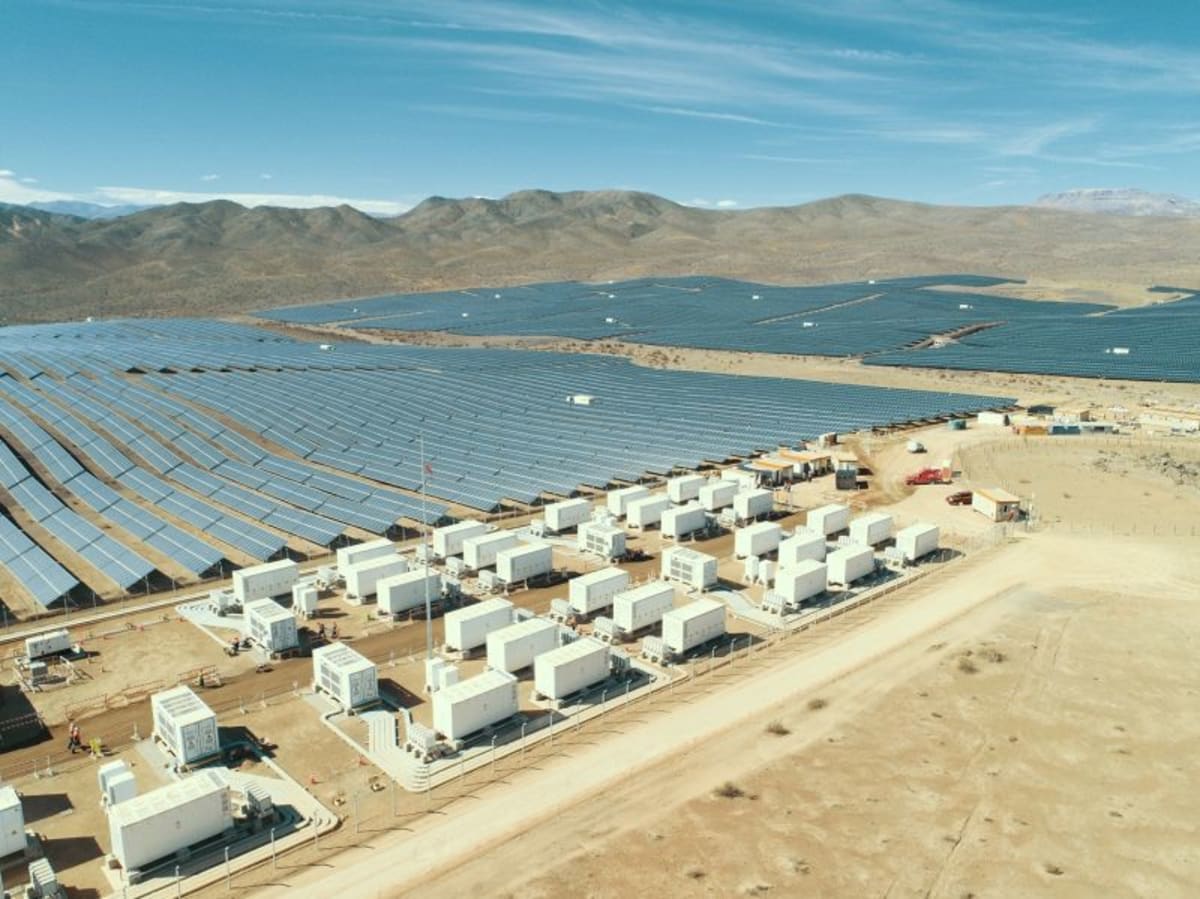
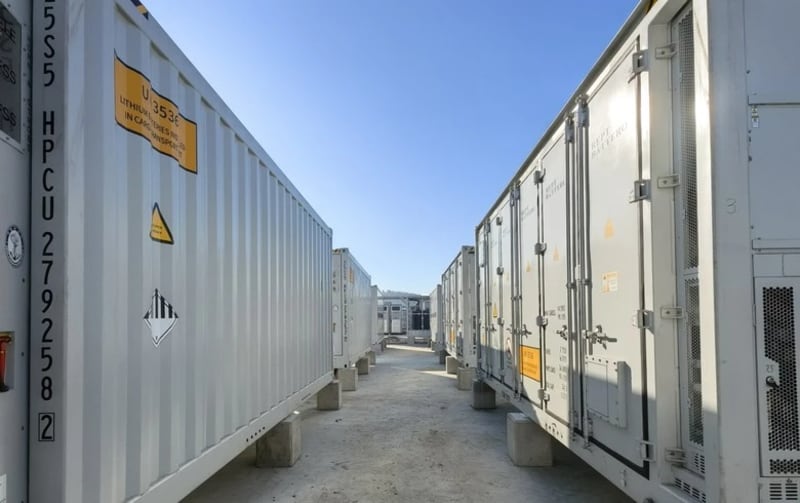
Chilean authorities approved a massive 750-megawatt-hour battery energy storage system for the capital city, developed by a joint venture involving Korkia. This isn't just another infrastructure project—it's one of the largest energy storage facilities in South America, capable of storing enough electricity to power hundreds of thousands of homes when the sun isn't shining and the wind isn't blowing.
The approval comes at a critical moment for Chile's renewable energy transition. The country has been rapidly expanding its solar and wind capacity, but without large-scale storage, that clean energy can go to waste when production peaks don't match when people actually need power.
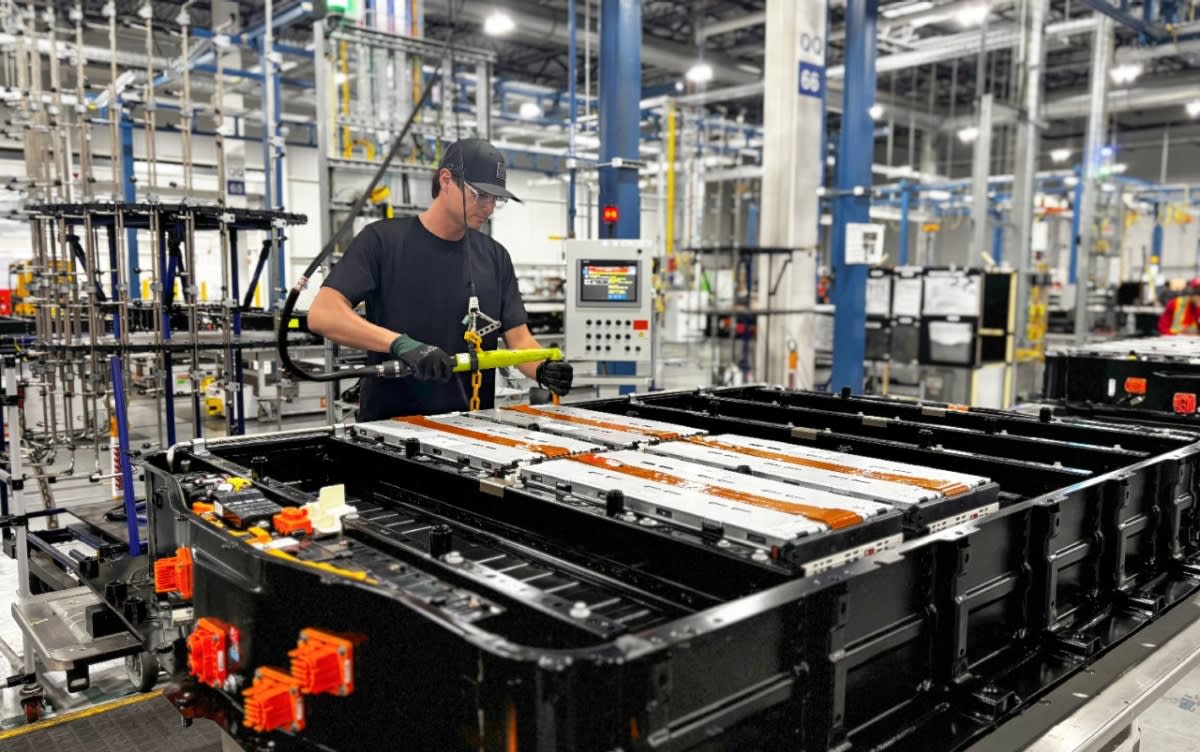
Battery storage systems solve that puzzle by capturing excess renewable energy during sunny or windy periods and releasing it during evening hours or cloudy days. Think of it as a massive power bank for an entire city, ensuring clean energy stays available around the clock.
Santiago's new system represents a quantum leap in scale for the region. At 750 megawatt-hours, it dwarfs most existing storage projects in Latin America and signals that energy storage technology has matured enough for developing nations to deploy it at transformative scales.
The project joins a growing wave of battery installations across Chile. Just days before this approval, Acciona Energia ordered batteries from CATL for a separate 1-gigawatt-hour storage project, while Grenergy filed environmental impact statements for another solar-plus-storage facility in central Chile.
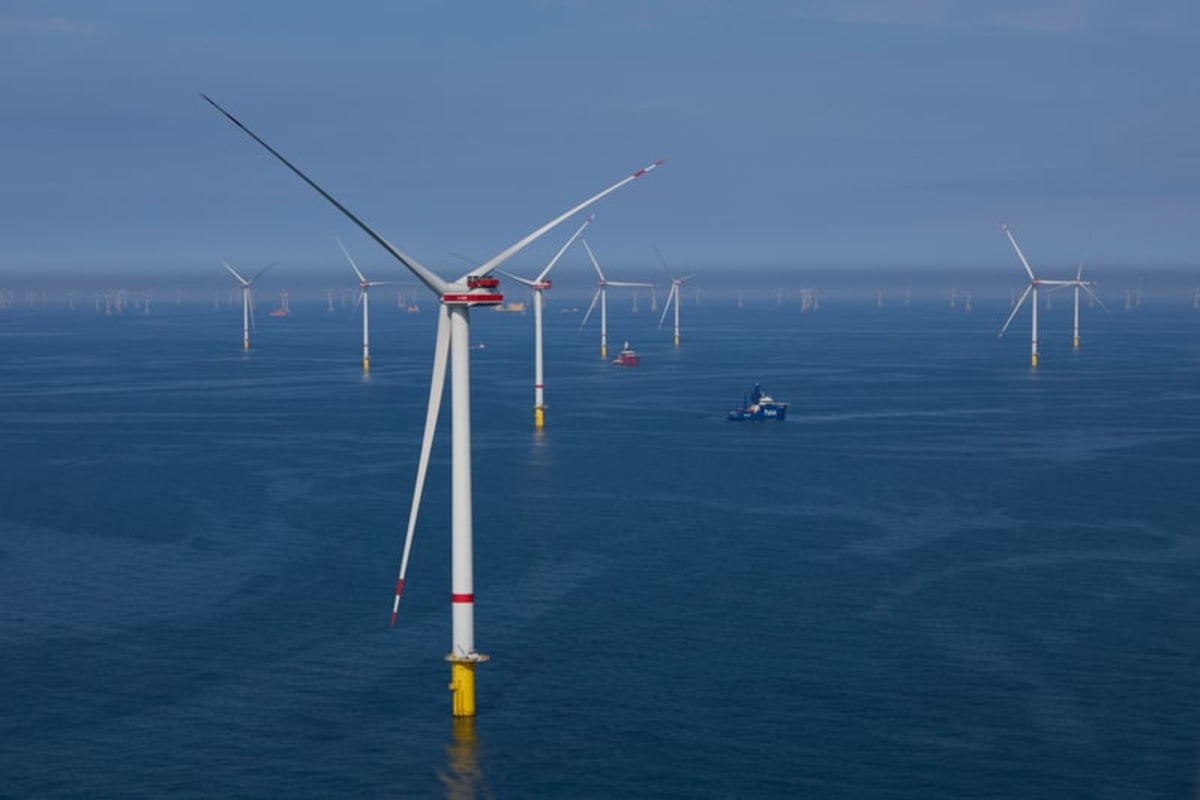
This clustering of storage projects isn't coincidental. Chile possesses some of the world's best solar resources in its northern Atacama Desert and strong wind potential along its lengthy coastline, but transmitting and storing that power for urban centers like Santiago has been the challenge.
The Ripple Effect
Santiago's battery approval sends ripples far beyond one city's power grid. For other Latin American nations watching Chile's renewable transition, this project proves that large-scale storage is economically viable and technically feasible in the region.
The success could accelerate similar projects across Brazil, Argentina, Peru, and Colombia, all of which are expanding renewable capacity but struggling with intermittency challenges. When one country demonstrates a technology at scale, it reduces perceived risk for neighbors considering the same path.
Chile's lithium reserves—the world's largest—add another dimension to this story. The country produces much of the raw material that makes these batteries possible, creating potential for a homegrown clean energy supply chain that generates jobs while reducing emissions.
For Santiago's residents, the benefits translate to more reliable electricity from cleaner sources. Chile has committed to carbon neutrality by 2050, and massive storage systems like this one make that goal achievable rather than aspirational.
The project also demonstrates how quickly energy storage technology has evolved. Just a decade ago, a 750-megawatt-hour battery would have been prohibitively expensive and technically challenging, but costs have plummeted while performance has soared.
Energy experts point to storage as the missing piece that makes 100% renewable grids possible. Solar panels and wind turbines generate clean electricity, but batteries ensure that power flows consistently regardless of weather or time of day.
Chile's approval process for this project also matters. By greenplighting such a significant storage system, regulators signal confidence in the technology and commitment to enabling the renewable transition with appropriate infrastructure.
The timeline from here involves construction and grid integration, typically taking 18 to 24 months for projects of this scale.
One battery won't solve climate change, but Santiago's new storage system shows how the right infrastructure can turn renewable energy from an intermittent resource into a reliable foundation for modern life.
Based on reporting by Google News - Chile Renewable Energy
This story was written by BrightWire based on verified news reports.
Spread the positivity!
Share this good news with someone who needs it