Sarawak's Perennial Rice Yields 14 Tonnes Per Hectare
A Malaysian state has cracked the code on rice that regrows for four years without replanting, drawing international attention. The breakthrough could reshape food security across Southeast Asia.
Sarawak has successfully grown perennial rice that produces harvests for four years without replanting, and now delegations from four countries want to see how they did it.
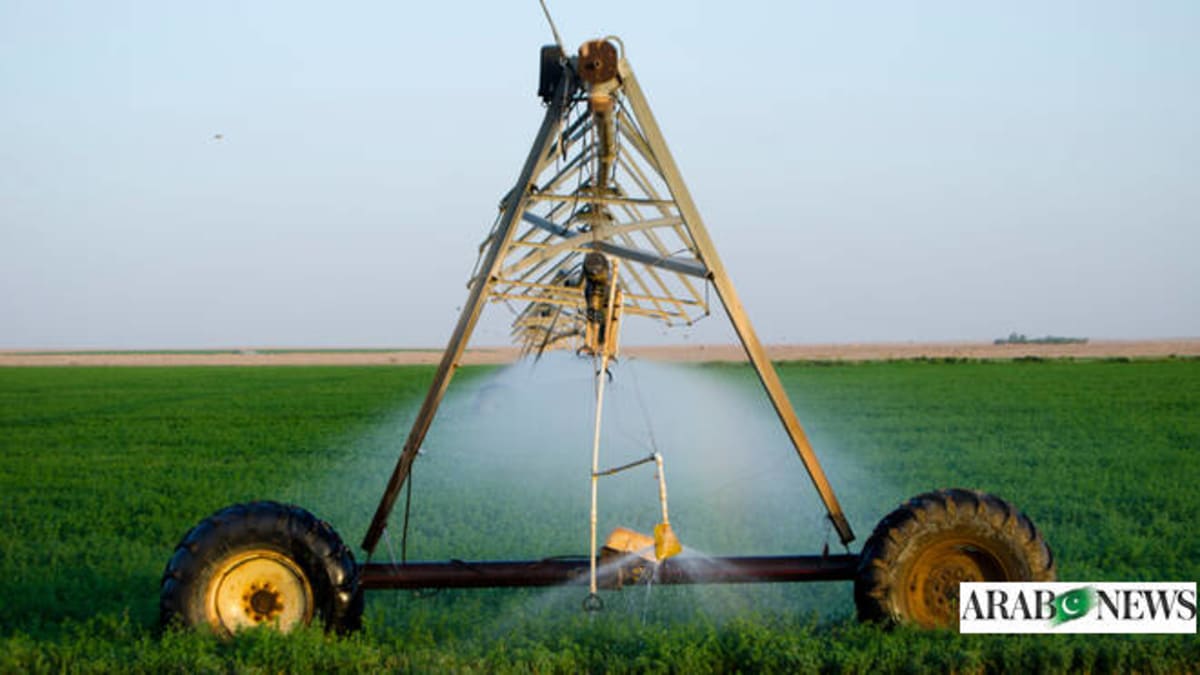
The Malaysian state partnered with China's Yunnan University to develop the innovative rice variety, which regrowed after harvest in large-scale trials at Kuala Baram. One hectare produced up to 14 tonnes across two seasons annually, with potential for four harvests yearly under ideal conditions.
Premier Datuk Patinggi Tan Sri Abang Johari Tun Openg announced that officials from Kedah, Brunei, Indonesia, and Universiti Putra Malaysia have requested visits to observe the program. He instructed the Land Custody and Development Authority to welcome them.
The technology addresses a pressing concern. Climate-related floods in Bangladesh and Pakistan have disrupted global rice supplies, while extreme weather has hampered production across Thailand and neighboring regions.
Traditional rice farming requires replanting after each harvest, demanding significant labor and resources. This new perennial variety eliminates that step while dramatically cutting production costs over its four-year lifespan.
The results speak louder than projections. In Gedong, improved rice varieties achieved yields of eight tonnes per hectare compared to the traditional 1.3 tonnes from conventional methods.
Sarawak currently produces only 21 percent of its rice needs, importing the rest from overseas. The state government views agricultural innovation as essential to achieving food security for future generations.
The Ripple Effect
The international interest signals how one region's solution could benefit millions. Countries facing similar climate challenges and food security concerns now have a proven model to study and potentially adapt.
Bangladesh and Pakistan, both wrestling with flood-damaged rice fields, could particularly benefit from varieties that withstand extreme weather. Thailand's rice production challenges make the technology equally relevant across Southeast Asia.
The collaboration between Sarawak and Yunnan University demonstrates how cross-border partnerships can tackle global problems. By sharing knowledge and opening their fields to international observers, Sarawak is multiplying the potential impact of their breakthrough.
For communities dependent on rice as a staple food, technology that increases yields while reducing labor and costs could transform livelihoods. Four years of harvests from a single planting means more food security and less vulnerability to disrupted growing seasons.
Sarawak's doors are now open to those ready to learn, proving that good news grows best when shared.
More Images



Based on reporting by Google News - Indonesia Success
This story was written by BrightWire based on verified news reports.
Spread the positivity!
Share this good news with someone who needs it