Saskatchewan and Poland Team Up on Nuclear Energy Future
Saskatchewan and Poland signed a historic partnership to advance nuclear energy development, workforce training, and supply chain opportunities. The collaboration could power both regions with clean energy while creating economic growth for decades.
A prairie province and a European nation just joined forces to shape the future of clean energy.
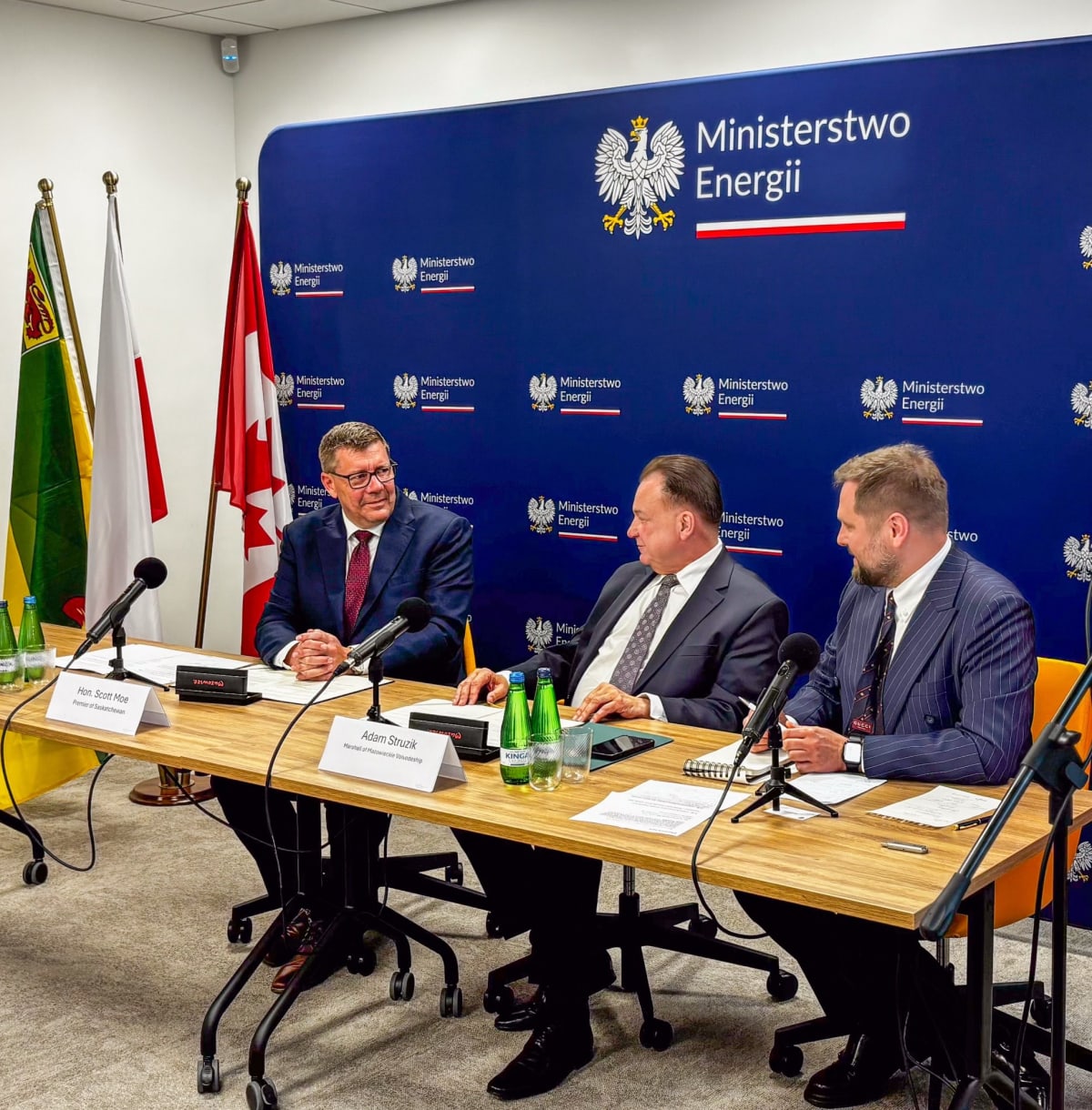
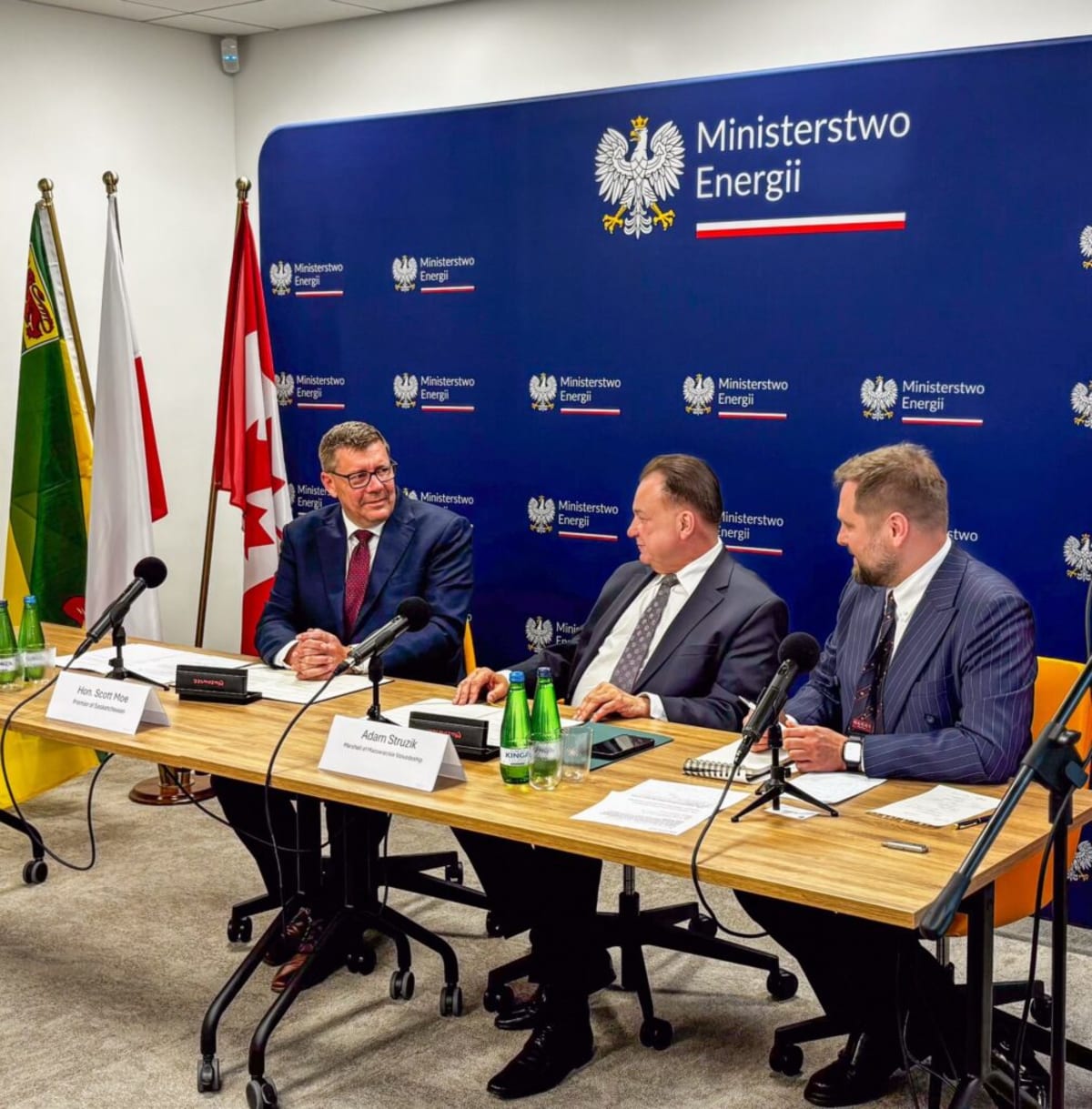
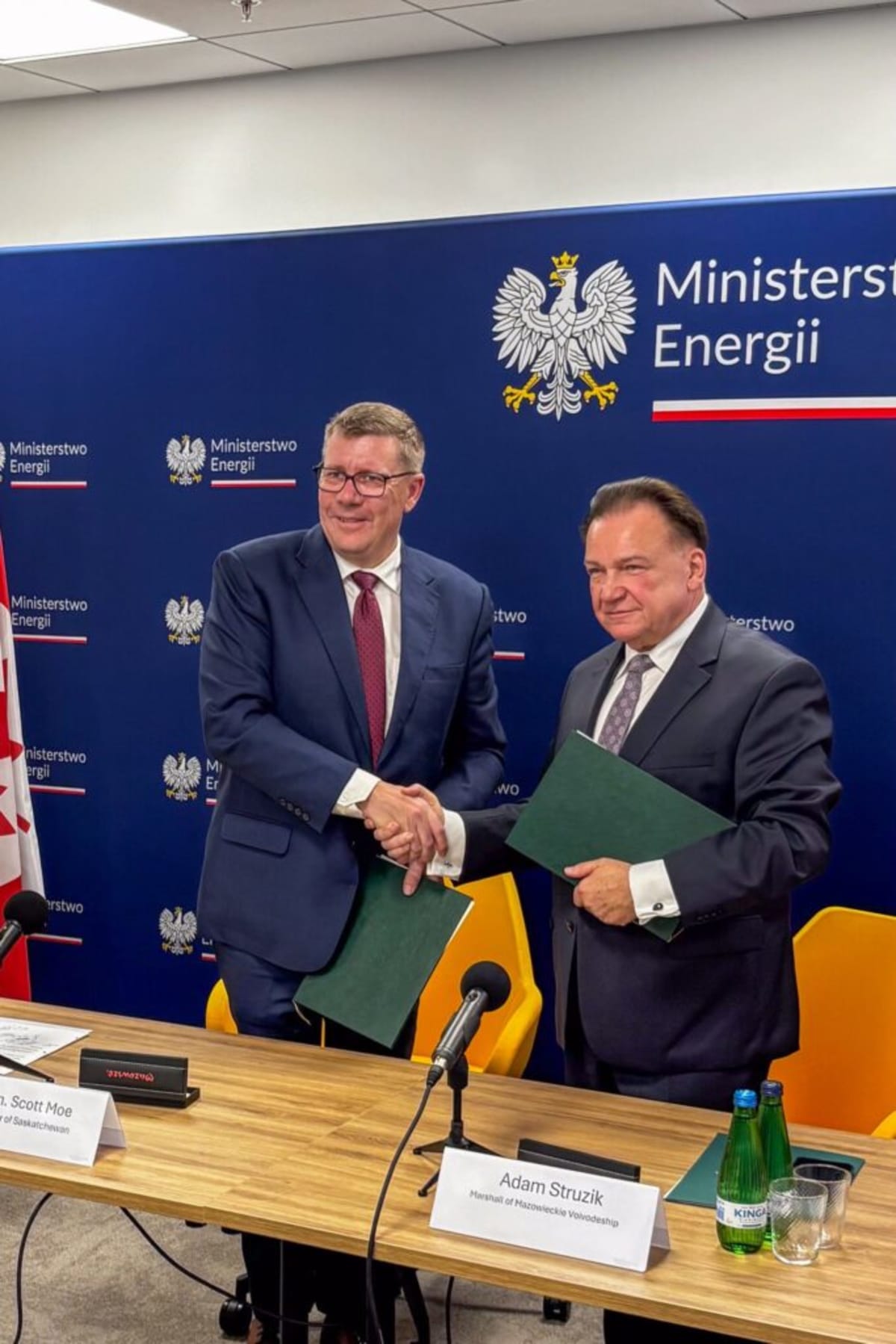
On June 16, Saskatchewan Premier Scott Moe signed a memorandum of understanding with Poland to collaborate on nuclear energy development. The partnership focuses on building skilled workforces, advancing research and innovation, and creating supply chain opportunities that will benefit both economies.
The timing couldn't be better. Poland plans to build roughly 24 small modular reactors and several large-scale nuclear plants. Saskatchewan has chosen the GE Vernova-Hitachi BWRX-300 small modular reactor for its first two reactors and is considering larger Westinghouse AP1000 reactors.
All those Polish reactors will need fuel, and Saskatchewan sits on the world's largest high-quality uranium deposits. The province is uniquely positioned to supply the clean energy fuel that Europe desperately needs.
The partnership goes beyond just mining and selling uranium. Both regions will share expertise on nuclear workforce training, research programs, and building the infrastructure needed for modern reactor technology. Adam Struzik, Marshal of the Mazovian Voivodeship in Poland, emphasized that the collaboration responds to growing energy needs while protecting the environment and combating climate change.
The numbers tell a remarkable story of growing cooperation. Over the past five years, Saskatchewan's exports to Poland skyrocketed by 3,500 percent, jumping from $2.2 million in 2021 to $79 million in 2025.
Cameco CEO Tim Gitzel celebrated the agreement, noting that nuclear energy thrives through global collaboration and knowledge sharing. As a leading provider of uranium fuel and reactor technologies, Cameco is ready to support both jurisdictions as they pursue civil nuclear programs.
The Ripple Effect
This partnership represents more than just an energy deal. It's creating pathways for students and workers to gain nuclear expertise through educational exchanges. It's building research networks that will drive innovation in clean energy technology. It's proving that regions thousands of miles apart can work together to solve global challenges.
The agreement also strengthens energy security for both regions. As Europe seeks reliable alternatives to fossil fuels, Saskatchewan's uranium and expertise become increasingly valuable. Meanwhile, Saskatchewan gains access to Poland's experience in planning large-scale nuclear deployment.
The MOU signing happened during Saskatchewan's trade mission to the European Union, supported by the province's Germany office. These international connections are transforming Saskatchewan from a uranium supplier into a comprehensive nuclear energy partner.
Two regions on different continents are showing the world how collaboration can power a cleaner, more secure energy future.
More Images

Based on reporting by Regional: poland development (PL)
This story was written by BrightWire based on verified news reports.
Spread the positivity!
Share this good news with someone who needs it