Saskatchewan Approves $27M for Residential School Survivors
After years of advocacy, survivors of Saskatchewan's Île-à-la-Crosse Boarding School won court approval for a historic settlement worth $27.3 million. The victory brings recognition and healing to a community long overlooked by national compensation efforts.
A Saskatchewan judge this week certified the single largest class action settlement in provincial history, bringing long-awaited justice to survivors of the Île-à-la-Crosse Boarding School.
The settlement awards $27.3 million in payments to survivors and their families, plus a $10 million legacy fund for the community. Justice R.C. Wempe approved agreements reached with both the federal and provincial governments after careful review.
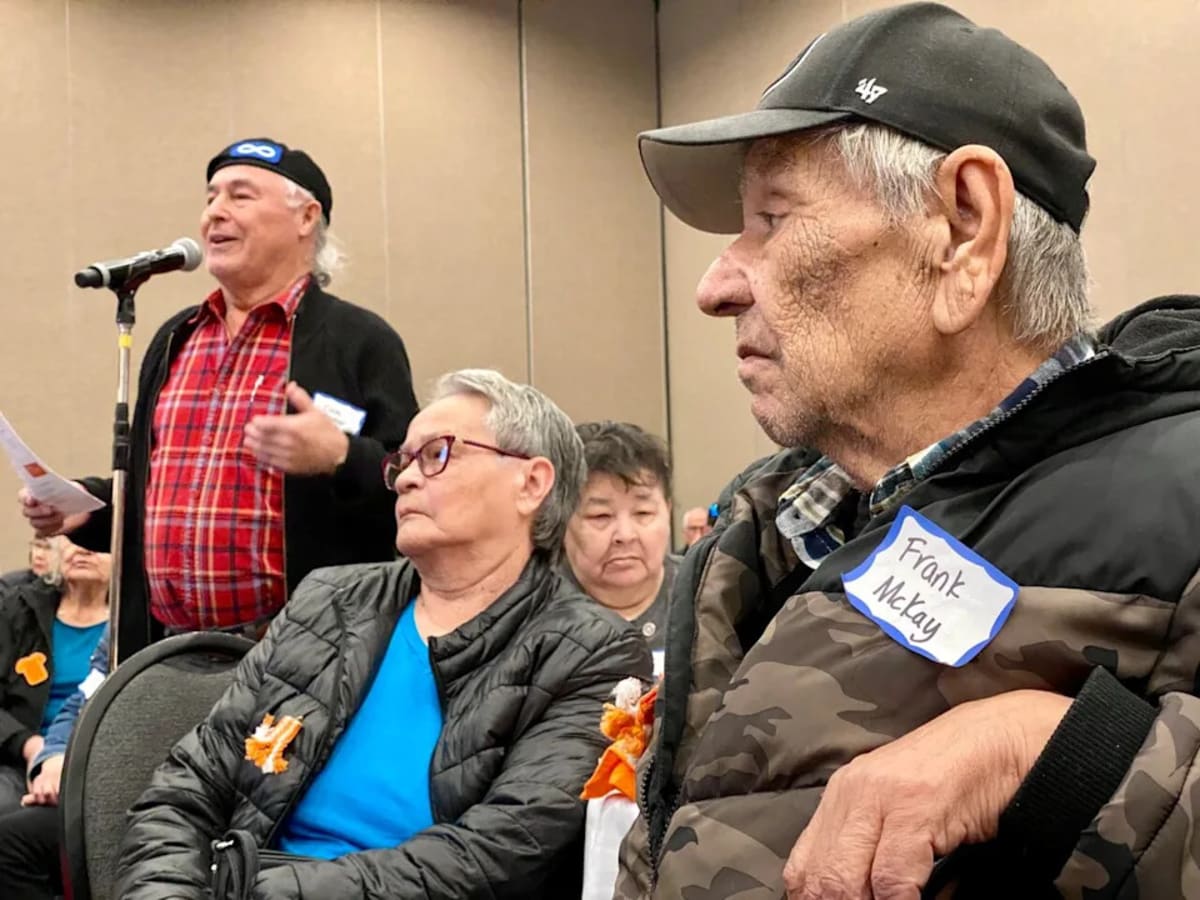
"It's a day of celebration for all those affected by the atrocities inflicted at the school," said MP Buckley Belanger, himself a survivor. The victory comes after years of tireless work by survivors seeking recognition for abuses that fell outside the 2005 Indian Residential Schools Settlement Agreement.
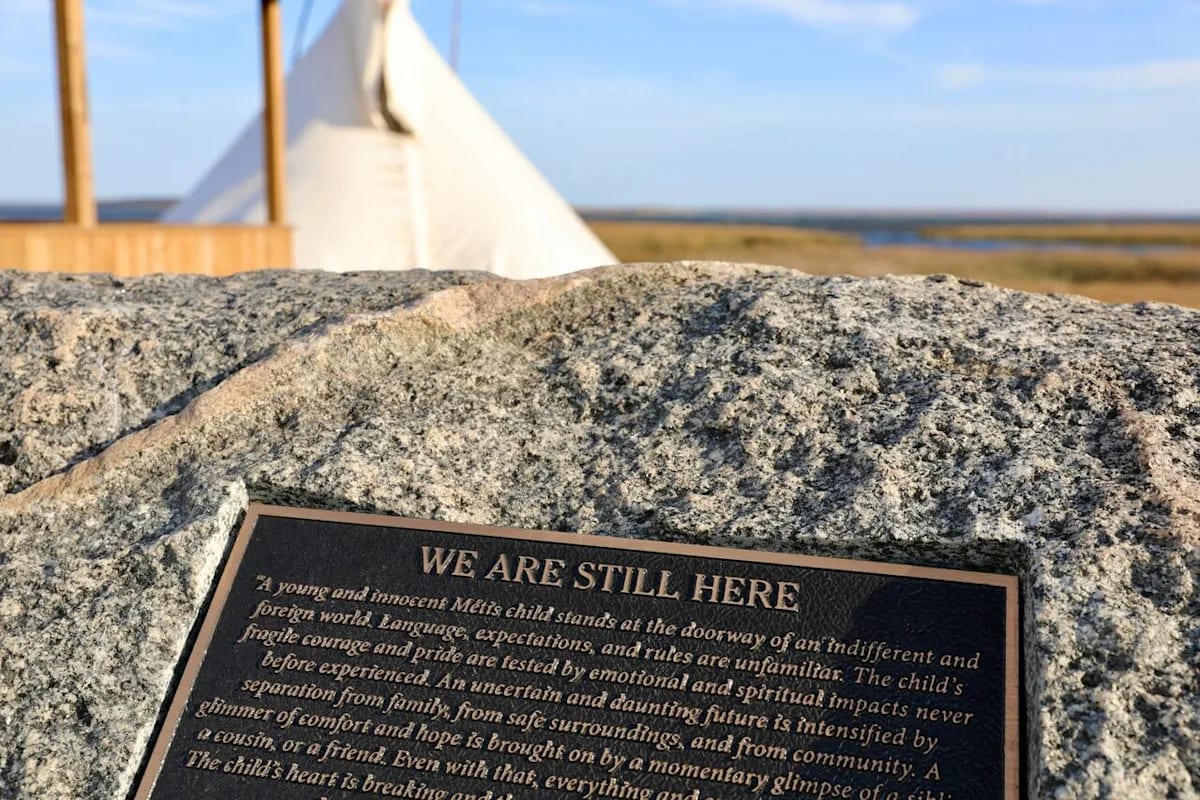
The school operated from around 1860 until the 1970s, making it one of the earliest and longest-running institutions of its kind in Canada. An estimated 1,500 children, mostly from Métis communities across northwest Saskatchewan, were forced to attend.
Many survivors experienced serious physical and sexual abuse while losing connection to their culture and families. Because the school predated the federal residential school system, their experiences went unrecognized in national compensation efforts until now.
Métis Nation Saskatchewan Vice President Michelle LeClair emphasized the urgency of reaching this settlement, as many survivors have died since the lawsuit was filed. Belanger honored those who passed before seeing justice, saying their stories and names will never be lost.
The Ripple Effect
The settlement creates momentum for similar cases across Canada. Premier Scott Moe confirmed Saskatchewan is already working toward a comparable settlement for survivors of Timber Bay Residential School, another institution excluded from the 2005 agreement.
The legacy fund will support healing initiatives and cultural programs for affected communities, ensuring future generations benefit from this hard-won recognition. Families touched by intergenerational trauma now have resources to support their recovery journey.
The court's approval validates decades of survivor advocacy and sends a clear message that justice delayed doesn't mean justice denied. Communities across northwest Saskatchewan can now begin the compensation phase, with payments going to survivors and families of those who have passed.
This victory stands as proof that persistence and community solidarity can overcome even century-old injustices.
More Images

Based on reporting by Google News - Historic Victory
This story was written by BrightWire based on verified news reports.
Spread the positivity!
Share this good news with someone who needs it