Satellite TV Bypasses Iran's Internet Blackout
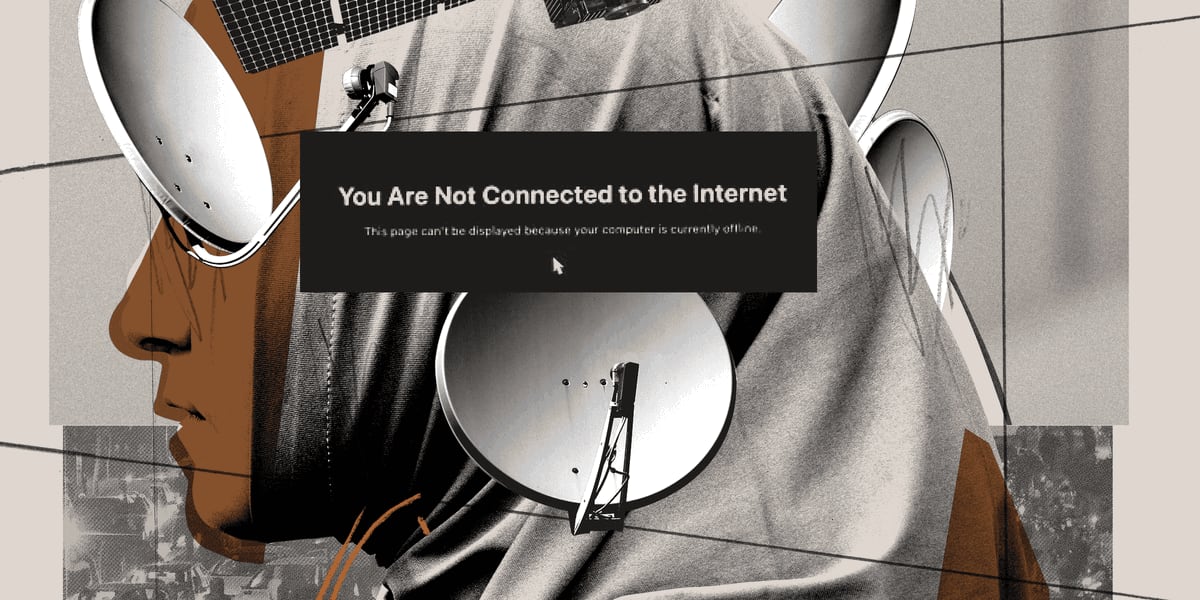
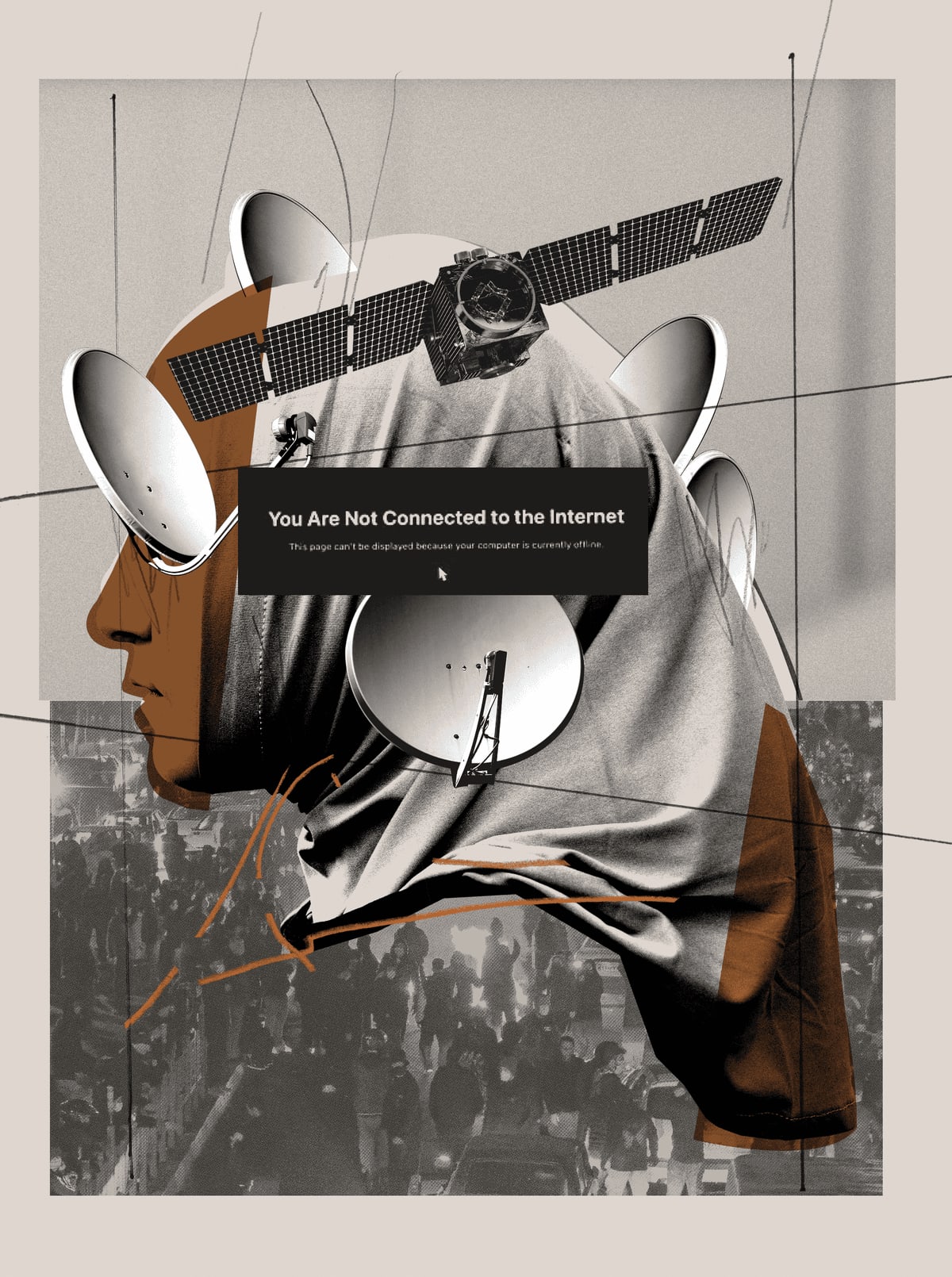
When Iran cut internet access to 90 million people, activists delivered news through an ingenious backdoor: hidden files in satellite TV signals. The system called Toosheh became a lifeline during weeks of total communications shutdown.
When Iran shut down the internet for 90 million people in January 2026, activist Alireza Firoozi and his team had already built the perfect workaround.
For 13 days, Iranians couldn't text, call, or go online during one of the country's largest protests since 1979. The government blocked everything, even landlines, leaving families unable to reach each other across town.
But NetFreedom Pioneers, a nonprofit fighting digital censorship, activated Toosheh. The Persian word means "knapsack," and that's exactly what this technology does: it packs real news into satellite TV signals that beam into Iran, completely bypassing government control.
The system works because most Iranian households already have satellite dishes for free-to-air TV channels, despite the dishes being technically illegal. These dishes can't be blocked the way internet connections can. Anyone with a simple computer card can download the hidden files along with their regular TV programs.
Firoozi grew up navigating Iran's censorship. As a five-year-old in the 1990s, his uncle risked arrest by installing a satellite dish so the family could watch Cartoon Network. Later, that same uncle introduced him to the internet through dial-up connections, opening windows to NASA websites and global news.
Those windows slammed shut as Iran built one of the world's most centralized internet systems. Unlike networks in the United States or Europe with thousands of independent providers, Iran routes most traffic through a handful of government-controlled gateways. Flipping those switches cuts the country off from the world.
Deep packet inspection technology lets authorities analyze data in real time, blocking VPNs, messaging apps, and social media. During the February airstrikes, Iran shut it all down again.
Toosheh was created by Mehdi Yahyanejad, an Iranian-American technologist who cofounded NetFreedom Pioneers in 2012. He recognized that satellite broadcasts travel one way, from transmitter to receiver, making them invisible to censors who monitor two-way internet traffic.
The Ripple Effect
During the blackout, Toosheh delivered updates that kept Iranians connected to reality when their government tried to control the narrative. The technology proves that information finds a path, even through the tightest restrictions.
Other activists worldwide are now studying the model for their own censorship battles. When governments close digital doors, engineers are building windows through the sky.
For millions living under information blackouts, a satellite dish pointed at the stars now means something more than entertainment: it means freedom to know what's really happening in their world.
More Images
Based on reporting by IEEE Spectrum
This story was written by BrightWire based on verified news reports.
Spread the positivity!
Share this good news with someone who needs it