Satellites and AI Create Planetary Early Warning System
A space tech pioneer has built a system that photographs Earth daily and uses AI to predict crises before they escalate. The technology is already spotting threats humans might miss entirely. ---
Imagine if we could see disasters coming weeks before they strike and actually have time to stop them.
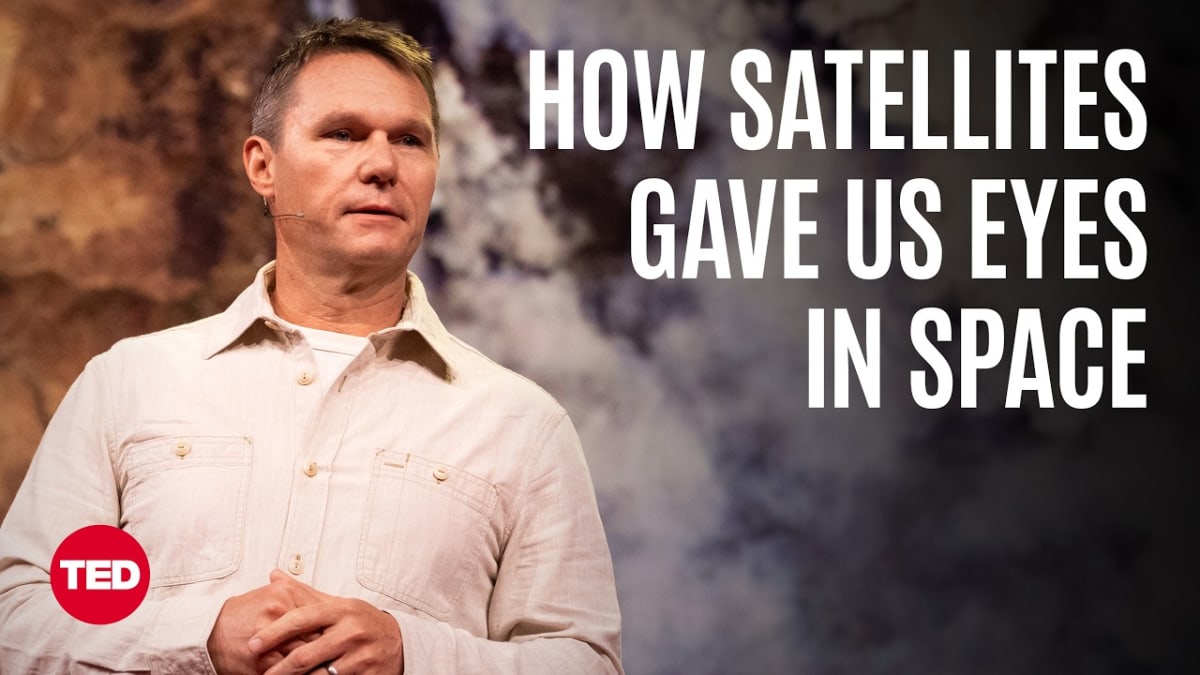
Space technologist Robbie Schingler cofounded a satellite company that captures images of the entire planet every single day. By pairing that constant stream of visual data with artificial intelligence, his team has created what he calls "planetary intelligence."
The system works like a global early warning network. Satellites capture changes happening across Earth's surface, from shifting coastlines to vanishing forests. AI analyzes those patterns to spot emerging threats that human eyes would never catch.
This isn't science fiction. The technology exists right now and is already tracking changes that signal coming crises. Think of it as giving Earth a health monitoring system that can detect problems before they become catastrophes.
Schingler presented his work at TED2026 in April, where he posed a crucial question to the audience. Can we close the gap between seeing a crisis coming and actually preventing it?
The Ripple Effect
The implications stretch far beyond disaster prevention. Farmers could prepare for droughts before crops fail. Coastal communities could reinforce defenses before storms intensify. Wildlife conservationists could intervene before habitats reach a tipping point.
This planetary intelligence transforms how we respond to environmental threats. Instead of reacting after damage occurs, we gain precious time to take protective action.
The technology makes visible what was previously invisible. Changes that unfold gradually over weeks or months become clear patterns when AI analyzes daily satellite images of the same locations.
What makes this breakthrough particularly hopeful is its timing. As climate challenges accelerate, we're gaining tools that match the scale of the problems we face.
The question now shifts from whether we can see threats coming to whether we'll act on what we see.
---
Based on reporting by TED
This story was written by BrightWire based on verified news reports.
Spread the positivity!
Share this good news with someone who needs it