Satellites Now Deliver Earth Images in Just 13 Minutes
Companies are racing to deliver satellite imagery in minutes instead of hours, transforming how governments and organizations respond to emergencies and changing events worldwide. The speed revolution means better disaster relief, faster news, and smarter decisions when every second counts.
Imagine ordering a photo from space and getting it faster than a pizza delivery.
That's exactly what happened at a California tech conference in January. Vantor, a satellite imagery company, captured a high-resolution picture of the venue from space and delivered it to attendees in just 13 minutes. The crowd watched as their building appeared on screen, photographed from orbit moments earlier.
This lightning-fast delivery represents a dramatic shift in how satellite companies operate. Just two years ago, government customers were happy waiting 90 minutes for images. Today, they're demanding delivery in under 10 minutes.
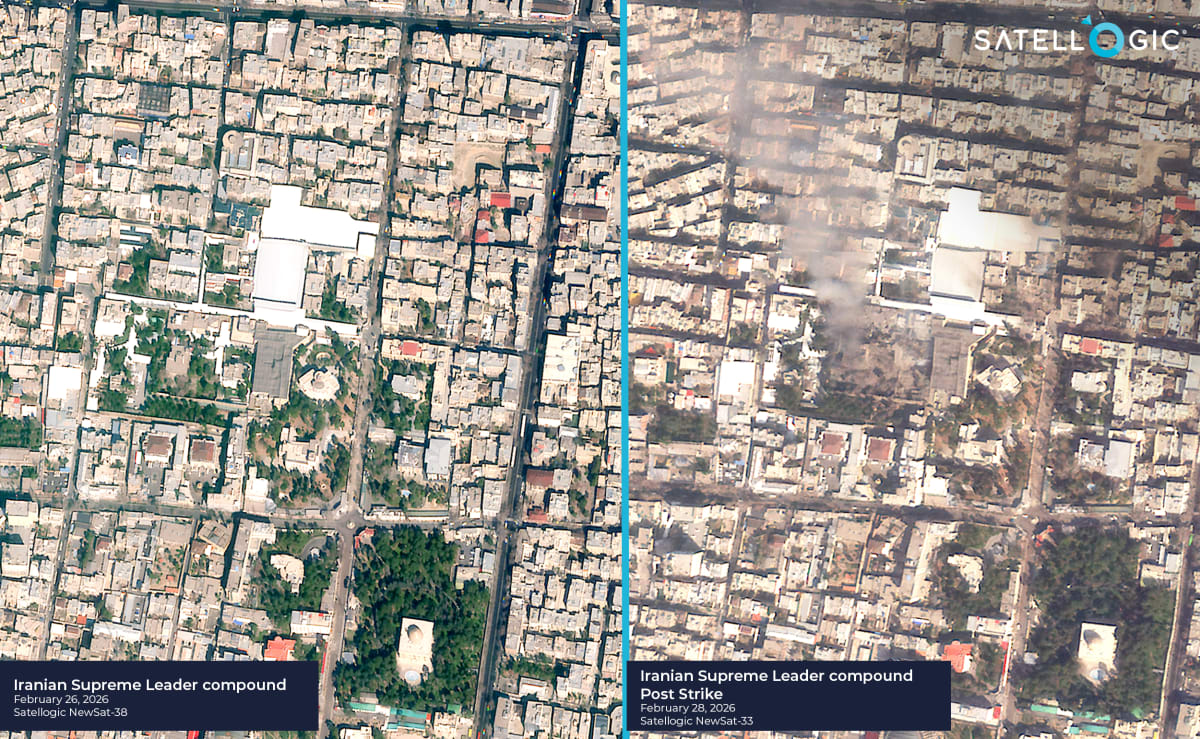
"This information is being used more and more to drive tactical decisions," says Emiliano Kargieman, CEO of satellite company Satellogic. From tracking wildfires to coordinating disaster relief efforts, speed can mean the difference between saving lives and losing them.
The global demand for rapid imagery has surged alongside conflicts and natural disasters. Companies like BlackSky, Planet, and Vantor are redesigning everything from satellites to ground stations to shave precious minutes off delivery times.
BlackSky's newest satellite started capturing images within hours of reaching orbit in early March. The company maintains constant radio contact with its satellites to confirm successful captures immediately, so operators know instantly whether they need to try again.
Vantor has cut delivery times by eliminating the traditional data journey. Instead of beaming images to a central hub, they process everything in the cloud near antenna stations. One customer now receives imagery in 11 to 15 minutes consistently.
The Ripple Effect
The race to deliver faster imagery is creating surprising benefits beyond emergency response. News organizations can report breaking stories with fresh satellite evidence. Environmental groups can spot illegal deforestation or fishing in near real time. Shipping companies can monitor their vessels continuously instead of waiting hours for updates.
Planet, which operates the largest fleet of Earth imaging satellites, is expanding its ground station network worldwide to reduce wait times. The company is also testing satellites that can talk to each other in orbit, eliminating the need to wait for ground station passes entirely.
Next year, Satellogic will launch satellites equipped with artificial intelligence that can analyze images in space. These smart satellites could automatically detect fires, floods, or unusual activity and send alerts to customers in minutes, not hours.
The technology means organizations can finally close the gap between seeing a problem and solving it. Firefighters could redirect resources as flames spread. Aid workers could identify the hardest-hit areas immediately after earthquakes. Military commanders could track developing situations in real time.
Every company acknowledges that faster delivery increases costs and complexity, but customers keep pushing for speed anyway.
From orbit to inbox in minutes, satellites are helping humanity respond to our fastest-moving challenges faster than ever before.
More Images



Based on reporting by SpaceNews
This story was written by BrightWire based on verified news reports.
Spread the positivity!
Share this good news with someone who needs it