Satellites Now Track Solar Panel Temps From Space
Chinese scientists developed a breakthrough method to accurately measure solar panel temperatures from satellites, potentially boosting solar energy efficiency worldwide. The innovation could help solar farms generate more power by identifying performance issues before they become problems.
Scientists just solved a puzzle that's been frustrating the solar industry for years: how to accurately measure the temperature of solar panels from space.
Researchers at China's Tsinghua University created a new way to use satellite data to pinpoint the exact temperature of individual solar panels across massive solar farms. This matters because panel temperature directly affects how much electricity they produce, and knowing these temperatures helps operators maximize power output.
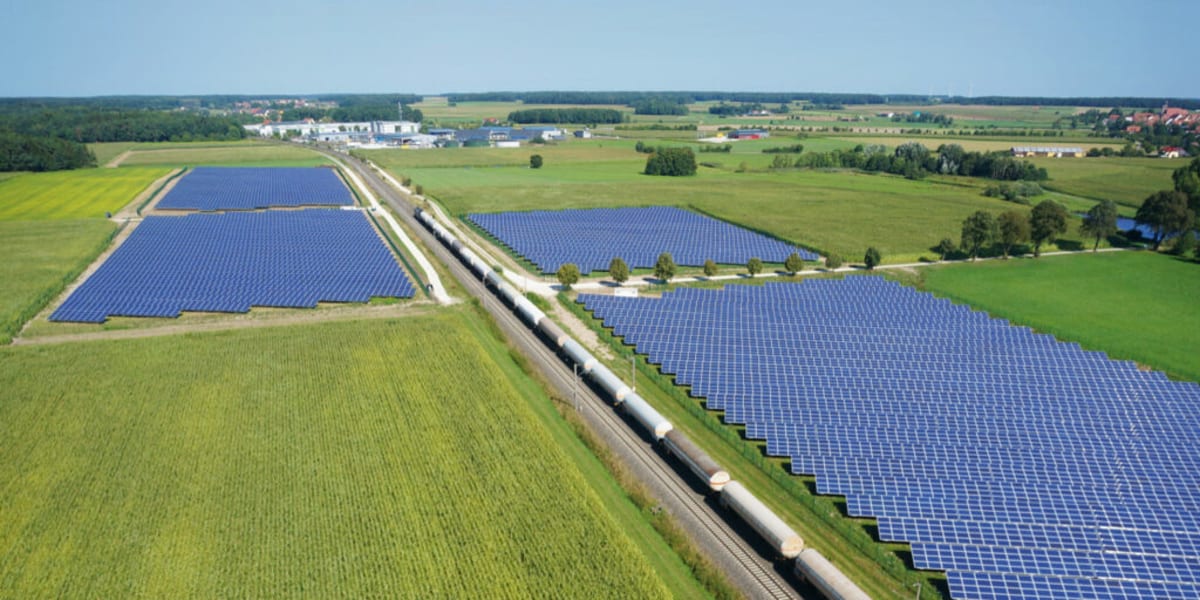
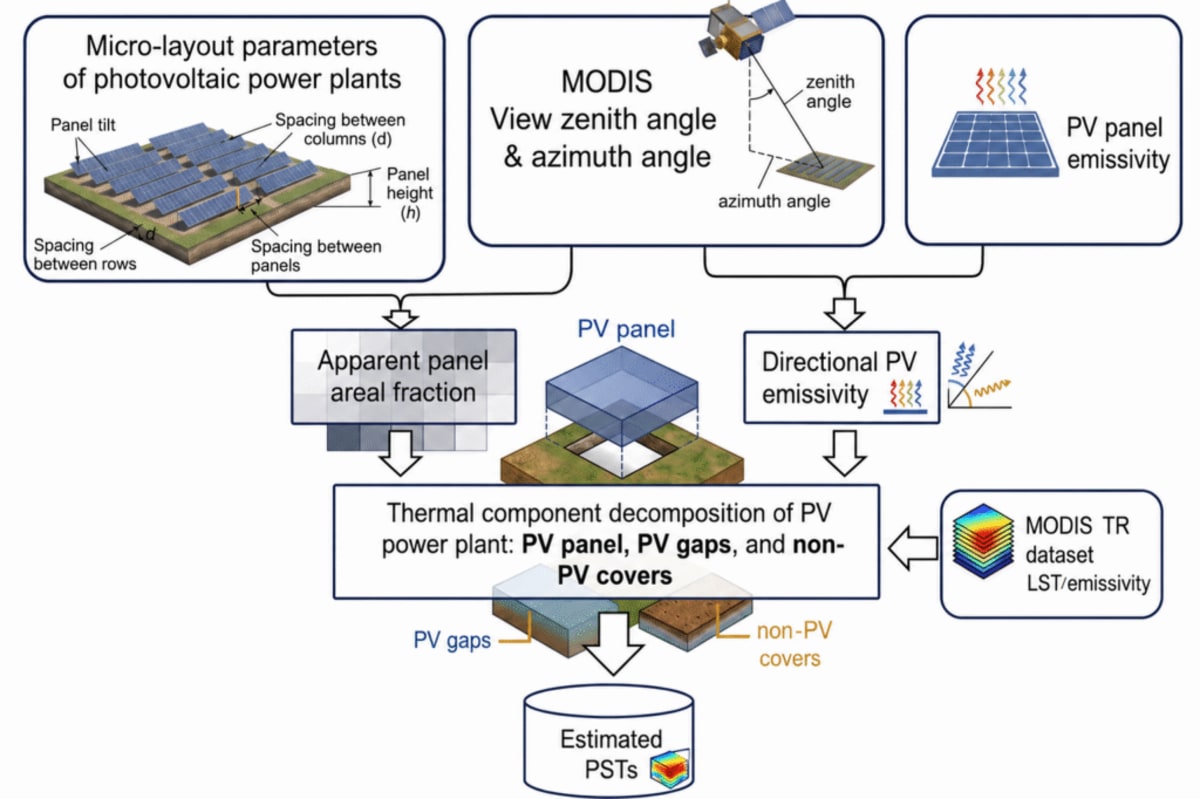
The challenge was trickier than it sounds. When satellites look down at solar farms, they see a mixed picture: panels, ground between the rows, access roads, vegetation, and bare soil all jumbled together. Traditional satellite measurements couldn't separate the panel temperature from everything else, leading to errors of up to 18 degrees Celsius.
The team's solution combines high-resolution images with a 3D model that accounts for panel angles, spacing, and even how the satellite views the farm. They also discovered something surprising: the biggest problem wasn't the complex geometry but the fact that solar panels don't radiate heat like normal surfaces do.
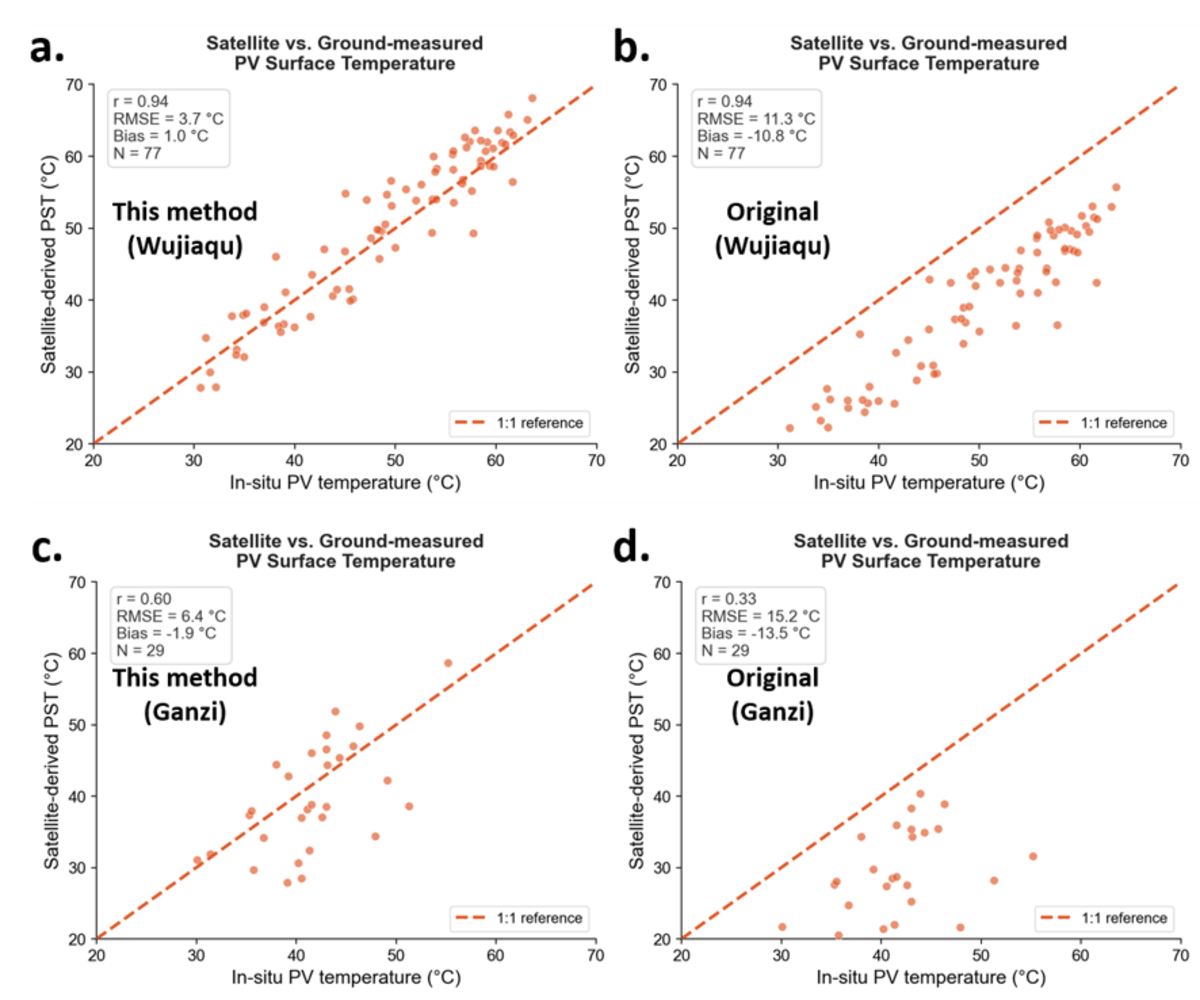
"If PV panels are treated as if they had the emissivity of a typical natural surface, the retrieved panel temperature shows a systematic cold bias of around 10 degrees Celsius," explained lead researcher Kun Yang. Getting this detail right was essential for accuracy.
The researchers tested their method at two solar farms in northwestern and southwestern China. The results were impressive: they reduced temperature measurement errors from nearly 19 degrees down to just 3.7 degrees in warm weather. This improvement translates to 3 to 5 percent better accuracy in predicting how much power the panels will generate.
The Ripple Effect spreads far beyond just better measurements. Solar energy already powers millions of homes worldwide, and this technology helps farms operate more efficiently without any new hardware. Operators can now spot underperforming panels from space and fix problems faster, squeezing more clean energy from existing installations.
The method works with NASA's existing Terra and Aqua satellites, meaning it could be deployed globally without launching new equipment. The team plans to create a worldwide database of solar panel temperatures that both researchers and energy companies can use.
There's still work ahead, particularly for winter conditions when shadows and snow complicate measurements. But Yang and his team are already developing solutions to handle these seasonal challenges and testing the approach on different types of solar farms, from fixed panels to sun-tracking systems.
This breakthrough means cleaner energy gets even more efficient, helping solar power compete better with fossil fuels and accelerate our transition to renewable energy.
More Images

Based on reporting by Google: solar power breakthrough
This story was written by BrightWire based on verified news reports.
Spread the positivity!
Share this good news with someone who needs it