Saudi Arabia: 55 Oryx and Gazelles Born in Royal Reserves
Two protected reserves in Saudi Arabia just celebrated 55 newborn Arabian oryx and sand gazelles, a sign that decades of conservation work is bringing endangered species back from the brink. The births show nature bouncing back in habitats once devastated by overhunting and desertification.
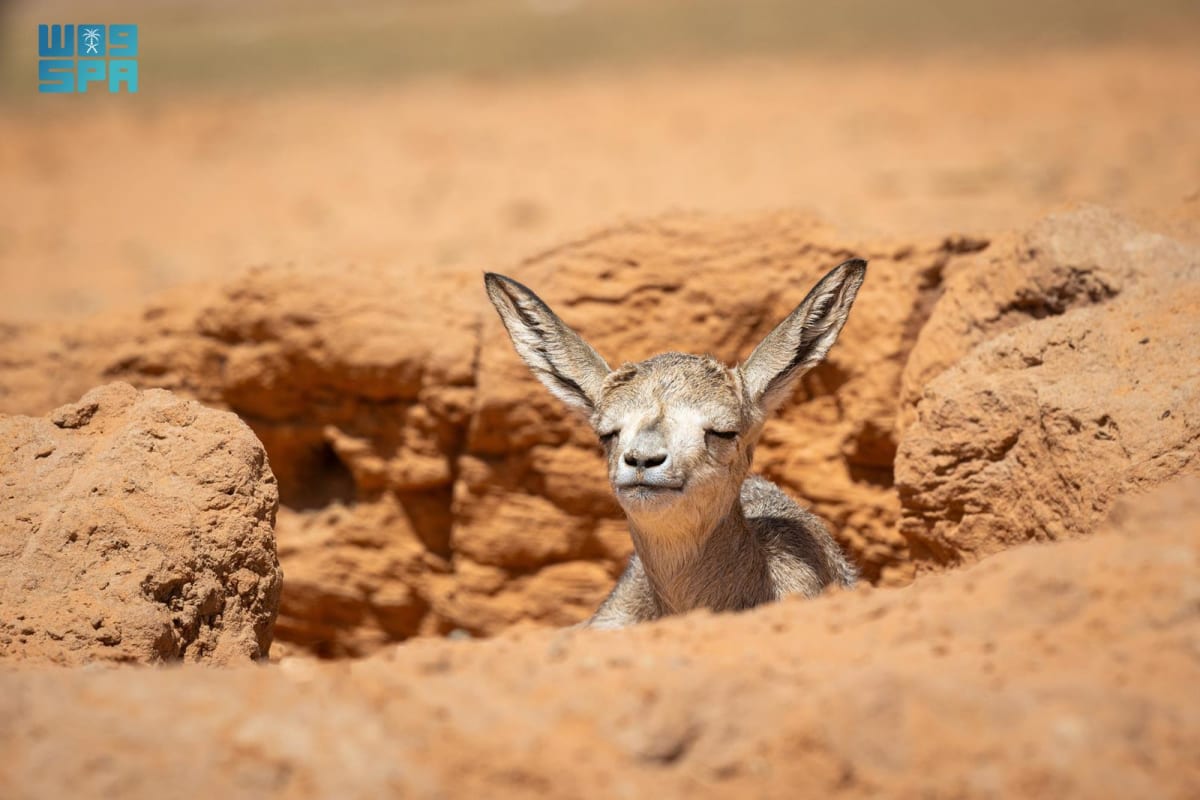
Fifty-five baby Arabian oryx and sand gazelles have been born in two Saudi royal reserves this spring, proof that dedicated conservation can reverse even severe wildlife decline.
The Imam Abdulaziz bin Mohammed Royal Reserve and King Khalid Royal Reserve welcomed nine Arabian oryx calves and 46 sand gazelle fawns by mid-April 2026. These births represent more than just cute baby animals; they signal the recovery of species that nearly vanished from Arabian deserts due to overhunting and habitat loss.
The larger reserve recorded 40 births while the smaller saw 15 new arrivals. Each one counts as a victory for biodiversity in a region where these graceful animals once roamed freely before human activity pushed them to the edge of extinction.
The Imam Abdulaziz bin Mohammed Royal Reserve Development Authority partnered with the National Center for Wildlife to create conditions where these animals could thrive again. Their approach focused on restoring natural habitats and carefully reintroducing animals at rates that let them adapt and reproduce naturally.
The Ripple Effect
The success in these reserves creates benefits beyond the animals themselves. Healthy wildlife populations indicate that entire ecosystems are healing, from the plants that feed the gazelles to the soil quality that supports desert vegetation.
These programs also preserve Saudi Arabia's natural heritage for future generations who might otherwise only see these magnificent creatures in photos. The reserves balance environmental protection with sustainable development, showing that conservation and progress can work together.
Natural reproduction rates have climbed as the reserves improved habitat stability. The animals now find adequate food, water, and shelter without constant human intervention, allowing instincts honed over millennia to guide their survival.
Arabian oryx, with their striking white coats and long straight horns, once became extinct in the wild before captive breeding programs brought them back. Every new calf represents generations of patient, careful work by conservationists who refused to let these species disappear forever.
Sand gazelles faced similar pressures from hunting and habitat destruction. Watching their populations grow in protected spaces proves that giving nature room to recover, combined with active stewardship, can undo decades of damage.
This spring's births mark progress in a long journey toward fully restored desert ecosystems where endangered species can sustain themselves without intensive human management.
Based on reporting by Google News - Wildlife Recovery
This story was written by BrightWire based on verified news reports.
Spread the positivity!
Share this good news with someone who needs it