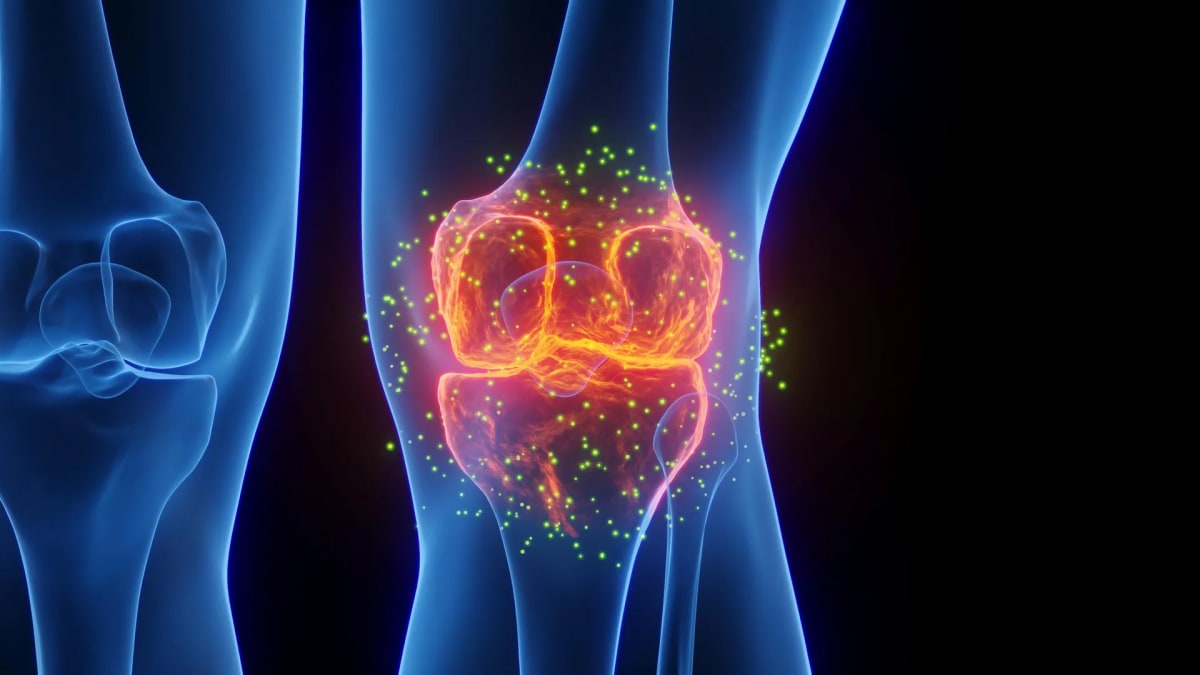
Saudi Arabia Approves First Lung Cancer Immunotherapy
Saudi Arabia just became the first country in the world to approve Anktiva, a groundbreaking immunotherapy for advanced lung cancer patients who've run out of options. The treatment gives new hope to patients whose disease has progressed despite standard therapies.
Patients fighting advanced lung cancer just gained a powerful new ally in their corner.
Saudi Arabia's Food and Drug Authority approved Anktiva this week, making it the first country globally to greenlight this innovative cancer therapy for non-small cell lung cancer (NSCLC). The therapy also received approval for high-risk bladder cancer, offering fresh hope to patients facing two of the most challenging cancer diagnoses.
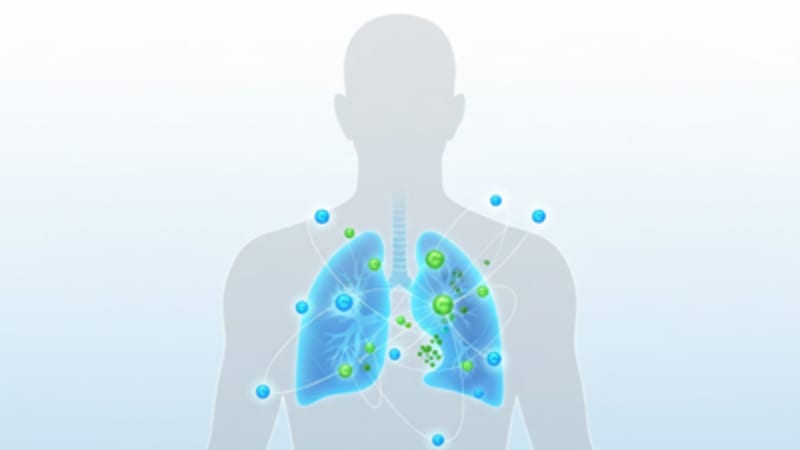
Anktiva works differently than traditional cancer treatments. Instead of directly attacking tumors, it trains the body's own immune system to recognize and destroy cancer cells while blocking cells that normally suppress immune responses.
For lung cancer patients, the treatment comes as a simple injection under the skin. Clinical trials showed promising survival improvements in patients whose cancer had progressed even after trying immune checkpoint inhibitors and other standard treatments.
The bladder cancer results proved equally encouraging. Patients in clinical trials achieved a 62% complete response rate, meaning their cancer disappeared entirely in nearly two-thirds of cases.
The Ripple Effect
This approval signals something bigger than one new treatment option. Saudi Arabia's decision aligns with its Health Sector Transformation Program, part of the ambitious Saudi Vision 2030 initiative to modernize healthcare across the country.
By being first to approve Anktiva for lung cancer, Saudi Arabia sets a global precedent that could accelerate access to innovative therapies worldwide. Other countries often look to early approvals when making their own regulatory decisions, potentially speeding up the path for patients elsewhere.
The conditional approval requires ongoing studies to confirm long-term benefits, but it immediately opens doors for patients who desperately need alternatives. For many facing advanced NSCLC, exhausting standard treatment options felt like hitting a wall.
Side effects remain manageable for most patients. Lung cancer patients primarily experience injection site reactions like redness or itching, along with chills, fatigue, and flu-like symptoms. These temporary discomforts offer a reasonable trade-off for patients seeking to extend their lives.
This moment represents years of research, clinical trials, and regulatory review finally translating into real-world access for people who need it most.
More Images


Based on reporting by Google: new treatment approved
This story was written by BrightWire based on verified news reports.
Spread the positivity!
Share this good news with someone who needs it