Saudi Arabia Building World's Largest Protein Plant
A Danish company is constructing the world's largest single-cell protein facility in Saudi Arabia, producing 300,000 tons of sustainable animal feed annually from natural gas. The breakthrough technology could transform food security in desert regions where traditional crops won't grow.
Saudi Arabia is building the world's largest facility to turn natural gas into protein, a game-changing solution for food security in regions where farming is nearly impossible.
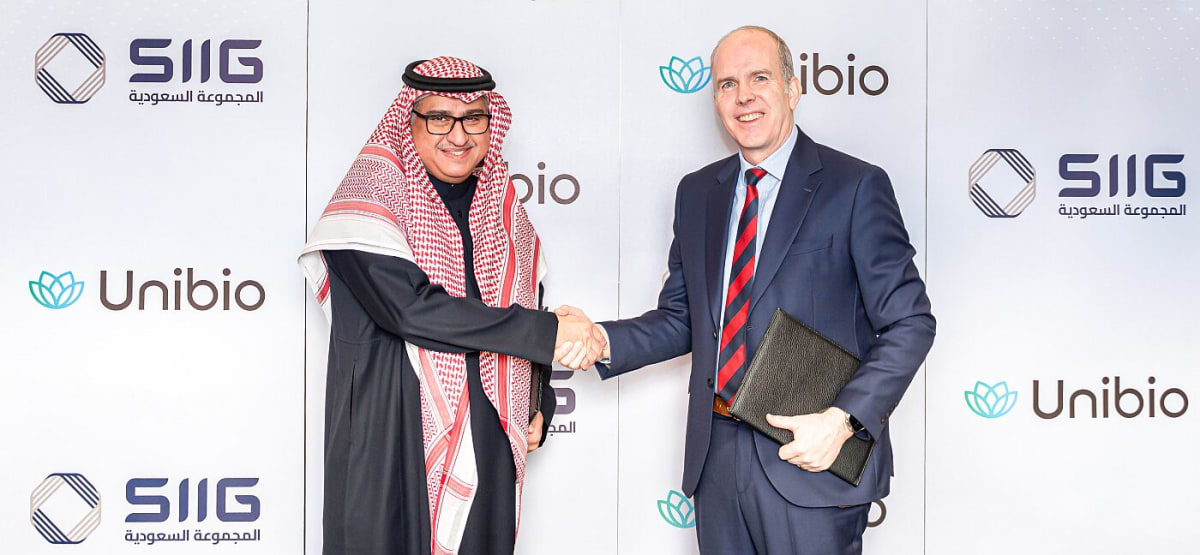
Danish firm Unibio is partnering with Saudi Industrial Development Group to construct a massive plant that will produce 50,000 tons of protein annually starting in 2028, with plans to scale up to 300,000 tons. The protein, called Uniprotein, will help Saudi Arabia reduce its heavy reliance on imported animal feed for livestock and aquaculture.
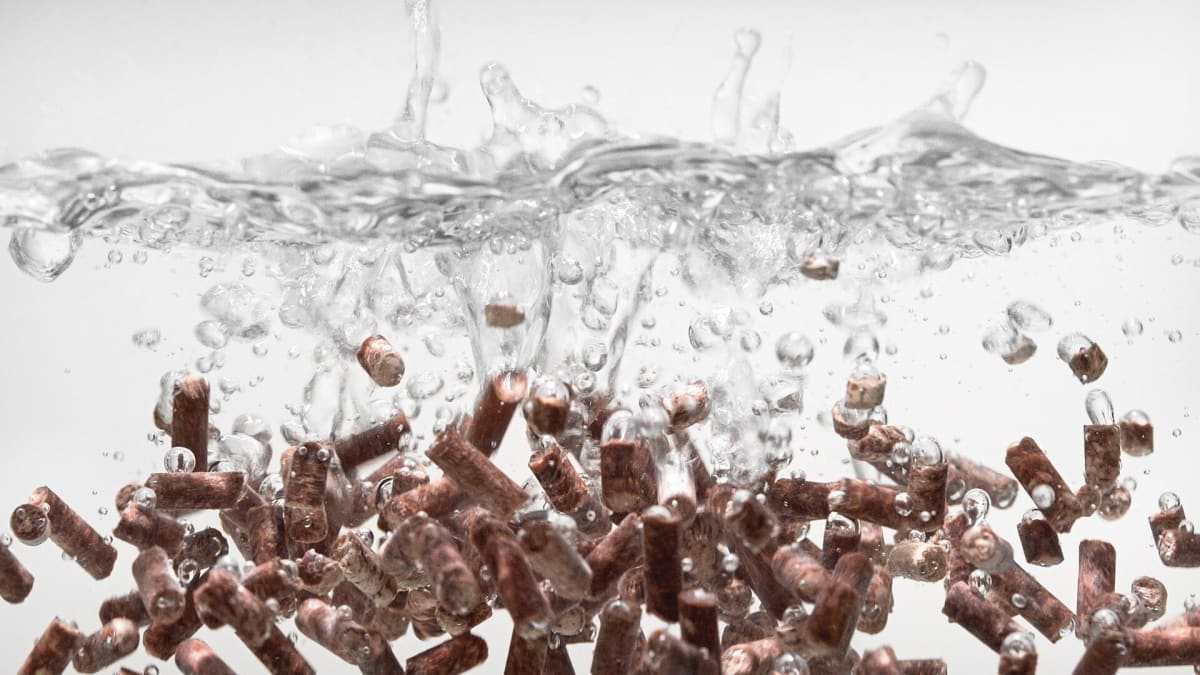
The technology works by feeding natural gas to special bacteria that convert it into high-quality protein. These microbes naturally metabolize methane and produce protein-rich biomass that can replace fishmeal in aquafeed and other animal feeds.
What makes this particularly exciting is where it can operate. The facility can be built in deserts or other harsh environments where traditional agriculture fails, opening new possibilities for food production in challenging climates.
The plant secured $70 million in investment and a guaranteed natural gas allocation from Saudi Arabia's Ministry of Energy. Construction begins in late 2026, with full commercial operations starting two years later.
The Ripple Effect
This breakthrough extends far beyond Saudi Arabia's borders. The kingdom currently imports almost 100% of its animal feed ingredients, making it vulnerable to global supply disruptions and price swings.
Gas fermentation offers major advantages over traditional sugar-based fermentation. The cost of carbon per ton of protein is three times lower using methane compared to glucose or dextrose, making the process more economical at scale.
The technology also runs continuously with less contamination risk, allowing longer production cycles and more consistent output. No agricultural land is needed, and the feedstock is abundant and non-edible.
Uniprotein is already approved for aquaculture in Saudi Arabia and animal feed across the European Union. Initial customers will be shrimp and carnivorous fish farmers in the Middle East and North Africa, with plans to export to Asia's growing aquaculture market.
The facility will provide a reliable, cost-competitive alternative to fishmeal, easing pressure on ocean fish stocks while supporting the region's rapidly expanding aquaculture industry. Future applications could even include pet food and eventually human nutrition.
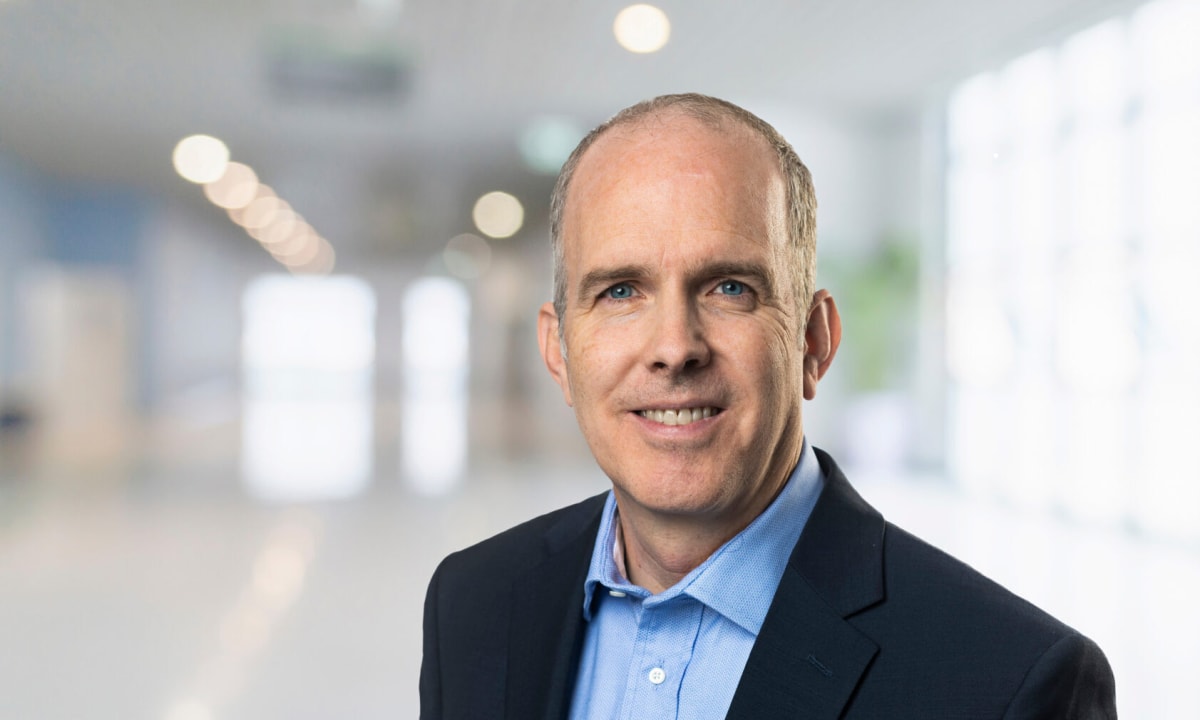
For CEO David Henstrom, a former Cargill executive, the project proves that sovereign wealth funds and family offices are betting big on alternative protein despite challenging market conditions. Recent conflicts in the region have only accelerated the timeline, highlighting how critical local food production has become for national security.
This isn't just about feeding fish or livestock anymore. It's about proving that innovative technology can create abundance in the world's most resource-constrained environments.
More Images
Based on reporting by Regional: saudi arabia development (SA)
This story was written by BrightWire based on verified news reports.
Spread the positivity!
Share this good news with someone who needs it