Saudi Arabia Invests $112B in Eco-Friendly Packaging by 2040
Saudi Arabia is transforming its packaging industry with a massive push toward biodegradable materials, backed by strict regulations and Vision 2030 goals. The Kingdom's eco-friendly packaging market is set to nearly double by 2034, proving sustainability and economic growth can thrive together.
Saudi Arabia is proving that environmental progress and economic ambition can move forward hand in hand. The Kingdom's biodegradable packaging market, valued at over $1 billion in 2025, is projected to reach $1.6 billion by 2034 as regulations and consumer demand reshape how products are wrapped, boxed, and delivered.
The transformation started with teeth. Since 2017, Saudi Arabia's Standards, Metrology and Quality Organization has required biodegradable materials in everything from shopping bags to food packaging films, making compliance non-negotiable for retailers and manufacturers.
The Ministry of Environment, Water and Agriculture doubled down in September 2025 with new rules requiring sustainable packaging across the entire fresh produce supply chain. These aren't suggestions; they're mandates that have turned eco-friendly packaging from a nice-to-have into standard practice.
The National Center for Waste Management now oversees 1,348 licensed entities and 145 active recycling plants. Investment in the sector is expected to hit 420 billion Saudi riyals, about $112 billion, by 2040.
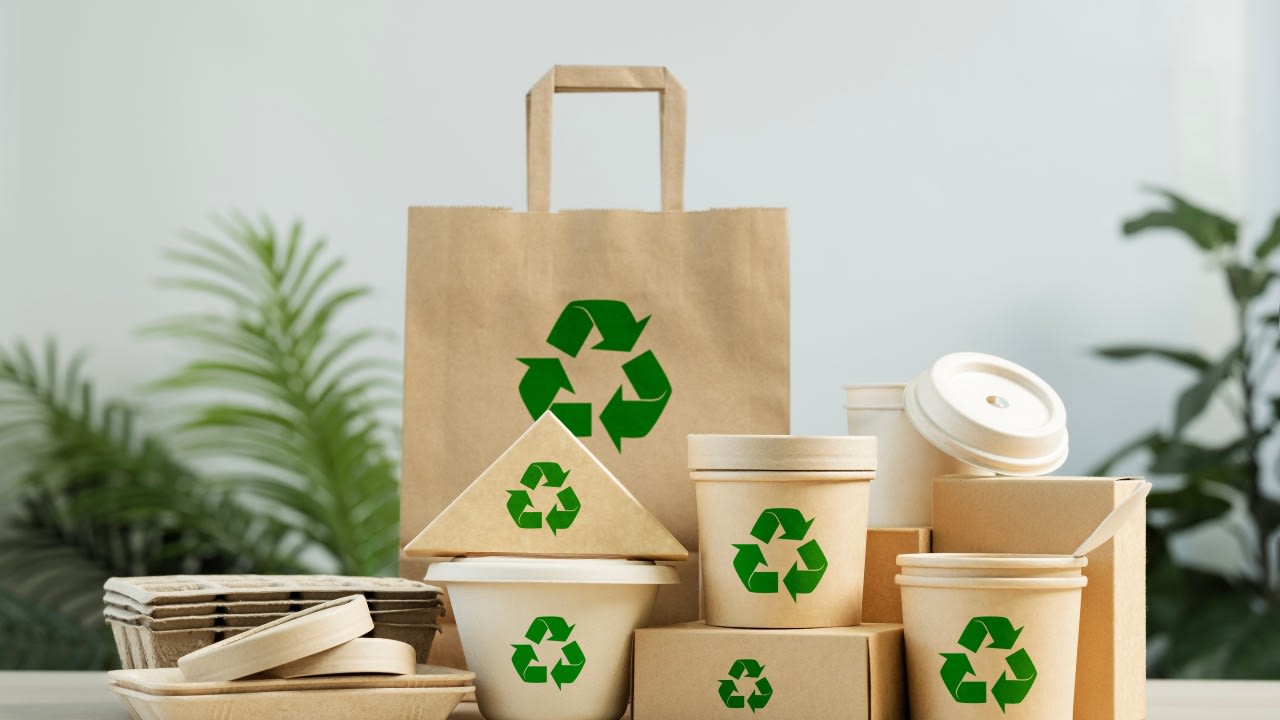
Food packaging leads the charge, capturing nearly 43% of the market. Saudi Arabia's 11,000 quick-service restaurants and booming $9.45 billion food delivery market are driving demand for compostable containers, kraft board boxes, and plant-based cups that break down naturally instead of sitting in landfills for centuries.
The Kingdom's megaprojects are setting premium standards that ripple across the industry. NEOM, the Red Sea Global development with 50 hotels across 16 islands, and AMAALA's luxury wellness resorts all require certified biodegradable packaging for food service, retail, and guest rooms.
Local manufacturers are stepping up too. Companies like Napco National produce biodegradable paper bags with plant-based coatings specifically for the Gulf food industry, while Al Bayader International makes compostable tableware from sugarcane bagasse right in Saudi Arabia, reducing import dependency and creating local jobs.
The Ripple Effect
What's happening in Saudi Arabia is creating waves across the Gulf region. When the Kingdom's largest retailers, hotel chains, and restaurants switch to biodegradable packaging, their regional partners and suppliers follow suit.
The shift is changing consumer expectations too. Shoppers in Riyadh, Jeddah, and Dammam increasingly expect sustainable packaging options, creating market pressure that reinforces government mandates. Young Saudis especially are choosing brands that align with environmental values, turning eco-friendly packaging from a regulatory requirement into a competitive advantage.
Paper-based packaging dominates with nearly 58% market share because it works with existing recycling infrastructure and costs less than newer bioplastic alternatives. That practical approach means the transition is affordable and scalable, not just aspirational.
The Northern and Central Region around Riyadh holds 28% of the market, anchored by manufacturing facilities and distribution networks that are making sustainable packaging accessible nationwide.
Saudi Arabia is showing the world that bold environmental regulations backed by serious investment can transform an entire industry in less than a decade.
More Images


Based on reporting by Regional: saudi arabia development (SA)
This story was written by BrightWire based on verified news reports.
Spread the positivity!
Share this good news with someone who needs it