Saudi Arabia Invests $1B to Rebuild Syria's Future
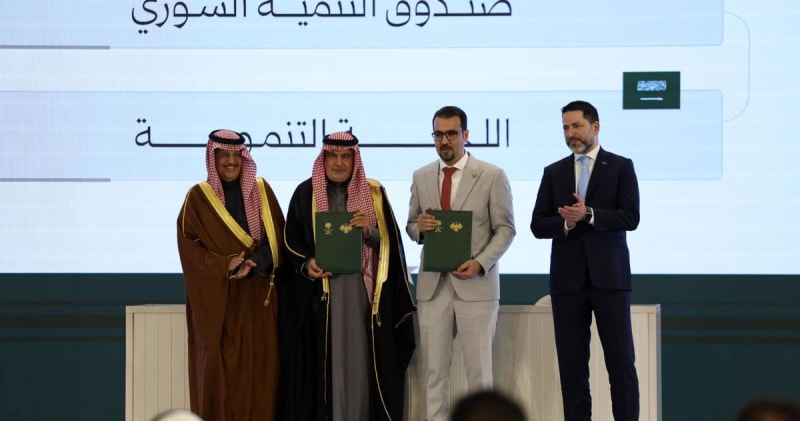
After years of devastating conflict, Syria just signed historic deals with Saudi Arabia to launch a new airline and overhaul the country's internet with a $1 billion investment. These agreements mark one of the biggest foreign investments in Syria since the civil war ended.
Syria is getting a fresh start with some powerful new partners by its side. On February 7, 2026, Syria and Saudi Arabia signed groundbreaking economic agreements that could transform daily life for millions of Syrians still recovering from years of war.
The centerpiece is SilkLink, a $1 billion telecommunications project led by Saudi telecom giant STC Group. The initiative will lay tens of thousands of kilometers of fiber optic cables across Syria, bringing modern internet connectivity to a country where basic digital services were devastated by conflict.
Reliable internet means Syrian businesses can finally compete in the digital economy. Students can access online education, families can connect with loved ones abroad, and entrepreneurs can launch the startups that will power Syria's recovery.
But the rebuild goes beyond fiber optics. Syria and Saudi Arabia are also launching a new joint low-cost airline to reconnect the country with regional and international destinations. Plans include redeveloping Aleppo's airport and building new international facilities capable of handling millions of passengers each year.
The timing reflects a major shift. When the US lifted remaining sanctions on Syria in late 2025, it cleared the path for exactly this kind of foreign investment. Saudi Arabia stepped up immediately with partnerships spanning aviation, telecommunications, water desalination and infrastructure.
Additional Saudi investment funds are earmarked for airport redevelopment and other major projects. Private sector money is flowing in too, signaling confidence that Syria can rebuild and rejoin the regional economy.
The Ripple Effect
These deals could create thousands of jobs in construction, technology and aviation sectors where employment opportunities have been scarce. Improved connectivity means Syrian doctors can access telemedicine training, farmers can research better techniques online, and remote workers can earn income from international clients.
Reconnecting Syria's airports will reunite families separated by war and allow Syrian businesses to access regional markets again. Tourism could eventually return to historic sites like Aleppo's ancient souks, bringing economic benefits to local communities.
The telecommunications overhaul positions Syria as a potential digital bridge between Asia and Europe, which could attract tech companies and create a new generation of high-skilled jobs. Young Syrians who grew up during the conflict will finally have the tools to build careers and contribute to their country's future.
Experts caution that turning these agreements into reality will take time and require overcoming political and bureaucratic challenges. But after more than a decade of destruction, Syrians now have something they haven't had in years: concrete plans backed by serious investment.
For a country that's seen so much loss, the message is clear: rebuilding is possible when neighbors invest in each other's success.
More Images




Based on reporting by Regional: saudi arabia development (SA)
This story was written by BrightWire based on verified news reports.
Spread the positivity!
Share this good news with someone who needs it