Saudi Arabia Invests $6.5B in Global Health Projects
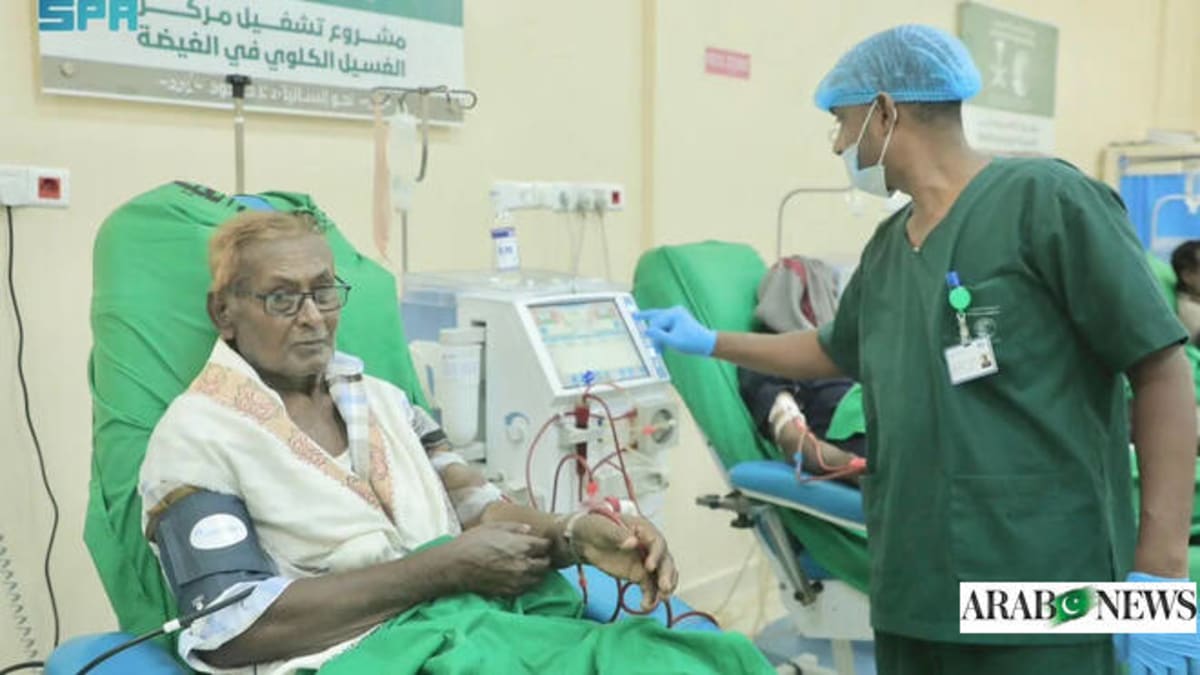
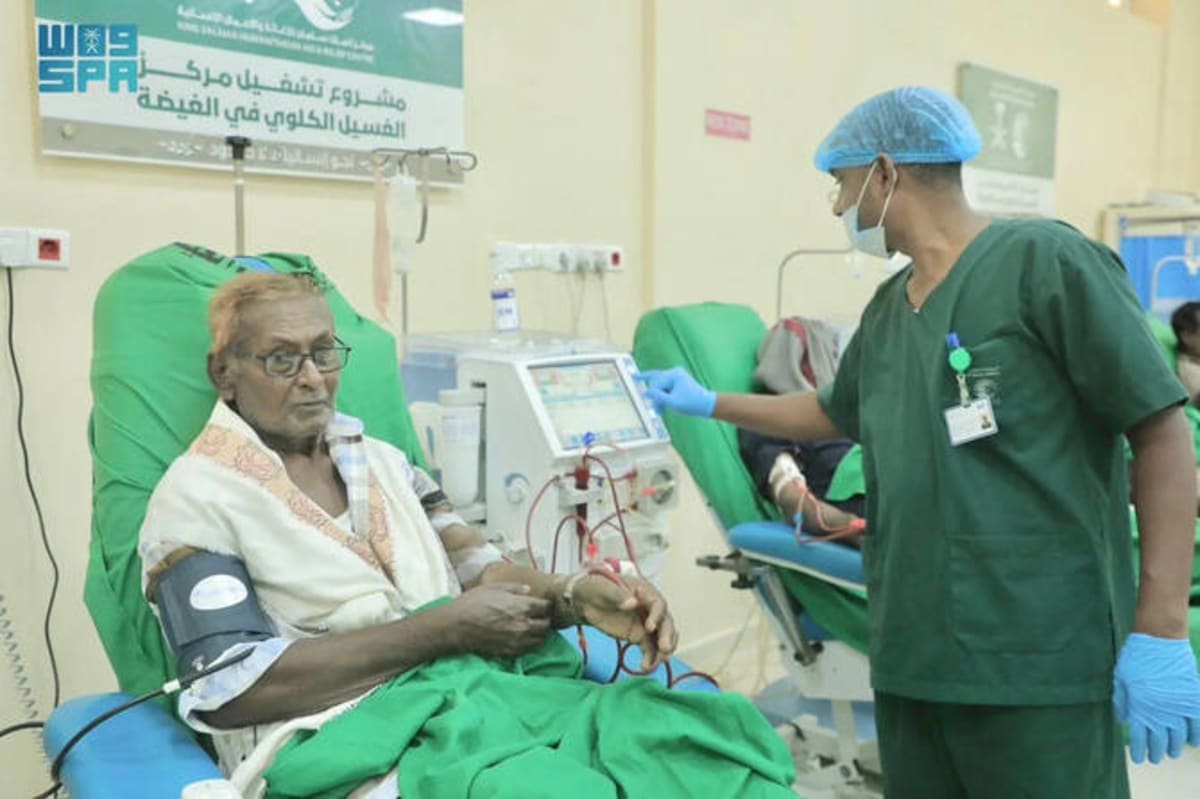
Saudi Arabia has implemented over 2,200 health projects worldwide, investing more than $6.4 billion to combat disease and restore dignity to vulnerable communities. From separating conjoined twins to fighting polio, the Kingdom's humanitarian programs are changing lives across 113 countries.
Saudi Arabia has quietly become one of the world's most active supporters of global health, spending $6.5 billion on 2,247 projects that bring medical care to people who need it most.
The Kingdom's aid agency, KSrelief, has launched programs that sound like they're straight from a medical miracle playbook. The Saudi Noor Volunteer Program fights blindness in underserved regions. The Nabd Program provides heart surgeries to children who otherwise couldn't afford them. The Sama'a Program gives deaf children cochlear implants and the chance to hear their parents' voices for the first time.
Perhaps most remarkable is the Saudi Conjoined Twins Program, which has successfully separated 68 sets of twins since 1990. The program has reviewed 157 cases from 28 countries across five continents, giving families hope when they had none.
During the COVID-19 pandemic, KSrelief stepped up to support overwhelmed health systems worldwide, delivering essential medical equipment and supplies to countries struggling to protect their citizens. The agency also provides prosthetic limbs to people injured in conflict zones like Yemen and Syria, helping them reclaim mobility and independence.
This year, the Kingdom signed a $300 million agreement with the World Health Organization to help eradicate polio in Pakistan and Afghanistan, two of the last countries where the disease still threatens children. The initiative will strengthen prevention programs and build better health systems in regions on the verge of elimination.
Since KSrelief's founding in 2015, it has implemented more than 4,200 humanitarian projects totaling $8.35 billion across countries including Sudan, Somalia, Iraq, Indonesia, Lebanon, Tanzania, Bangladesh, and Syria.
The Ripple Effect
When a child in Bangladesh receives a heart surgery or a Yemeni farmer gets fitted for a prosthetic leg, the impact extends far beyond one person. Families stay together instead of being torn apart by medical debt. Children go to school instead of begging on streets. Communities gain productive members who contribute instead of struggle.
Saudi Arabia's approach treats healthcare as a fundamental human right that transcends borders, focusing on restoring dignity and reducing suffering wherever it's found.
One successful surgery, one restored sense, one working limb at a time, these programs are proving that global health investment creates ripples of hope that spread farther than anyone imagined.
More Images
Based on reporting by Regional: saudi arabia development (SA)
This story was written by BrightWire based on verified news reports.
Spread the positivity!
Share this good news with someone who needs it