Saudi Arabia Launches First Arab Satellite on Artemis II
Saudi Arabia just made history by becoming the first Arab nation to join NASA's Artemis program, launching its homegrown Shams satellite toward the moon. The breakthrough satellite will monitor space weather to protect critical systems like communications and aviation back on Earth.
Saudi Arabia just became the first Arab nation to send a satellite on a lunar mission, launching its homegrown Shams spacecraft aboard NASA's historic Artemis II flight.
The Saudi Space Agency confirmed successful deployment and communication with Shams as it lifted off on April 5, 2026, riding alongside four astronauts on humanity's first crewed journey near the moon in over 50 years. This marks a giant leap for the Kingdom's space ambitions and a proud moment for the entire Arab world.
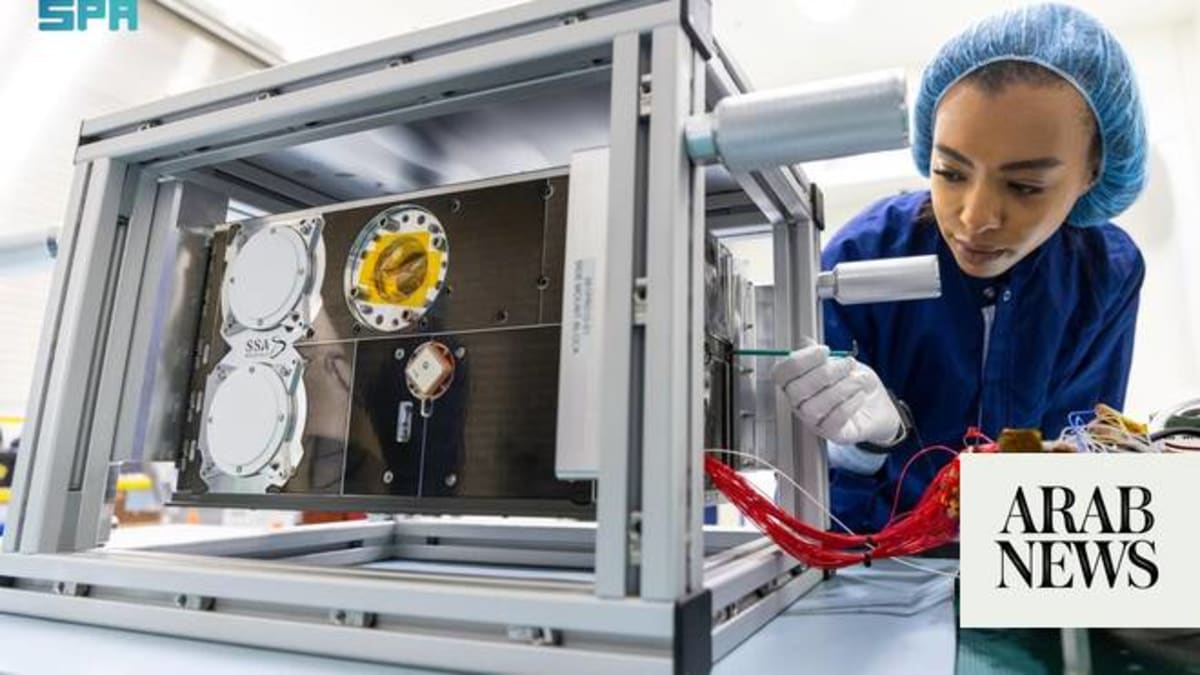
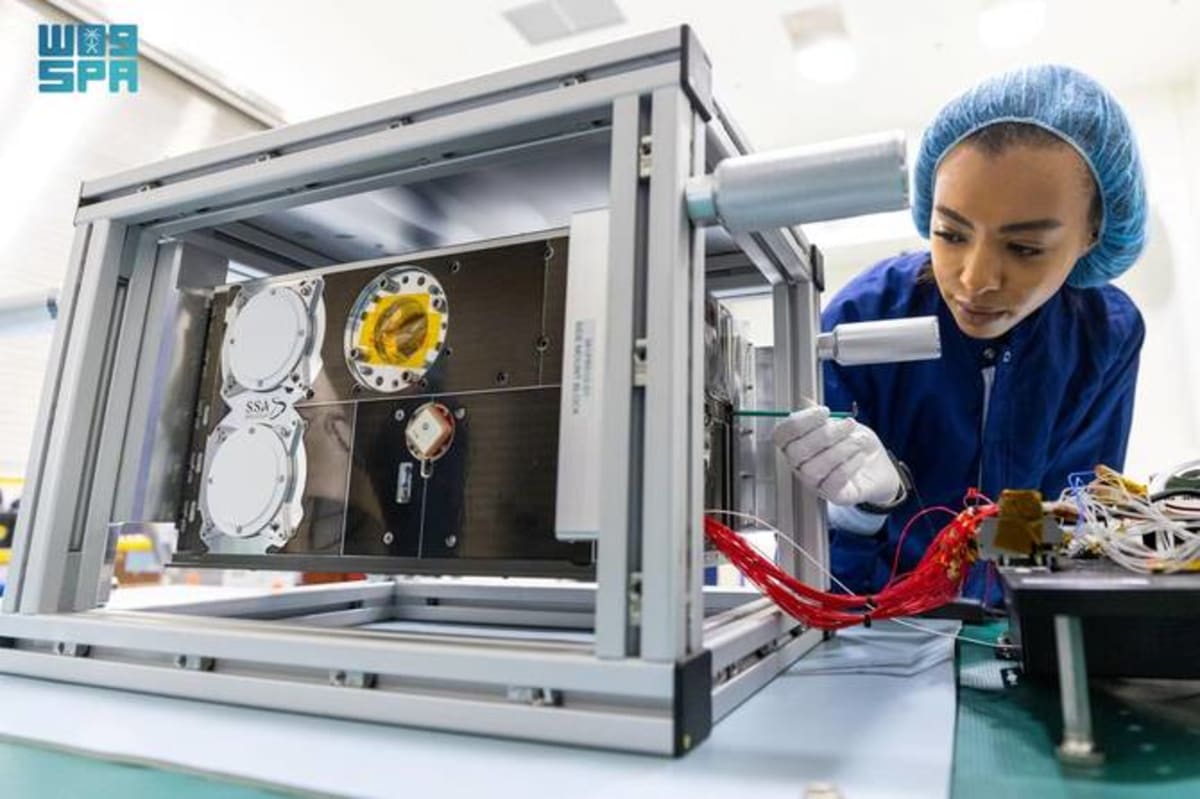
Shams wasn't just hitching a ride. The satellite will orbit Earth in a sweeping path ranging from 500 to 70,000 kilometers above the planet, perfectly positioned to study space weather and solar radiation that can disrupt life on the ground.
Saudi engineers designed and built the entire satellite domestically, a testament to the growing technical talent in the Kingdom. The project advanced under Vision 2030, Saudi Arabia's ambitious plan to diversify its economy and develop cutting-edge industries beyond oil.
The mission tracks four critical areas: space radiation, solar X-rays, Earth's magnetic field, and high-energy solar particles. Understanding these forces helps protect everything from cell phone networks to airplane navigation systems, making daily life safer and more reliable for people worldwide.
The Ripple Effect
This achievement ripples far beyond one satellite launch. By joining the Artemis program, Saudi Arabia gains a seat at the table shaping humanity's return to the moon and eventual journey to Mars.
The homegrown development proves that nations can build advanced space capabilities with the right investment in education and infrastructure. Other countries in the region now have a blueprint showing what's possible when you prioritize science and technology.
Dr. Mohammed bin Saud Al-Tamimi, acting CEO of the Saudi Space Agency, celebrated the milestone as proof of the Kingdom's scientific advancement. The data Shams collects will be shared internationally, helping researchers worldwide better predict dangerous solar storms before they knock out power grids or satellites.
Jameel bin Ahmed Al-Ghamdi, who leads the National Industrial Development and Logistics Program, emphasized how building Shams locally created jobs and expertise that will fuel future projects. The satellite represents more than space exploration; it's an investment in human potential and regional innovation.
As Shams begins its mission monitoring the sun's temperamental behavior, it carries the hopes of a region stepping boldly into the final frontier.
More Images

Based on reporting by Regional: saudi arabia development (SA)
This story was written by BrightWire based on verified news reports.
Spread the positivity!
Share this good news with someone who needs it