Saudi Arabia Opens 3.6M Visits to Ancient Tourism Sites
Saudi Arabia has transformed from a destination travelers only knew through photos into one of the world's most exciting emerging travel spots, with ancient AlUla and historic Diriyah welcoming millions of visitors. The kingdom's Red Sea coastline now hosts a new generation of luxury eco-resorts designed around protecting nature while sharing it with the world.
A decade ago, most travelers only knew Saudi Arabia through photographs of endless deserts and ancient ruins. Today, those same landscapes are welcoming millions of visitors who are discovering what the kingdom has been quietly building.
At the 2026 World Travel Awards, Saudi Arabia swept nominations across luxury hotels, cultural destinations, and sustainable tourism projects. The recognition celebrates what's no longer just a plan but a reality unfolding across the country's most remarkable landscapes.
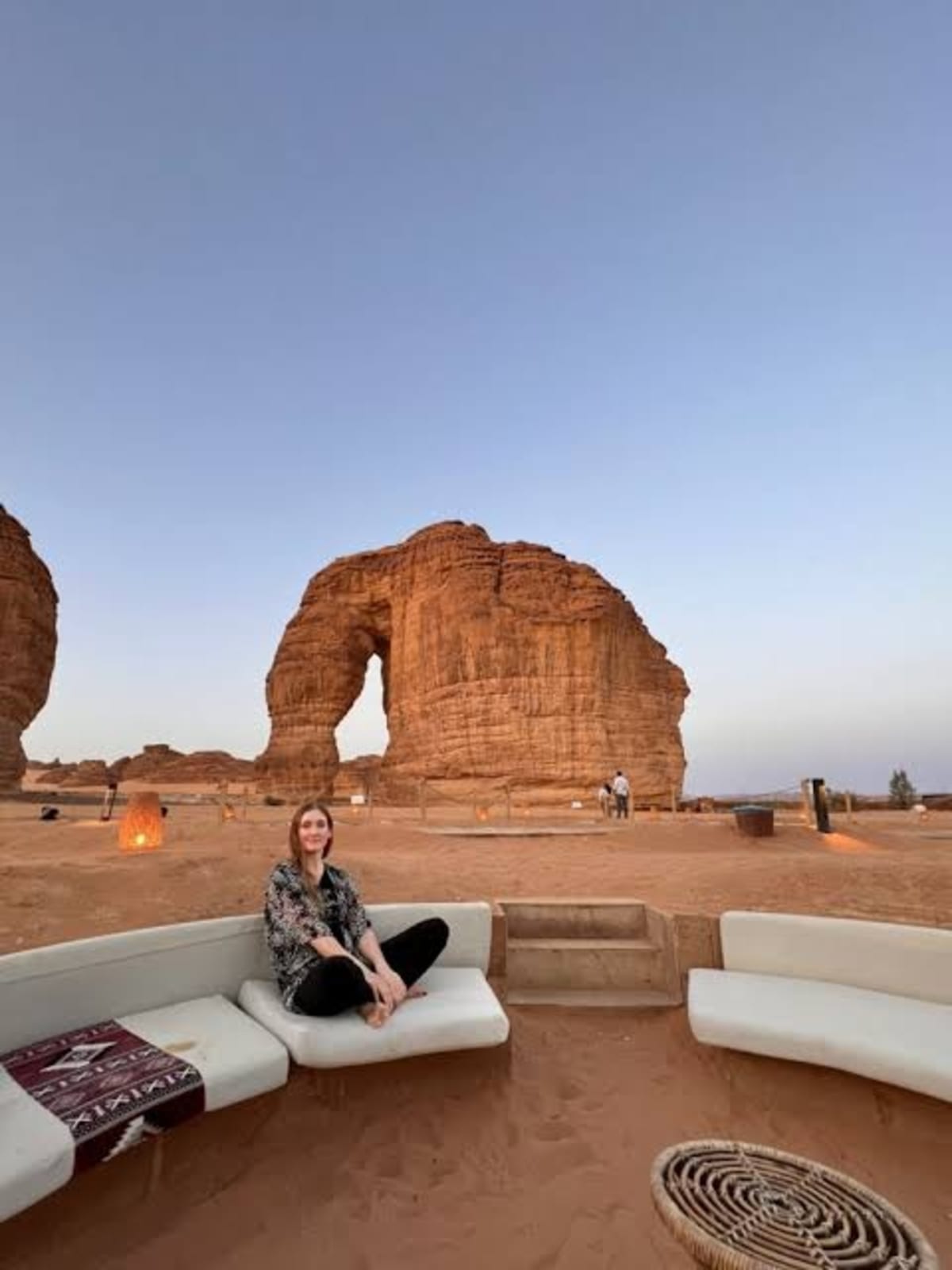
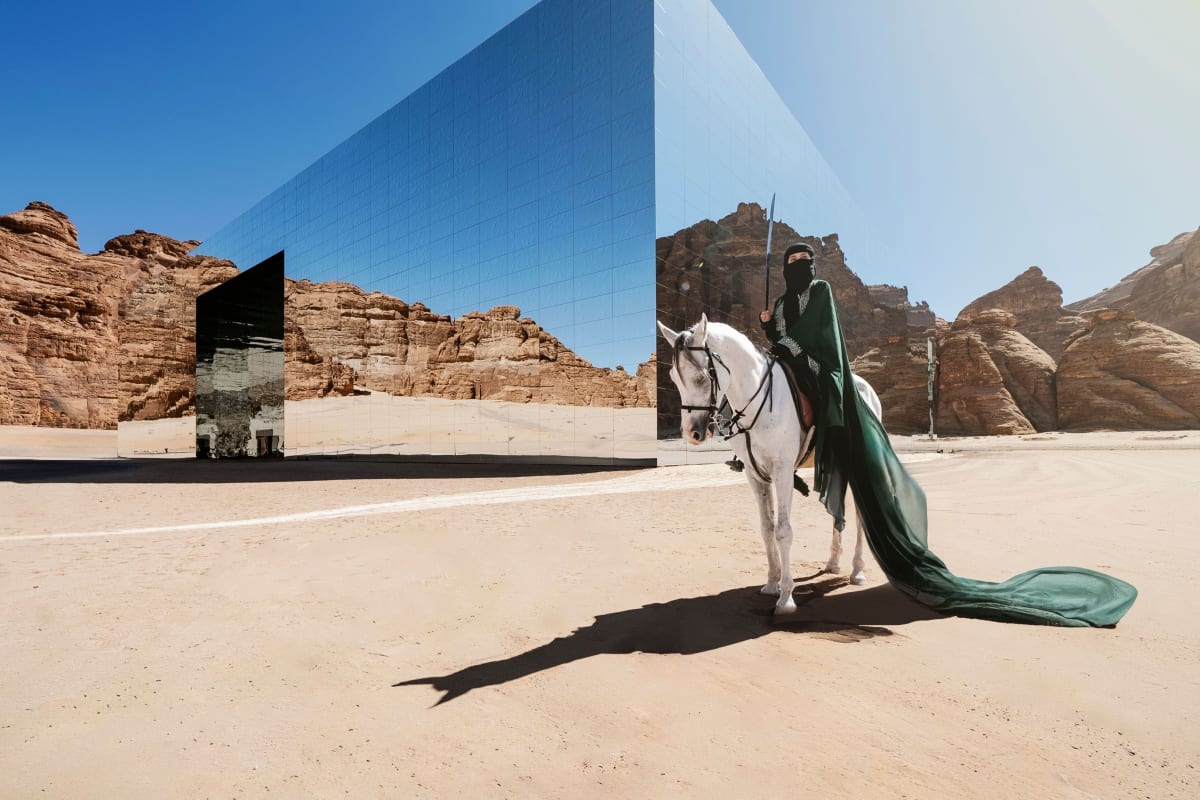
AlUla stands at the heart of this transformation. Set among sandstone cliffs and archaeological treasures dating back thousands of years, this cultural destination has won Middle East's Leading Cultural Tourism Project three years running from 2023 to 2025.
The ancient Nabataean tombs now share the desert valleys with intimate hotels and restaurants that respect rather than overshadow the landscape. It's a place where history gives visitors something money can't manufacture: a genuine sense of belonging to something timeless.
Just outside Riyadh, Diriyah tells a different story with equally powerful results. The historic home of the first Saudi state, including the mud-brick UNESCO World Heritage Site of At-Turaif, recorded over 3.6 million visits by the end of 2025.
The development brings together hotels, galleries, restaurants, and public spaces that honor the past while creating something entirely new. The Bab Samhan, a Luxury Collection Hotel, represents just one piece of this cultural revival.
The Ripple Effect
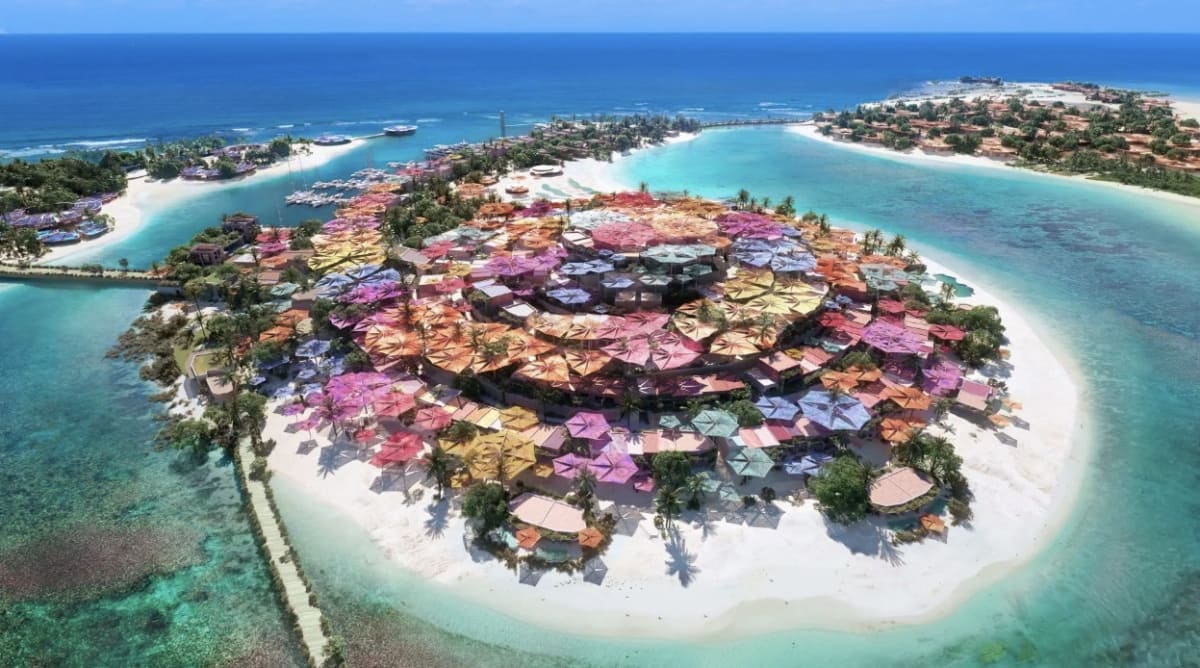
Perhaps the most dramatic shift is happening along the Red Sea coast. What was once largely unknown to international leisure travelers is becoming one of the world's most extraordinary low-impact luxury destinations.
Seven new resorts competed for Middle East's Leading New Resort in 2026 alone, including InterContinental The Red Sea Resort, Four Seasons Resort at Shura Island, and The Red Sea EDITION. Each was designed around a revolutionary idea: that the natural environment should be the attraction, not something viewed through hotel windows.
Coral reefs, volcanic landscapes, and crystal-clear waters now host resorts committed to protecting the ecosystems that make them special. It's tourism that asks how to give back to nature while experiencing it.
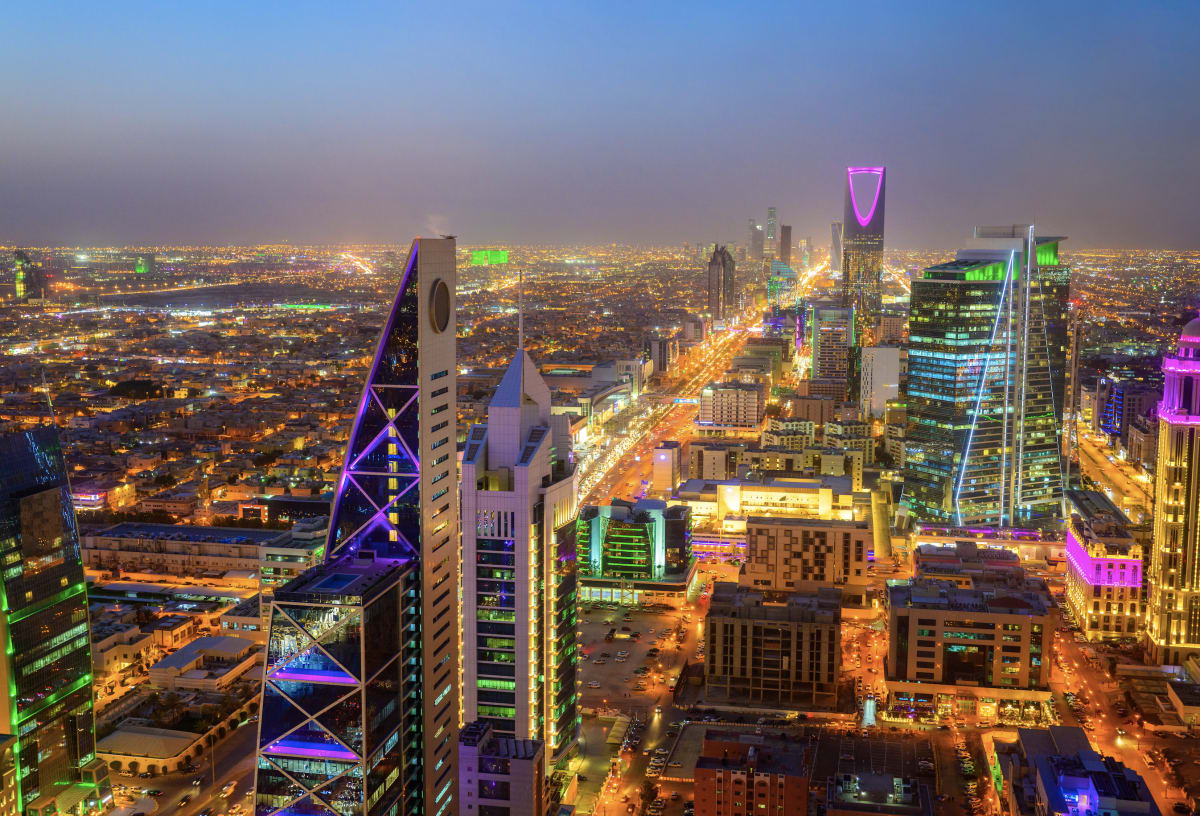
The kingdom's cities are evolving too. Riyadh has emerged as one of the Middle East's most dynamic capitals, nominated for Leading Business Travel Destination alongside Dubai and Abu Dhabi.
Jeddah offers its own appeal with the historic Al-Balad district and Red Sea waterfront drawing visitors to galleries, restaurants, and cultural experiences. Both cities now feature hotel collections that would have seemed impossible just years ago.
Saudi Arabia's greatest asset might be its variety. The country offers deserts, mountains, ancient sites, coral reefs, and diverse coastlines that let every visitor find their own version of discovery.
More Images
Based on reporting by Regional: saudi arabia development (SA)
This story was written by BrightWire based on verified news reports.
Spread the positivity!
Share this good news with someone who needs it
%2Fhttps%3A%2F%2Ftf-cmsv2-smithsonianmag-media.s3.amazonaws.com%2Ffiler_public%2F75%2F34%2F75342ac4-0f4b-4563-a63d-3012f0feae31%2Fgettyimages-2293659629.jpg)