Saudi Arabia Plants 1 Million Native Species in AlUla Desert
Saudi Arabia is transforming the ancient AlUla desert by planting one million native plants to restore ecosystems and create a model for sustainable tourism. The project combines environmental restoration with eco-friendly travel experiences in one of the kingdom's most historic regions.
The ancient desert landscape of AlUla is getting a massive green makeover as Saudi Arabia plants one million native species across the region. This groundbreaking project turns environmental restoration into a blueprint for sustainable tourism that other desert regions could follow.
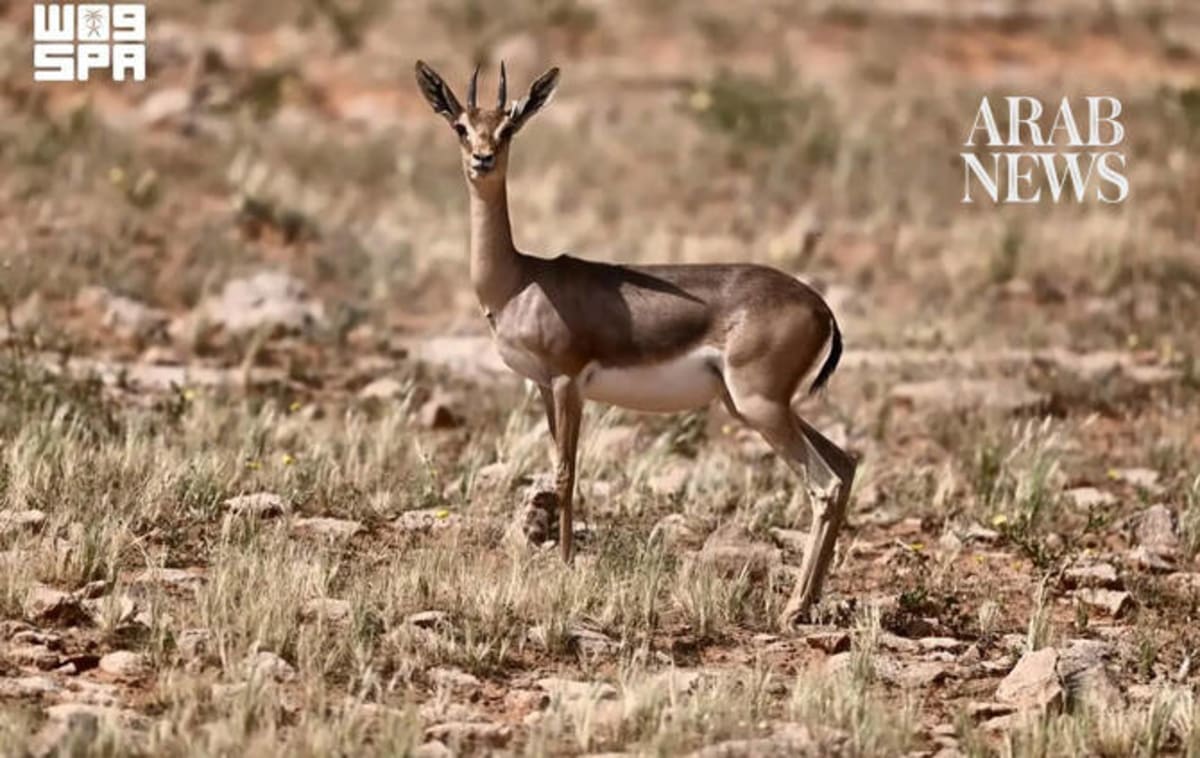
The Royal Commission for AlUla is leading the initiative in northwestern Saudi Arabia, where centuries of climate change and human activity have degraded the natural environment. Native plants perfectly suited to harsh desert conditions are being reintroduced to stabilize soil, prevent erosion, and create habitats for local wildlife.
AlUla already draws visitors to its stunning archaeological sites, including the ancient Madain Saleh. Now the region is adding botanical gardens, wildlife sanctuaries, and nature trails where tourists can explore restored desert ecosystems while learning about conservation.
The project supports Saudi Arabia's broader Saudi Green Initiative, launched by Crown Prince Mohammed bin Salman to combat climate change and increase green cover across the kingdom. By focusing on native species that thrive naturally in desert conditions, the restoration creates a resilient ecosystem that can sustain itself for generations.
The Ripple Effect
The million plant initiative is changing how the world thinks about desert tourism. Eco-conscious travelers now have a destination that combines rich cultural heritage with serious environmental commitment, proving that preservation and tourism can grow together.
The project aligns with United Nations Sustainable Development Goals for climate action and biodiversity preservation. Green spaces are being designed to enhance visitor experiences while protecting the land, creating opportunities for eco-tourism tours, nature walks, and wildlife safaris.
Local flora restoration means more than prettier landscapes. These native plants create entire ecosystems that support wildlife, improve air quality, and demonstrate how traditional knowledge about desert species can solve modern environmental challenges.
As AlUla transforms into a premier sustainable destination, it shows other arid regions a path forward that honors natural heritage while welcoming the world.
Based on reporting by Regional: saudi arabia development (SA)
This story was written by BrightWire based on verified news reports.
Spread the positivity!
Share this good news with someone who needs it