Saudi Arabia Plants 1 Million Trees in AlUla Desert
A historic desert region in Saudi Arabia has transformed into a thriving ecosystem after planting one million native trees and shrubs. The massive reforestation effort supports wildlife, creates jobs, and positions AlUla as a model for sustainable tourism in arid climates.
The ancient desert landscape of AlUla, Saudi Arabia, is turning green after a successful mission to plant one million native trees and shrubs across its valleys and plains.
The ambitious reforestation project, part of Saudi Arabia's Green Initiative, carefully selected indigenous species that naturally thrive in the harsh Arabian Peninsula climate. Specialized nurseries nurtured each plant before transplanting them across heritage sites and nature reserves throughout the region.
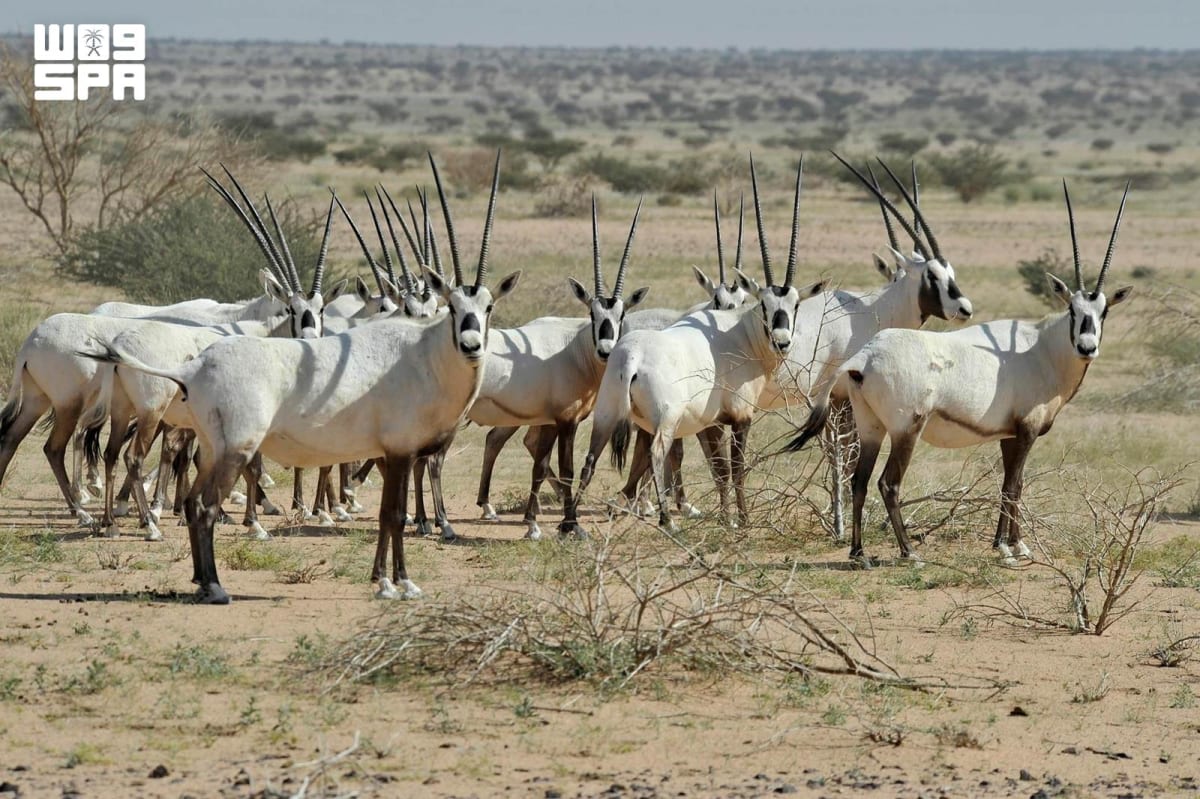
The transformation goes far beyond aesthetics. Wildlife that had disappeared due to environmental stress is now returning as the new vegetation provides food and shelter, creating ecological corridors that allow animal populations to move and grow throughout the area.
Local communities are reaping direct benefits from the green revolution. The project has generated jobs in nursery management, planting operations, and ongoing landscape maintenance, while educational programs teach residents about native species and sustainable land practices.
Advanced technology keeps the million plants thriving in one of Earth's most challenging environments. Water-efficient irrigation systems using recycled water sources minimize waste, while sophisticated soil sensors monitor moisture and nutrients to ensure each plant gets exactly what it needs to flourish.
The greening of AlUla supports Saudi Arabia's national goals to reduce carbon footprints and combat desertification. By increasing vegetation density, the project naturally moderates local climate conditions while sequestering carbon from the atmosphere.
The Ripple Effect
Tourism in AlUla is evolving alongside its ecosystem. Visitors now explore lush valleys that once stood barren, experiencing how ancient heritage sites gain new life when surrounded by native greenery. This sustainable approach to tourism shows respect for the desert's delicate balance while offering immersive nature experiences that educate international guests about ecological restoration.
The success in AlUla demonstrates that even the most fragile desert environments can be revitalized with careful planning, indigenous species selection, and community investment. As one million plants take root, they're growing more than just greenery—they're cultivating hope for environmental recovery in arid regions worldwide.
Based on reporting by Google News - Reforestation
This story was written by BrightWire based on verified news reports.
Spread the positivity!
Share this good news with someone who needs it