Saudi Arabia Turns Sports Events Into 20-Year Tourism Plan
Saudi Arabia is transforming mega sporting events into decades of tourism growth, proving that smart planning around global competitions can reshape entire economies. Industry leaders reveal how the Kingdom is building for the future, not just the final whistle.
Saudi Arabia isn't just hosting sporting events anymore. The Kingdom is using Formula 1, international football, golf, and e-sports to completely reimagine itself as a global destination that will thrive long after the crowds go home.
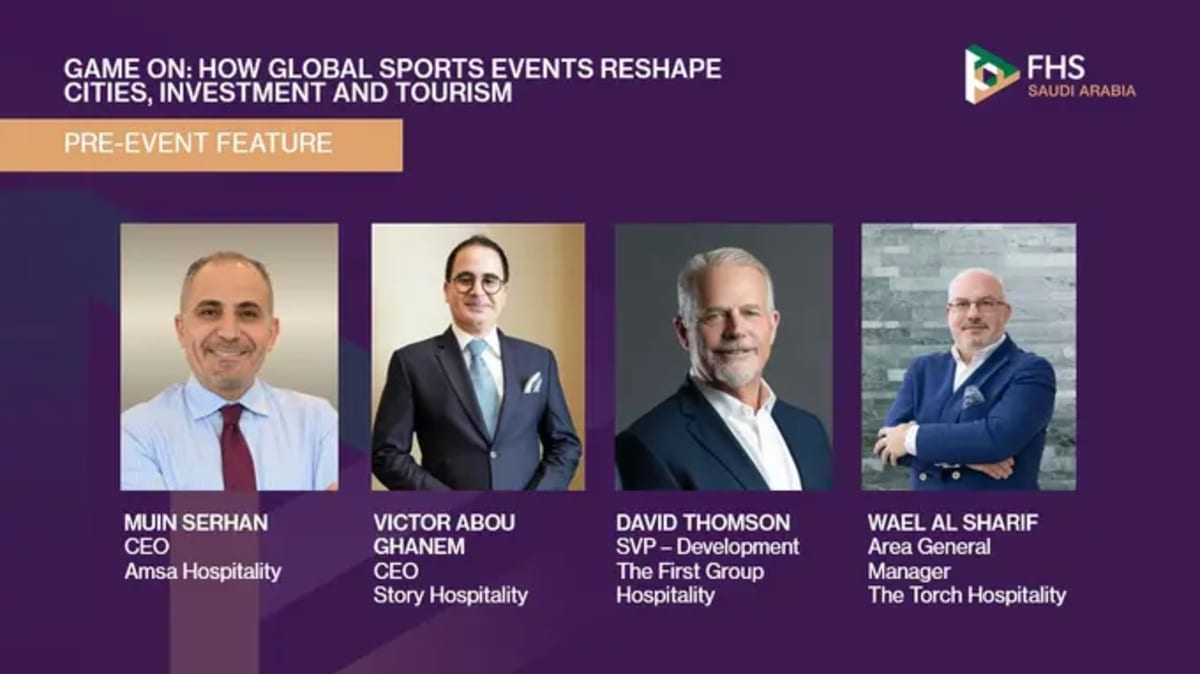
Four hospitality leaders gathered ahead of the Future Hospitality Summit in Riyadh to share how mega-events can transform cities when done right. Their message is clear: think decades, not days.
"Mega-events can put a city on the map," says David Thomson, Senior Vice President at The First Group Hospitality. "When managed well, they reposition a city in the minds of investors and travelers."
The secret isn't chasing short-term revenue spikes. Muin Serhan, CEO of Amsa Hospitality, explains that reputation matters far more than immediate profits.
"While revenue is temporary, reputation compounds over time," Serhan says. "When executed well, a global event signals capability, safety, and cultural openness."
Victor Abou Ghanem, CEO of Story Hospitality, calls it the world's most expensive advertising campaign that everyone covers for free. The key is treating each event as a 10 to 20 year brand-building moment, not a quick cash grab.
Saudi Arabia is proving the concept works. With Riyadh Expo 2030 and FIFA 2034 on the horizon, the Kingdom is accelerating its Vision 2030 tourism goals by decades, creating what Wael Al Sharif calls "irreversible perception shifts."
The strategy requires planning long before opening ceremonies begin. Hotel developers and city planners must collaborate from day one to ensure venues and infrastructure serve locals for years after tourists leave.
The Ripple Effect
The real magic happens when cities build for normal years, not peak events. Thomson emphasizes that capacity decisions must focus on long-term viability, with good design and flexible spaces that stay relevant decades later.
Saudi projects like Qiddiya and Diriyah showcase this mixed-use approach perfectly. These developments blend hotels, retail, and entertainment into ecosystems that attract visitors whether or not a tournament is happening.
The human element matters just as much as infrastructure. Converting first-time visitors into repeat guests creates commercial impact that extends far beyond rate premiums during event weeks.
Cities that win long-term invest in transport that locals actually use and venues that can be repurposed. They phase development responsibly instead of overbuilding to satisfy hype.
The executives agree on one final truth: consistency turns curiosity into loyalty. When destinations treat mega-events as transformation accelerators rather than standalone spectacles, temporary gatherings become enduring competitive advantages that compound across decades.
Saudi Arabia's sports revolution shows what's possible when vision extends beyond the final whistle.
More Images
Based on reporting by Regional: saudi arabia development (SA)
This story was written by BrightWire based on verified news reports.
Spread the positivity!
Share this good news with someone who needs it