Saudi Arabia's Nature Reserves Hit 800,000 Visitors
Saudi Arabia's Al-Urumah Season just welcomed its 800,000th visitor, marking a fifteen-fold increase in ecotourism since the program launched. The success shows how the kingdom is transforming vast desert reserves into must-see destinations while protecting wildlife and creating jobs.
A nature tourism program in Saudi Arabia has grown from 52,000 visitors in its first season to more than 800,000 in its fifth edition, proving that conservation and travel can thrive together.
Al-Urumah Season, managed by the Royal Reserve Development Authority, offers visitors six months of desert adventures across two massive protected areas. The program has now welcomed nearly two million total visits since launch, making it one of the Middle East's fastest-growing ecotourism success stories.
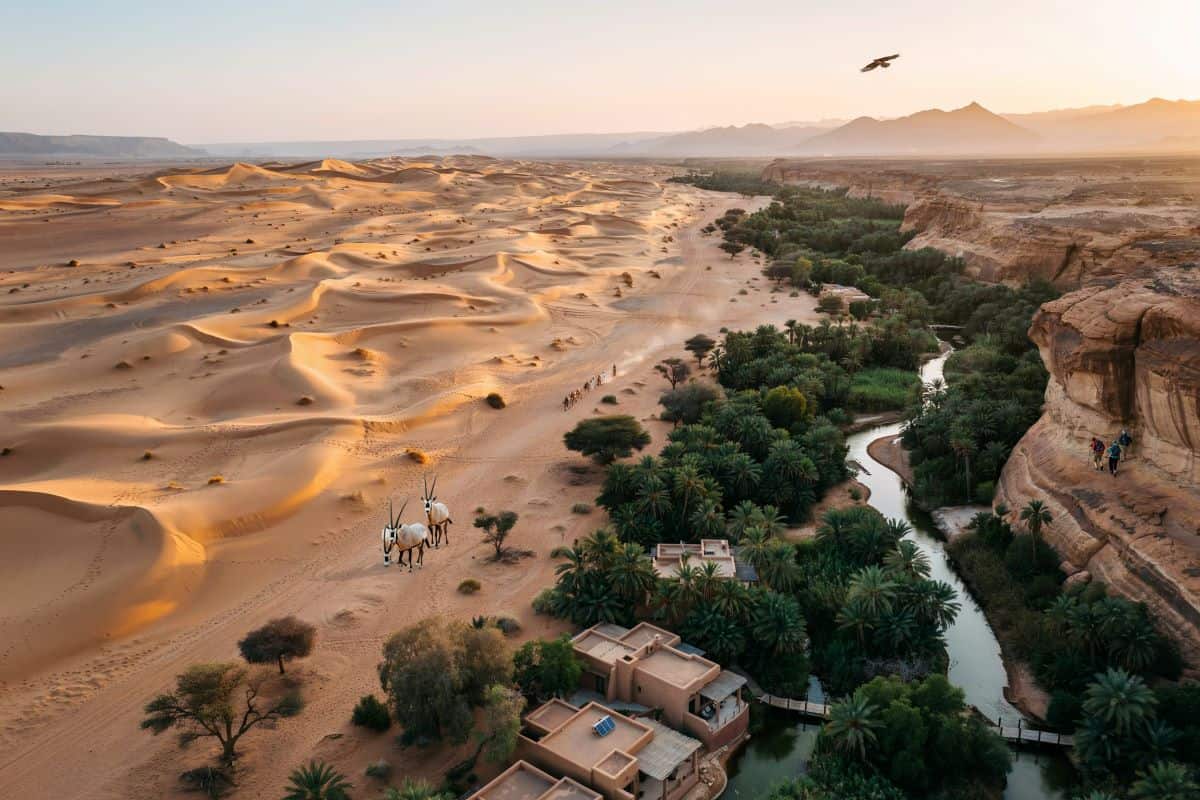
The dramatic growth reflects a hunger for authentic outdoor experiences in a region better known for glittering cities. Families and adventure seekers are flocking to the Imam Abdulaziz bin Mohammed Royal Reserve and King Khalid Royal Reserve, where they can hike desert trails, ride camels, stargaze under pristine skies, and spot Arabian oryx and gazelles in their natural habitat.
These aren't just tourism sites. The reserves span more than 11,000 square kilometers of protected desert, mountains, and archaeological treasures, serving as crucial habitats for endangered wildlife while offering visitors a window into ecosystems many never knew existed.
The Ripple Effect
The ecotourism boom is doing more than filling hotel rooms. The program has created 84 jobs in communities near the reserves, offering new economic opportunities in areas that previously had few tourism connections.
Saudi Arabia is channeling Vision 2030 funding into building sustainable infrastructure that supports both visitors and wildlife. Walking trails, viewing platforms, and visitor centers are designed to minimize environmental impact while maximizing access to natural beauty.
The success is also changing perceptions. While neighboring countries like Oman and the UAE have established nature tourism niches, Saudi Arabia's combination of scale, investment, and rapid visitor growth is setting a new regional benchmark for how conservation areas can become mainstream attractions.
Wildlife restoration programs running alongside tourism development mean that as more people visit, more animals return. Arabian oryx populations are recovering in protected habitats, giving future visitors even richer experiences while securing biodiversity for generations ahead.
The message is clear: people want to connect with nature, and when countries invest in protecting it, tourism follows naturally.
Based on reporting by Regional: saudi arabia development (SA)
This story was written by BrightWire based on verified news reports.
Spread the positivity!
Share this good news with someone who needs it