Saudi Arabia's Solar Microgrid Powers Entire Tourism Resort
A massive solar and battery system in Saudi Arabia now powers an entire coastal tourism destination without connecting to the national grid. The project set a world record for the largest off-grid battery storage system while providing electricity, water, and cooling to resorts, an airport, and homes.
A groundbreaking renewable energy project in Saudi Arabia just proved that entire communities can run on sunshine and batteries alone.
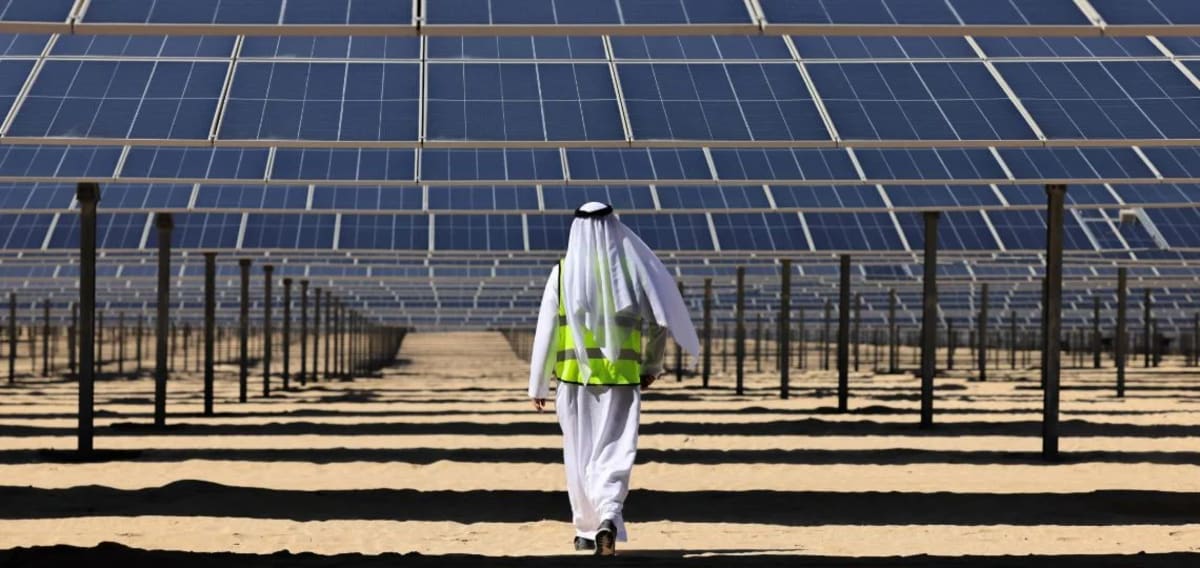
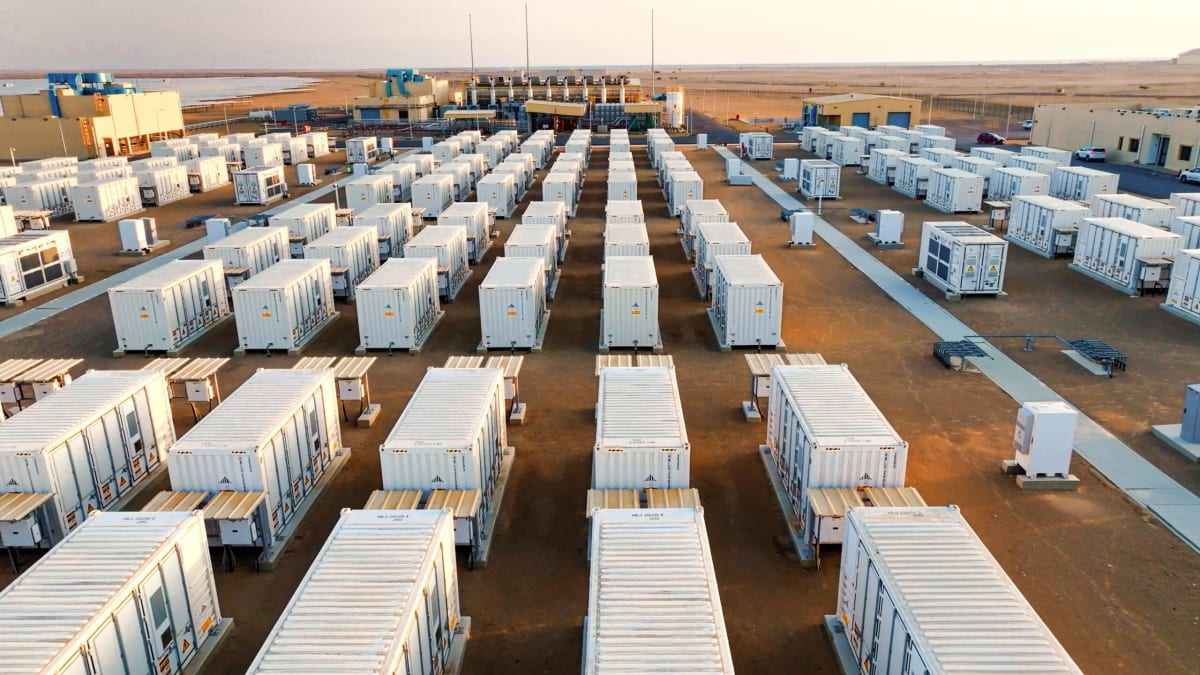
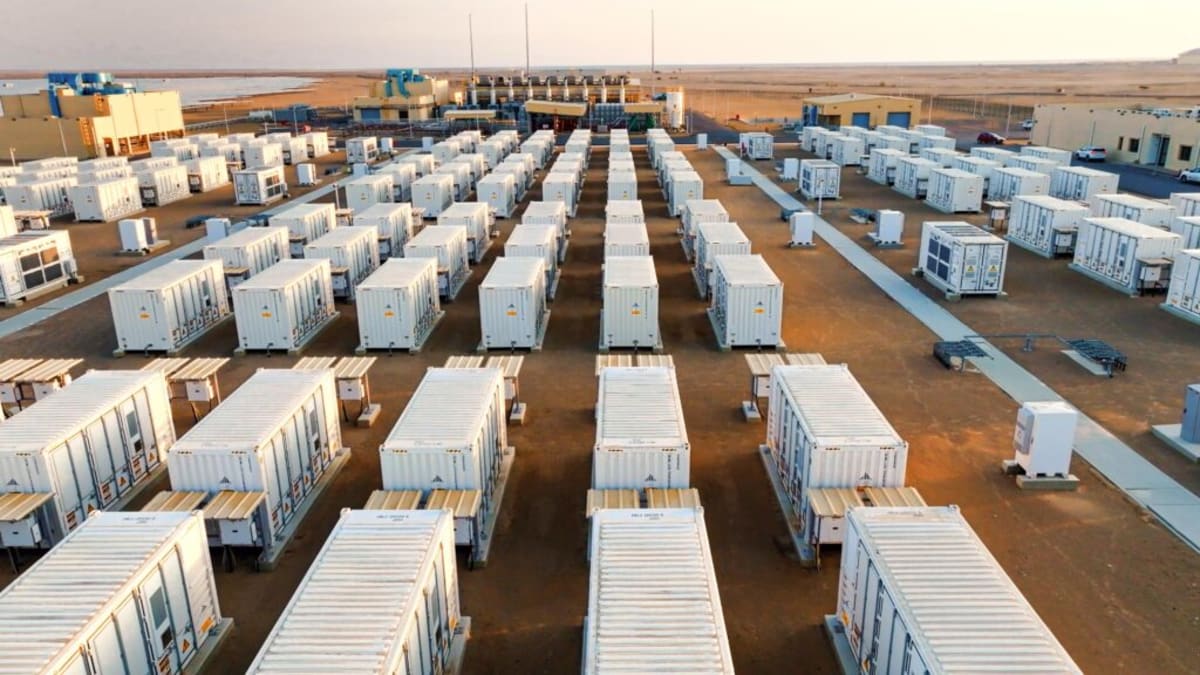
The Red Sea tourism destination on Saudi Arabia's western coast now operates completely off the national power grid. Instead, 358 megawatts of solar panels and the world's largest off-grid battery system keep the lights on for resorts, an international airport, employee housing, and all supporting infrastructure.
This isn't just about electricity. The renewable-powered system also runs three desalination plants producing 32,500 cubic meters of drinking water daily, treats wastewater, provides air conditioning through district cooling, manages solid waste, and powers electric vehicle charging stations and 5G networks.
The battery system does something most storage facilities can't. Because the Red Sea network operates completely isolated from any larger grid, the batteries must create and maintain their own stable voltage and frequency while balancing the ups and downs of solar generation with real-time demand.
Guinness World Records certified 1,125 megawatt-hours of the battery installation as the world's highest-capacity off-grid energy storage facility in May 2025. Construction began in October 2021, with the storage unit starting operations in September 2023.
The project reached full commercial operation in August 2025 after a phased rollout. ACWA Power developed the system under a 25-year agreement, meaning Red Sea Global purchases electricity and water as services rather than owning the infrastructure directly.
Chinese technology played a major role, with Huawei supplying the inverters and battery systems, while Longi provided the solar panels. PowerChina subsidiary SEPCOIII handled construction after signing the contract in February 2021.
The Ripple Effect
This project offers a blueprint for remote communities worldwide struggling with energy access. Islands, isolated industrial sites, and new developments where extending traditional power lines proves too difficult or expensive could follow this model.
The system has already demonstrated black-start capabilities, meaning it can restart itself after a complete shutdown without external power. These real-world lessons from operating a fully isolated renewable network could accelerate similar projects globally, proving that clean energy can reliably power entire communities without fossil fuel backup beyond emergency generators.
Saudi Arabia's investment shows that renewable-powered microgrids can handle the complex demands of modern life, from air conditioning in desert heat to turning seawater into drinking water, all while keeping the grid stable and the power flowing 24/7.
The future of off-grid communities just got a whole lot brighter.
More Images


Based on reporting by PV Magazine
This story was written by BrightWire based on verified news reports.
Spread the positivity!
Share this good news with someone who needs it