Saudi Fish Farm Hits 200 Tonnes in Vision 2030 Push
A family-run aquaculture company just launched Saudi Arabia's newest tilapia farm, combining cutting-edge technology with 30 years of expertise to boost local fish production. The pilot facility aims to produce 2,000 tonnes annually by 2030, supporting the Kingdom's food security goals.
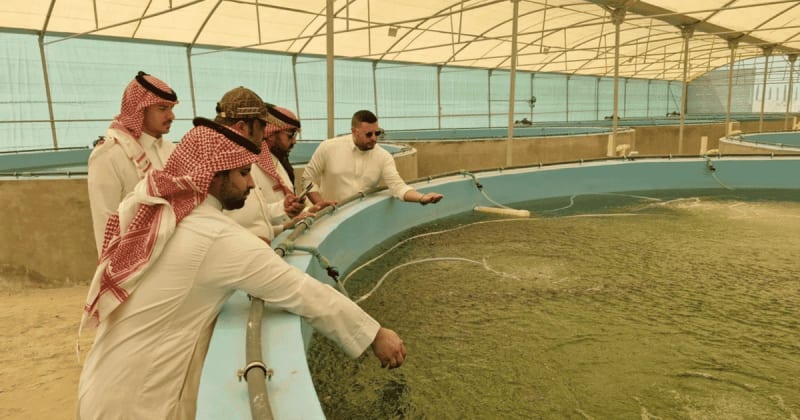
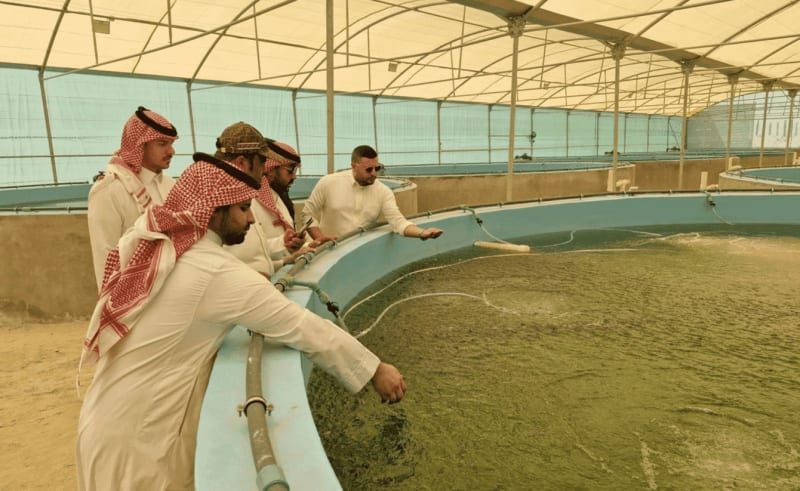
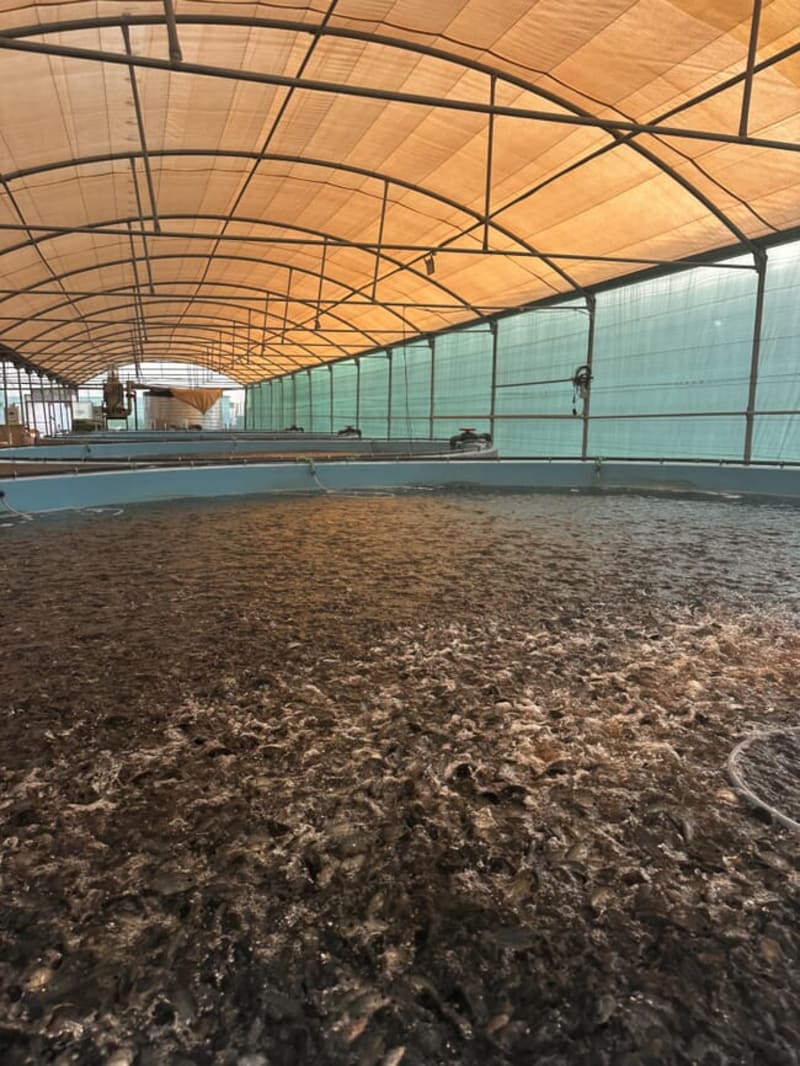
A new fish farm in Saudi Arabia's Eastern Province just completed its first production phase, harvesting 200 tonnes of Nile tilapia and setting the stage for much bigger things to come.
NAPCO Aqua, led by CEO Nabil Kammoun, launched the facility in 2025 as part of Saudi Arabia's Vision 2030 plan to strengthen food security. The company brings three decades of aquaculture experience from Egypt to help build the Kingdom's fishing industry from the ground up.
The farm uses two advanced systems that save water and boost efficiency. Ten tanks operate as a Recirculating Aquaculture System for young fish, while 40 biofloc tanks handle the growth stages. A hatchery currently under construction will produce up to 5 million fingerlings, reducing Saudi Arabia's dependence on imported fish stock.
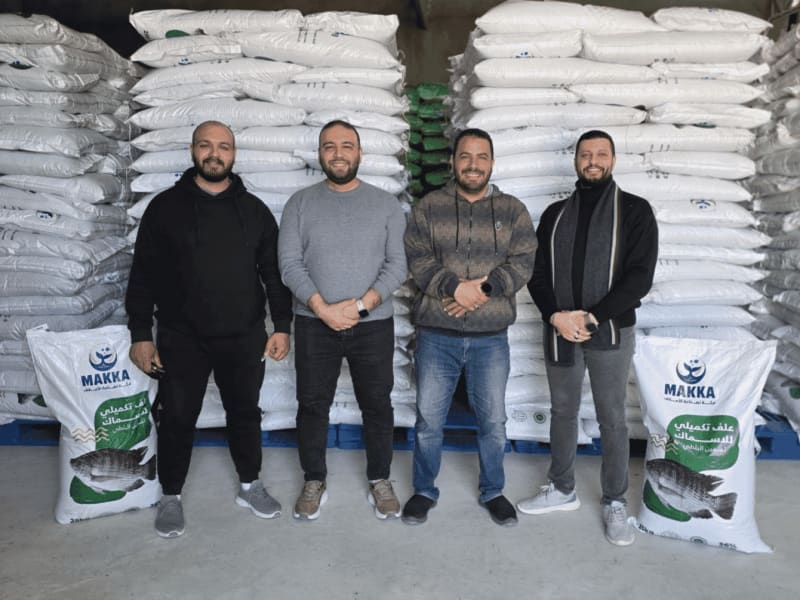
Kammoun's family background in aquaculture includes owning Makka Feed Manufacturing in Egypt and managing numerous fish farms across freshwater and marine environments. That experience now serves Saudi investors and farmers through comprehensive services covering everything from feasibility studies to farm design and daily operations.
The company doesn't just build farms. NAPCO Aqua provides ongoing technical supervision, water quality monitoring, specialized training, and supply chain management to help projects succeed long term.
The Ripple Effect
The pilot farm represents just one piece of NAPCO Aqua's broader mission to transform Saudi aquaculture. The company supervises numerous projects across the Eastern Province while developing an integrated digital management system that tracks everything from pond numbers to feed usage through a single app.
Plans include a central laboratory for disease detection and water quality testing, giving farms the tools to tackle technical challenges before they become costly problems. The team is also exploring marine aquaculture and introducing new species beyond tilapia.
Kammoun emphasizes that success in aquaculture requires both technical expertise and proper planning. He advises newcomers to work with specialized consultancy firms until production becomes stable, noting that high establishment costs and operational complexity make thorough feasibility studies essential.
The company follows ISO 9001 standards to maintain quality across all operations, with careful oversight ensuring data accuracy and consistent results. Training facilities prepare engineers, technicians, and farm workers while partnerships with universities support ongoing innovation.
By 2030, the pilot farm aims to reach its full 2,000-tonne capacity, turning modern aquaculture technology into a reliable source of locally grown protein for Saudi families.
More Images

Based on reporting by Regional: saudi arabia development (SA)
This story was written by BrightWire based on verified news reports.
Spread the positivity!
Share this good news with someone who needs it
%2Ffile%2Fattachments%2Forphans%2FMLJoburg-91_220988.jpg)