Saudi Palace Opens for Eid, Showcasing 90 Years of Heritage
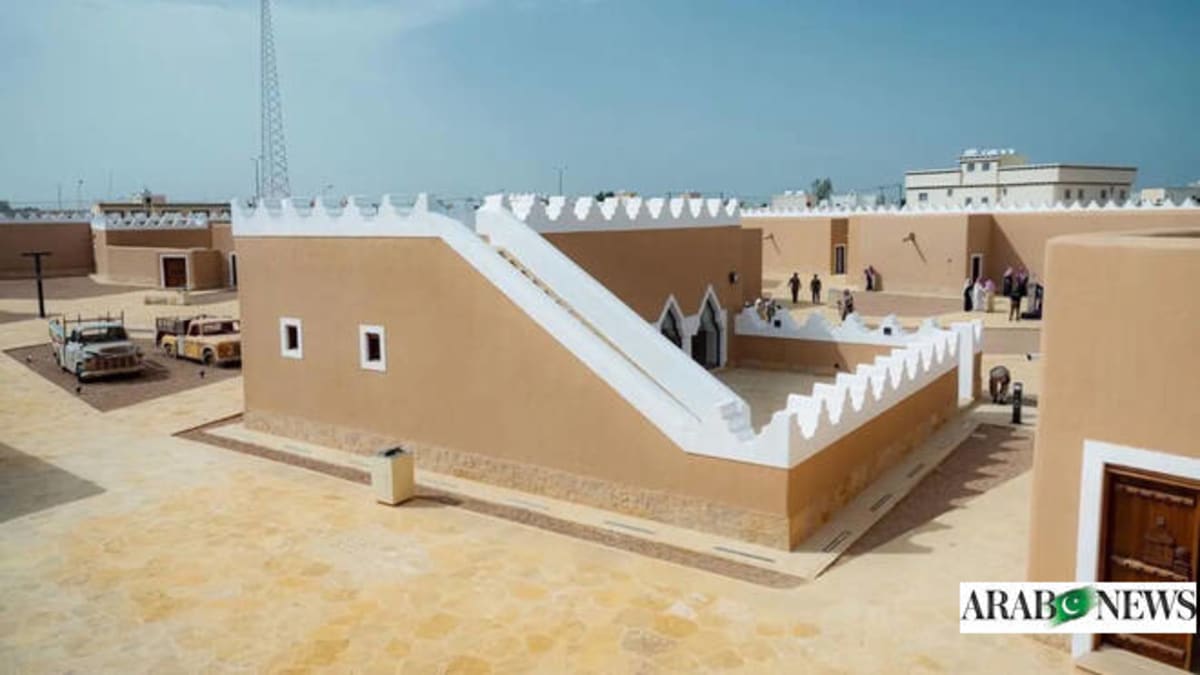
King Abdulaziz's historic palace in Qibah welcomes visitors this Eid Al-Fitr, bringing a 1932 architectural treasure back to life. Families can explore traditional crafts, watch cultural performances, and connect with Saudi Arabia's rich past.
A palace that once served as the heartbeat of regional administration is opening its doors to the public, transforming history into a living experience for today's generation.
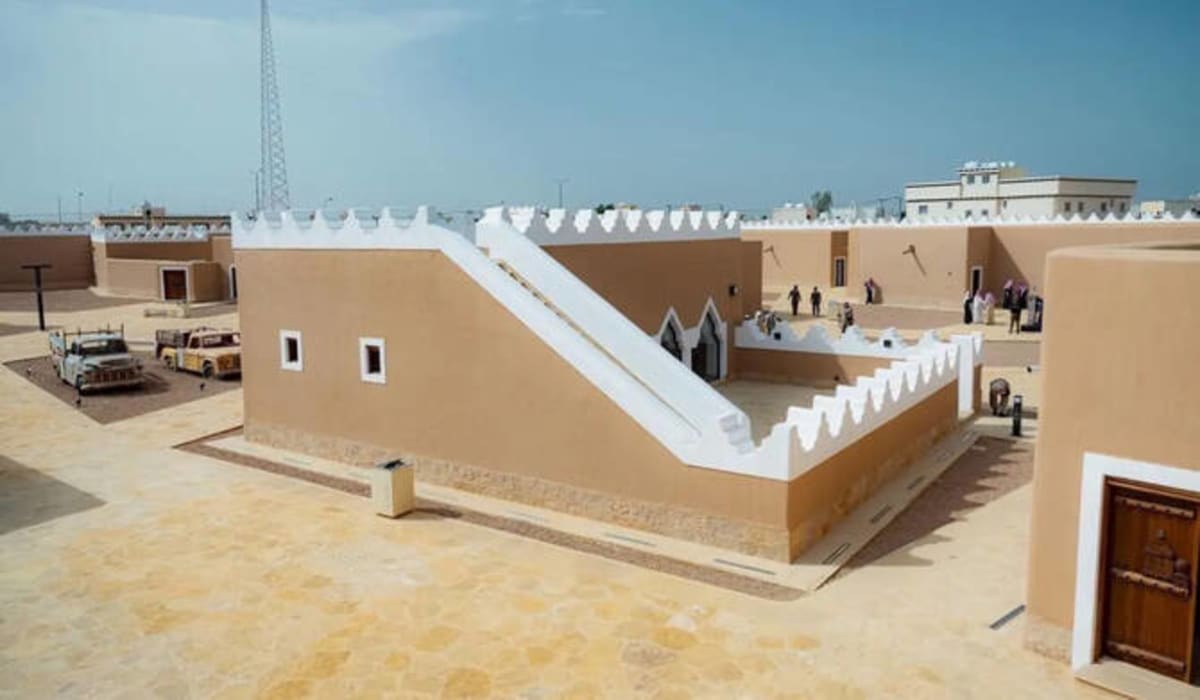
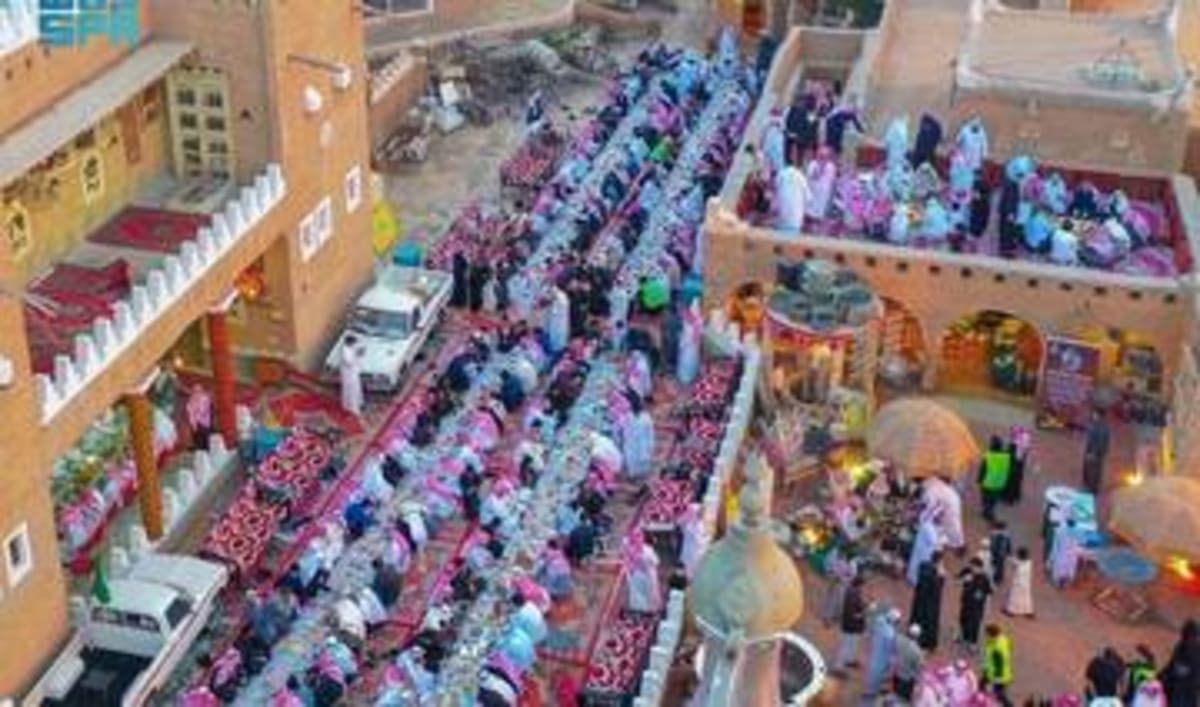
King Abdulaziz's palace in Qibah, Saudi Arabia's Qassim region, is welcoming visitors throughout Eid Al-Fitr. Built in 1932 using traditional Najdi architectural style, the palace stands as a testament to the Kingdom's journey from administrative hub to modern nation.
The Imam Turki bin Abdullah Royal Reserve Development Authority partnered with the Heritage Commission and Qassim Principality to make this experience possible. Visitors can explore the palace daily from 3 p.m. to 10 p.m. through the end of the week.
Inside, artifacts and antiquities tell the story of the region's social and economic evolution. But this isn't a static museum experience where visitors simply look and leave.
The palace comes alive with performances of the Saudi Ardah, a traditional dance that has celebrated victories and important occasions for generations. Local families demonstrate traditional handicrafts, passing down skills that might otherwise fade from memory.
Children get their own dedicated educational zones, making sure the youngest visitors connect with their heritage in engaging, age-appropriate ways. It's learning disguised as fun, and it's working.
The Ripple Effect
This opening represents more than just access to an old building. It's part of Saudi Arabia's broader vision to weave cultural heritage into its growing tourism landscape.
By transforming historic sites into interactive experiences, the Kingdom creates opportunities for both citizens and visitors to understand the foundations that shaped modern Saudi society. Young Saudis can walk the same halls their great-grandparents knew, touching history rather than just reading about it.
The collaboration between three major organizations shows how preserving heritage has become a national priority. When government bodies work together to make history accessible, communities strengthen their cultural identity while building new economic opportunities.
Local families participating in craft demonstrations find new audiences for traditional skills. Tourism brings resources that help maintain these irreplaceable structures for future generations.
Opening during Eid Al-Fitr carries special meaning, connecting celebration with remembrance and showing that honoring the past enhances the joy of the present.
More Images

Based on reporting by Regional: saudi arabia development (SA)
This story was written by BrightWire based on verified news reports.
Spread the positivity!
Share this good news with someone who needs it