School Bus Driver: Electric Beats Diesel After 25 Years
After a quarter century behind the wheel of diesel school buses, Charles Choyce switched to electric and discovered something surprising. The cleaner air, smoother ride, and quieter classroom on wheels have transformed his daily route in Winston-Salem, North Carolina.
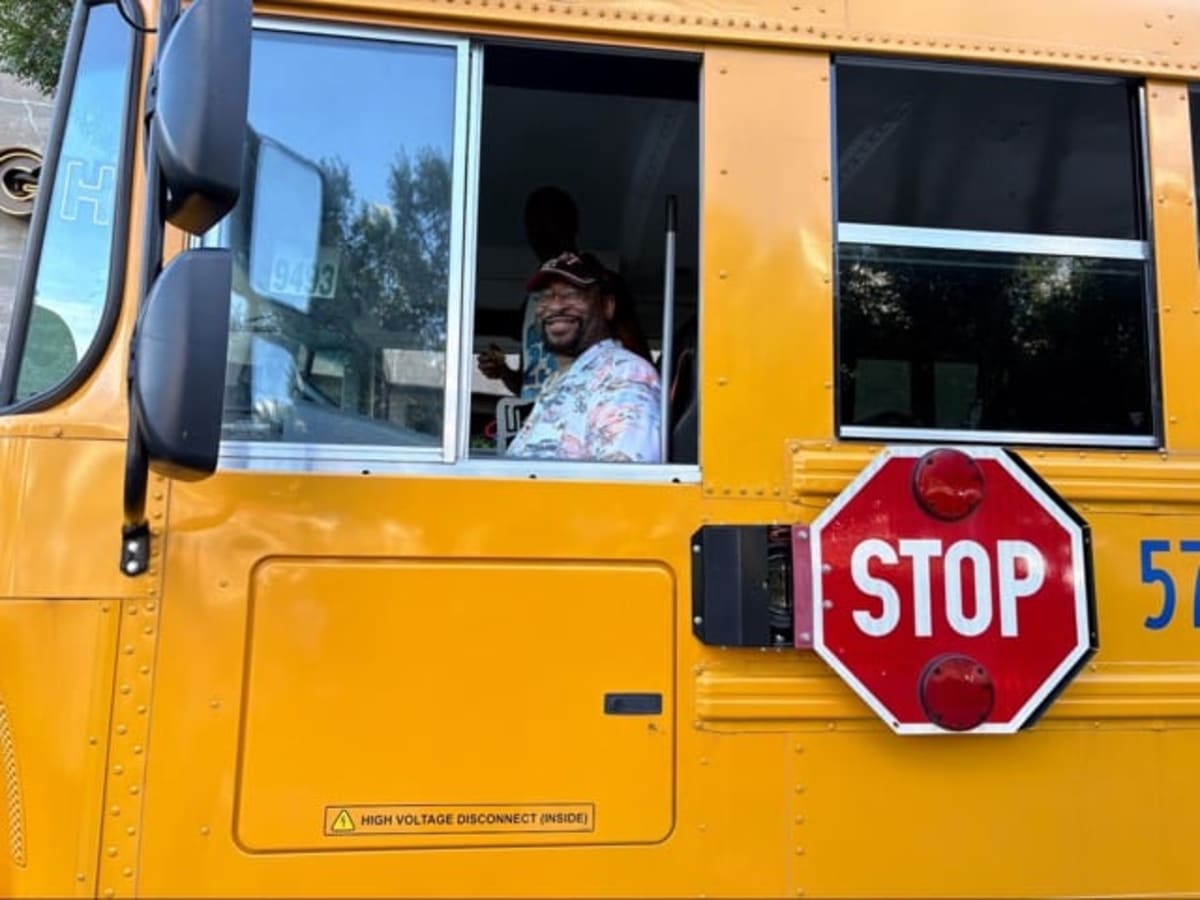
Charles Choyce has spent 25 years breathing diesel fumes while steering heavy school buses through tight turns. This year, he finally got a break when he started driving an electric bus for the Arts Based School in Winston-Salem, and the difference hit him immediately.
"I like driving the electric bus more than the diesel bus," Choyce explains while showcasing the vehicle at a Juneteenth celebration. The change goes beyond just the powertrain for him and his 60 daily passengers.
The diesel fumes that once seeped into the cabin are gone. Kids who used to complain about headaches on his old routes now ride in clean air, and Choyce himself feels the difference after years of inhaling exhaust.
The physical toll on his body has lightened too. Traditional diesel buses require constant wrestling with heavy steering, leaving his arms aching by day's end. The electric bus responds to the gentlest touch, turning smoothly with barely any effort.
That improved handling isn't just in his imagination. The electric model's heavier battery sits low in the frame, lowering the center of gravity and making turns steadier and easier to navigate.
The noise difference changes everything inside the bus. On diesel routes, kids had to shout over the roaring engine just to talk to each other, creating chaos that stressed neurodivergent students and made it harder for Choyce to hear what was happening. Now the cabin stays peaceful enough for normal conversation.
Safety features built into the electric system have won him over completely. When he lifts his foot off the accelerator, regenerative braking automatically slows the bus down, giving him better control in unexpected situations.
The predictability helps him plan better routes too. He knows exactly how much battery he has at any point, making field trips to Greensboro and back easy to calculate. His typical 60-mile daily route uses less than half the 150-mile range, leaving plenty of buffer for unexpected detours.
Charging takes just three to four hours at the school depot, and the fuel costs run far lower than diesel. The maintenance savings might be even more impressive.
The Bright Side
After three years of operation, the bus hasn't needed new tires or major repairs. Choyce remembers his old diesel days when buses broke down weekly, requiring alternator replacements, new pulleys, and constant fixing. The electric model went in for its annual checkup last year and only needed cooling fluid topped off.
For a driver who's seen it all over 25 years, that reliability means something. Fewer breakdowns mean more time actually transporting kids safely, less stress about whether the bus will start, and more confidence in the technology that's changing his profession for the better.
More Images


Based on reporting by Google News - Clean Energy
This story was written by BrightWire based on verified news reports.
Spread the positivity!
Share this good news with someone who needs it