School Gardens Boost Kids' Science Scores and Veggie Intake
Students who learn through school gardens score higher in science, eat more vegetables, and develop more positive attitudes toward the environment. Research shows these hands-on programs transform how kids understand food systems and their role in the world.
High school students in rural Oklahoma once asked their science teacher why she glued cotton balls to a stick. She was holding an actual cotton plant, growing just miles from their school.
This disconnect inspired agricultural extension specialist Shelley Mitchell to explore how gardens can reconnect kids with their food. Her research reveals benefits that reach far beyond knowing where vegetables come from.
In 1900, about 80% of Americans lived on farms. Today, that number sits below 2%. Most kids are now several generations removed from agriculture, viewing farming as someone else's career rather than understanding it shapes their daily lives.
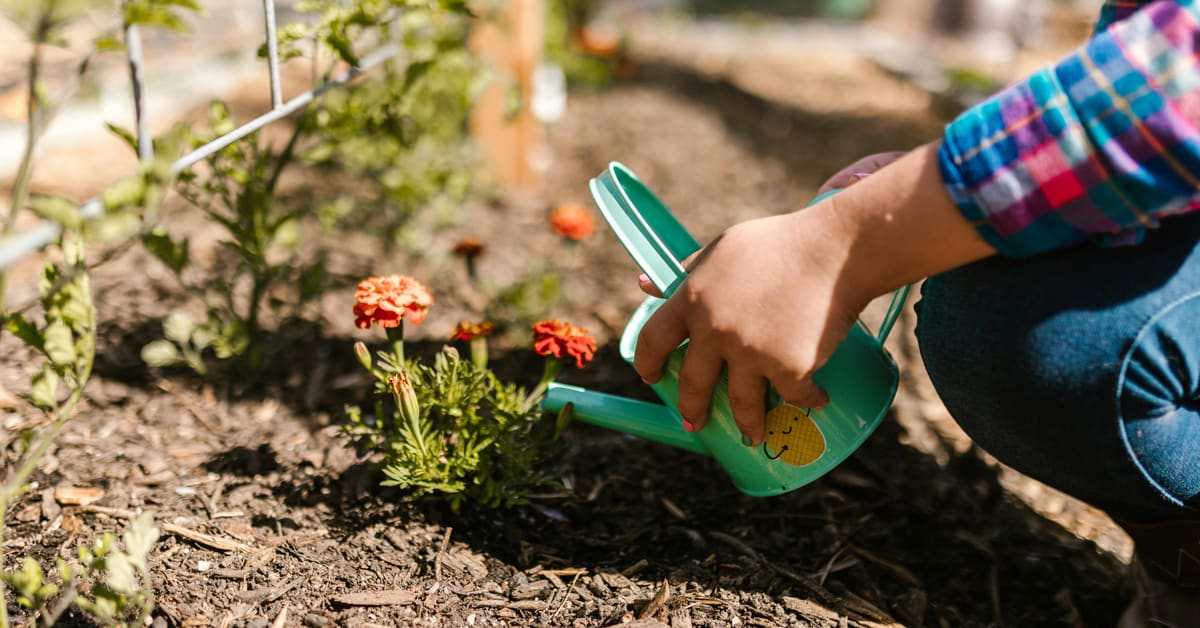
School gardens are changing that gap. When children garden instead of sitting in traditional classrooms, they're active 85% of the time compared to just 16% during regular lessons. This physical engagement activates more brain regions, leading to better understanding and memory retention.
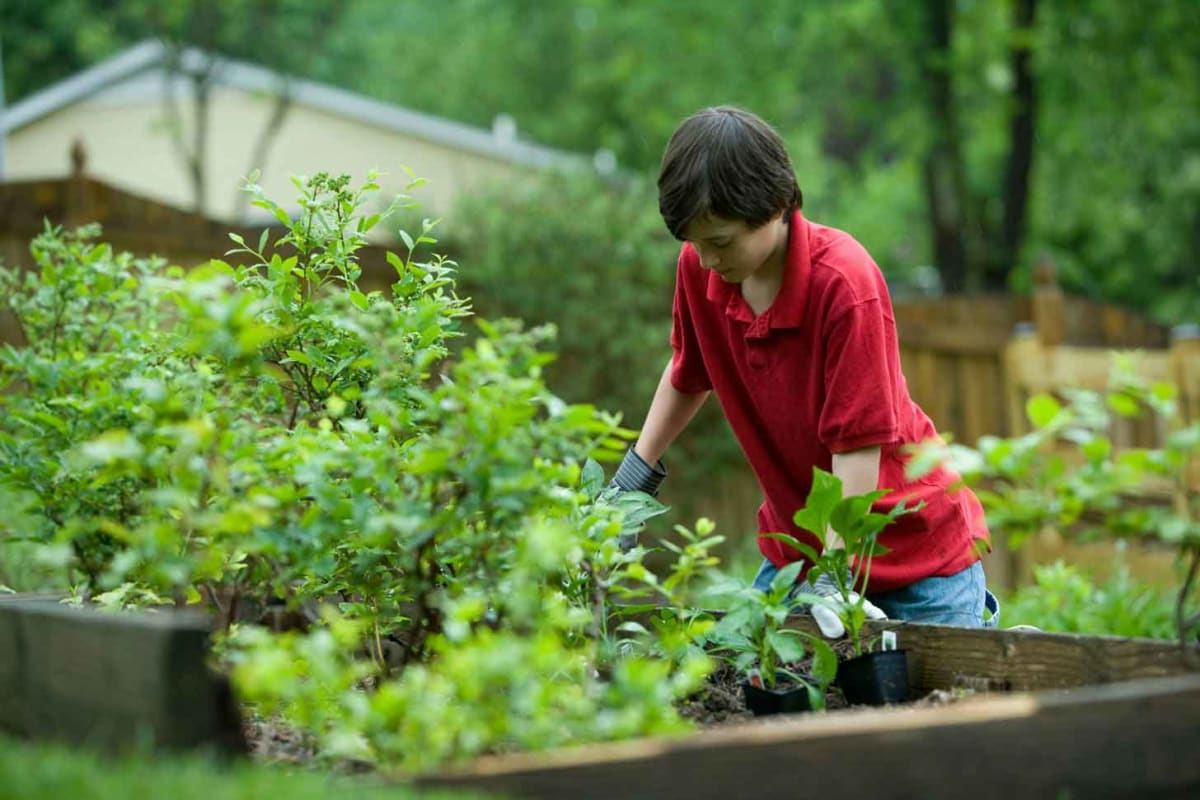
The academic gains are measurable. Students involved in gardening show increased science literacy and stronger positive attitudes toward science and the environment. Gardening becomes a living science experiment where kids manipulate variables like water, temperature, and sun exposure, then observe real consequences.
For young children, the benefits start even earlier. Gardening builds hand-eye coordination, which researchers have linked to success in handwriting, math, and reading. The hands-on work lets students follow their curiosity, motivating them to learn concepts they'll actually remember.
The Ripple Effect
The changes extend beyond school hours. Children in garden programs become more physically active at home too. They develop life skills like teamwork, patience, self-confidence, and responsibility that serve them for years.
Perhaps most surprising: kids eat more vegetables when they grow them. Studies show students are significantly more likely to try and enjoy vegetables they've planted and harvested themselves.
Teachers face real challenges implementing these programs. Many feel they lack time, funding, or gardening knowledge. Some administrators worry about messy plots or space concerns, even for small container gardens.
But Mitchell argues that messiness is exactly the point. When students see weeds grow or plants fail, they learn to adjust their approach next season. If adults fix every mistake, kids miss the valuable lesson of seeing their decisions play out.
The gardens don't need to be elaborate or expensive to work. Even small plots teach students to appreciate farmers and understand the complex systems that bring food to their tables. Coupled with lessons about agricultural economics and politics, gardening helps young people make informed choices about their food.
One thing remains certain: nothing beats the taste of a garden-grown tomato, especially when you planted it yourself.
More Images


Based on reporting by Good Good Good
This story was written by BrightWire based on verified news reports.
Spread the positivity!
Share this good news with someone who needs it