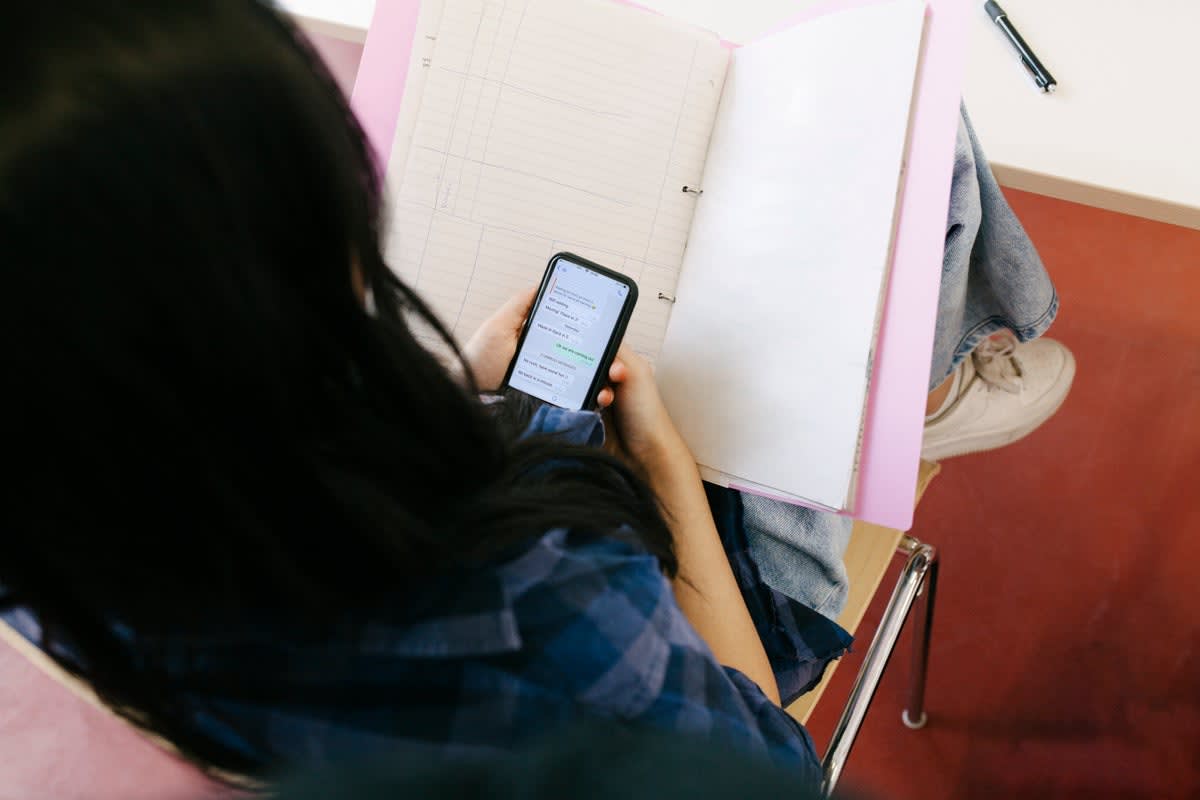
School Phone Bans Boost Student Well-Being, Study Finds
Students and teachers report feeling better after schools adopted phone pouches, though test scores haven't changed. A major study of 40,000 schools reveals the real impact of phone restrictions.
Schools that banned phones during the day are seeing happier students and teachers, even if grades haven't budged yet.
A major new study tracked more than 40,000 schools between 2019 and 2026, comparing schools using magnetically sealed phone pouches with those that didn't restrict devices. The findings show phone bans are working at keeping kids off their phones during school hours. And while test scores and attendance haven't changed, something more important might have.
Students and teachers at schools with phone pouches reported higher levels of well-being. That's a real win, even if it doesn't show up on standardized tests.
The researchers from the National Bureau of Economic Research analyzed test data, attendance reports, discipline records, and thousands of surveys. They focused on schools where students keep their smartphones in locked pouches that only open at the end of the school day.
The transition wasn't always smooth. When schools first adopted the pouches, suspensions tended to rise and students reported lower well-being. But those rough patches didn't last long. Discipline levels returned to normal, and well-being climbed higher than before.
Two thirds of U.S. states now have laws curbing cell phone access in schools. Many teens aren't thrilled about it. A recent Pew Research Center survey found that only 41 percent of teens aged 13 to 17 supported banning phones during class, and just one in five supported all-day restrictions.
The Bright Side
The study has limitations. The researchers only had three years of data from schools that had been using pouches the longest. Test scores and surveys don't capture everything happening in classrooms. And different types of phone restrictions might produce different results.
But here's what matters: students and teachers feel better when phones are put away. That's not nothing. Mental health and daily happiness affect learning in ways that don't always show up on tests right away.
The researchers say evaluating longer-term impacts is crucial as more schools experiment with managing digital access. Schools are still figuring out what works best for their students.
For now, the evidence suggests that less screen time during school hours means more room for connection, focus, and well-being.
More Images



Based on reporting by Scientific American
This story was written by BrightWire based on verified news reports.
Spread the positivity!
Share this good news with someone who needs it