Schools Welcome AI Into Classrooms After Trying to Ban It
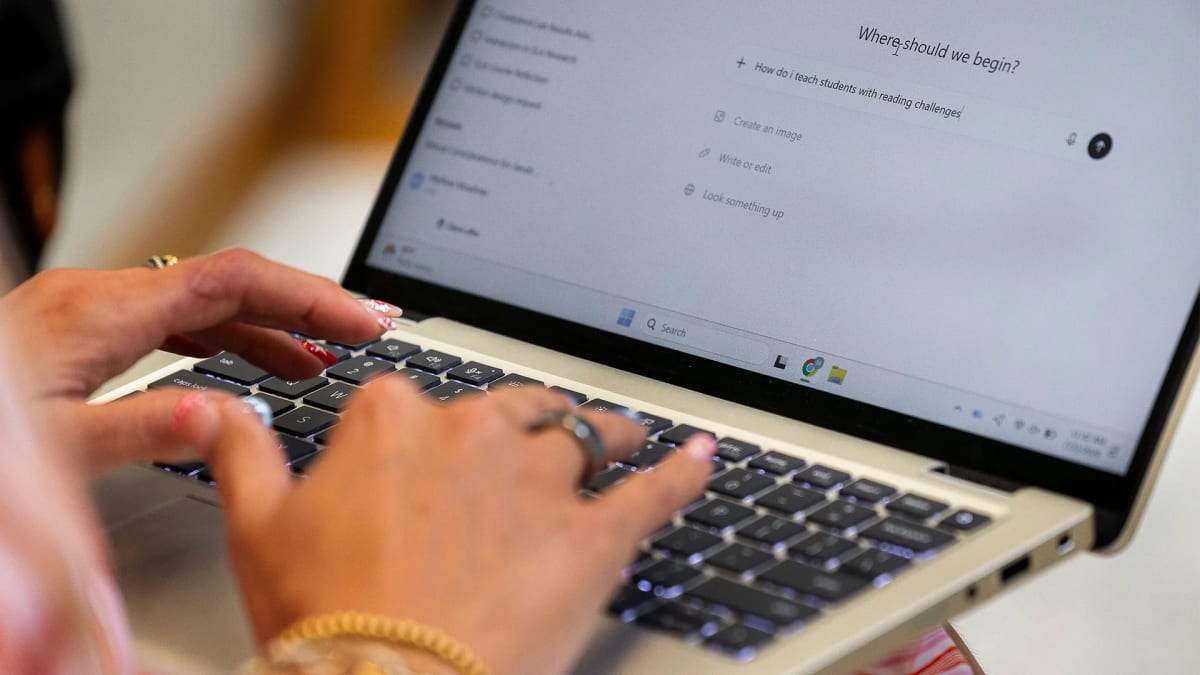
After initially blocking AI chatbots, U.S. schools are now inviting them into classrooms so students can learn their limitations firsthand. The shift marks a crucial step in preparing kids for an AI-driven future while teaching them when not to trust the technology.
Teachers in Charleston, South Carolina, gasped and laughed when an AI tool created a world map labeled "Mail" instead of Mali and "Sopth" instead of Egypt. The demonstration wasn't meant to impress—it was designed to show students why they shouldn't blindly trust artificial intelligence.
Schools across America are making a dramatic pivot. After spending months trying to ban AI chatbots from classrooms, educators are now embracing a smarter approach: teaching students how to use AI safely while exposing its flaws.
Charleston County's 50,000-student district spent a year developing AI literacy courses after discovering students were already using the technology without guidance. Teachers and kids alike said they were navigating AI on their own and desperately wanted clear rules and proper training.
The new student courses walk through real scenarios, like asking a chatbot for research paper help, to demonstrate how AI delivers confidently wrong answers complete with fabricated studies. One key lesson: always verify factual information, especially for schoolwork.
High school teacher Ray Knauer plans to show his AP Research students examples of AI bias and hallucinations to spark critical thinking. "We have to teach students you can't just get an answer and move on," he said. "You have to use analytical skills and dig deeper."
Utah led the way by hiring Matt Winters as the nation's first state AI education specialist in 2024. He's already trained over 7,000 teachers—almost a third of Utah's public school instructors—on how AI works, its biases, and when students shouldn't use it at all.
Thirty-seven states now offer official AI guidance for schools. Maine, West Virginia, and Georgia have followed Utah's lead by creating dedicated AI education positions.
The push comes as educators race to avoid repeating mistakes made with social media, where kids explored the online world without learning about addictive algorithms and comparison culture. Studies show most teenagers and teachers already use AI for schoolwork, but very few understand how it works or have received formal training.
The Ripple Effect
Amanda Bickerstaff, whose organization AI For Education has helped Chicago, Houston, and dozens of other districts draft AI policies, says the goal goes beyond teaching students to write good prompts. "Good AI literacy includes knowing when not to use it," said Rebecca Winthrop of the Brookings Institution.
Schools are learning that data privacy matters too. Student courses now caution against sharing personal information with AI tools because conversations can be stored, used for training, and potentially leaked.
The transformation represents a fundamental shift in how educators view technology in the classroom—not as something to fear and ban, but as something to understand and question. By summer 2027, Utah law requires every district to have AI policies in place, ensuring students across the state get consistent, quality instruction on navigating an AI-powered world.
America's teachers are turning uncertainty into opportunity, one map demo at a time.
Based on reporting by Fast Company - Innovation
This story was written by BrightWire based on verified news reports.
Spread the positivity!
Share this good news with someone who needs it