Science Confirms: Art Activities Boost Mental & Physical Health
Scientists are now proving what many have felt all along: creative activities like music, dance, and art actually change your brain and body in measurable ways. A groundbreaking summit in New York will teach people how to use art as a wellness tool.
Your brain lights up like a fireworks display when you listen to music, paint a canvas, or move to a beat. Now scientists can actually measure those changes, and they're revealing that art isn't just entertainment—it's medicine for your mind and body.
Dr. Aza Allsop, a neuroscientist and psychiatrist, explains that creative activities activate multiple brain networks at once, touching everything from attention and memory to emotion regulation. At the physical level, making or experiencing art shifts your nervous system away from stress responses and toward a calmer state.
Music appears especially powerful. When you listen to a song, it activates your auditory cortex, emotion centers, memory regions, movement areas, and even the reward pathways that release dopamine. The melodies affect your feelings while the rhythm can actually sync with your heartbeat and breathing patterns.
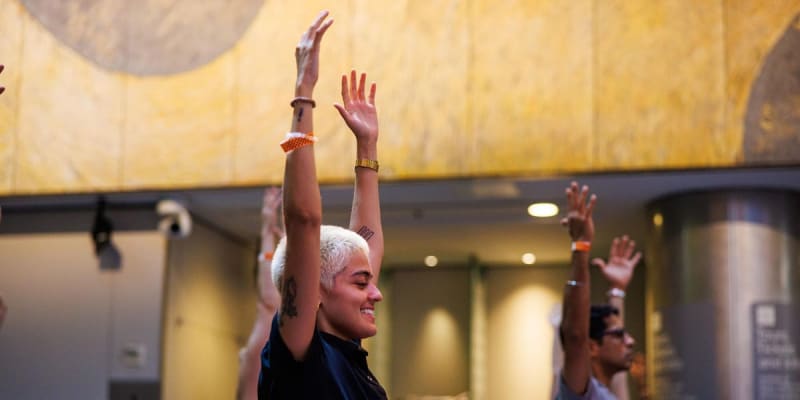
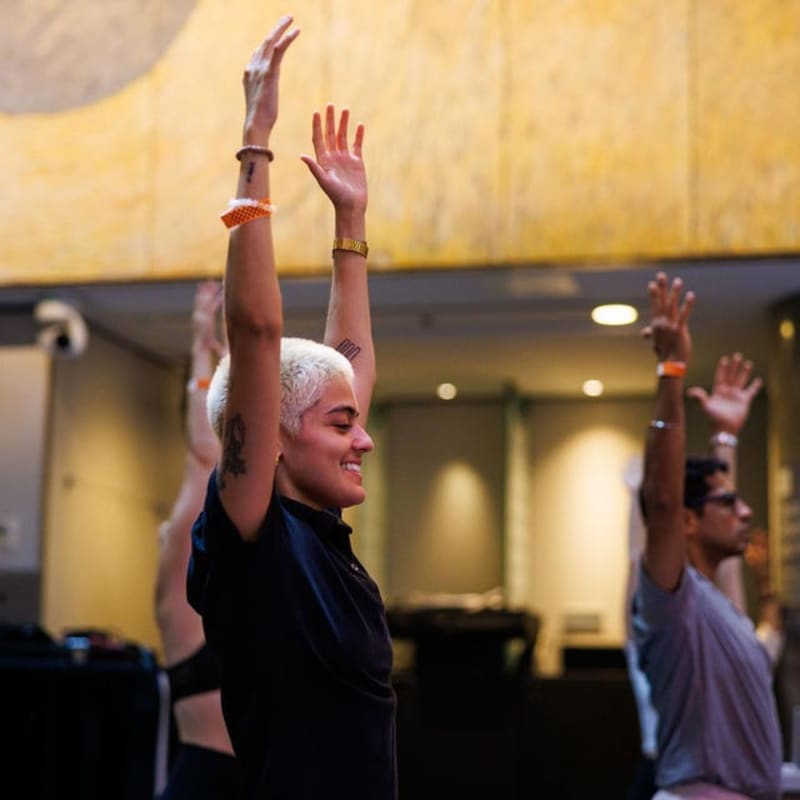
This science is moving beyond the lab and into real life. Women's Health and Men's Health are partnering with Lincoln Center for the Performing Arts for the Heartbeat Summit on February 21, 2026 in New York City. The event will offer hands-on experiences like chair Pilates, drumming sessions, and talks on music's power to build community.
"We talk a lot about health as being diet and exercise, but really, if you add art to that mix, it's so much more dynamic," says Shanta Thake, Chief Artistic Officer at Lincoln Center. She sees the arts as foundational to how we understand ourselves as individuals and as communities.
The Ripple Effect
The timing matters. In an era when many people feel isolated or disconnected, events like the Heartbeat Summit offer tools to fight loneliness through creativity. Dr. Allsop wants attendees to recognize that their responses to music aren't just subjective feelings but measurable biological processes they can harness for wellbeing.
Research shows that keeping up with creative practices may lower stress biomarkers and improve how we regulate emotions. The summit aims to make this connection between arts and wellness widely understood, giving people concrete ways to use music and movement for better health.
Thake hopes people will leave able to articulate a truth that artists have always known: the arts aren't optional extras but critical components of a healthy life.
More Images


Based on reporting by Womens Health
This story was written by BrightWire based on verified news reports.
Spread the positivity!
Share this good news with someone who needs it