
SuperAgers' Brains Grow 2x More Young Neurons Than Peers
Scientists discovered that people in their 80s and 90s with razor-sharp minds produce twice as many young neurons as healthy adults, proving aging brains can regenerate. The 25-year study reveals SuperAgers have unique brain environments that nurture new cell growth better than some people in their 30s.
Your brain might have more growing power than you ever imagined, even in your 80s and 90s.
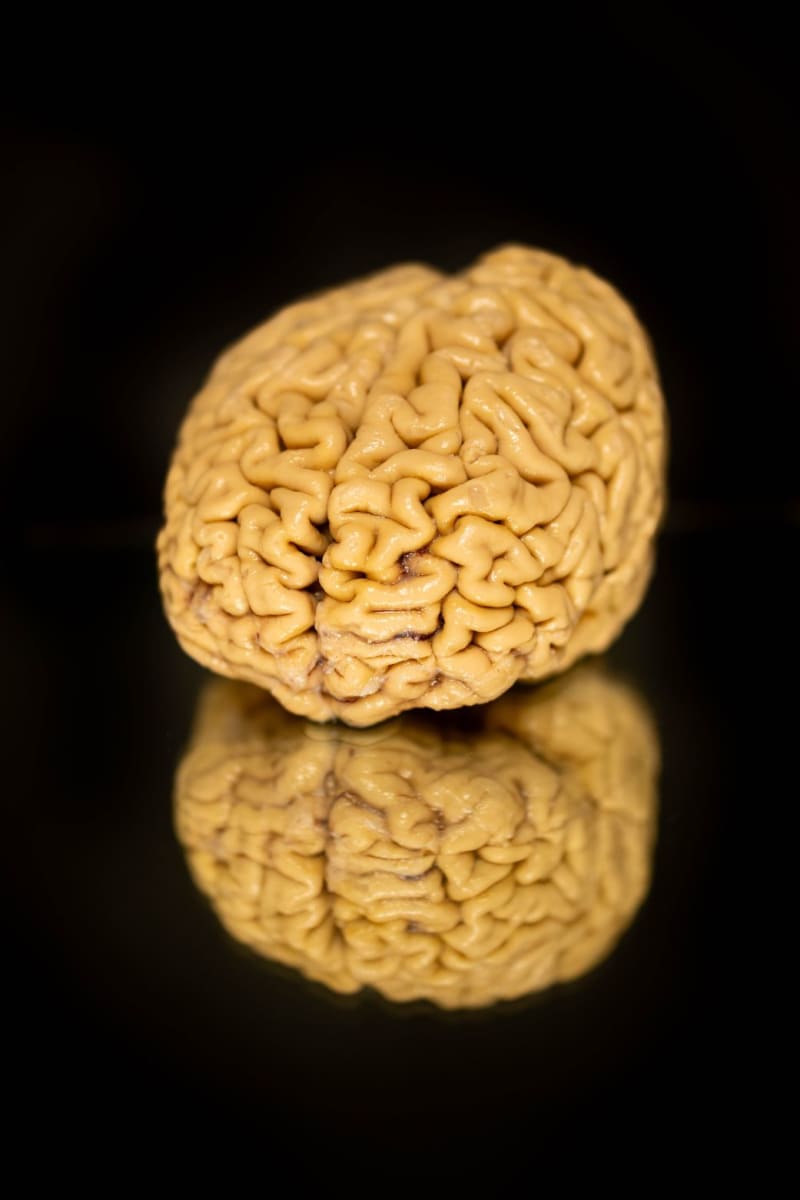
Scientists at Northwestern University just uncovered something remarkable. People with exceptional memories in old age, called SuperAgers, produce twice as many young neurons as cognitively healthy adults and 2.5 times more than people with Alzheimer's disease.
"This shows the aging brain has the capacity to regenerate—that's huge," said Dr. Tamar Gefen, who helps lead the Northwestern SuperAging Program. For 25 years, researchers have studied elderly men and women with superior memories to unlock their secrets.
Young neurons are the brain's most adaptable cells, ready to grow and wire themselves into new connections. SuperAgers' brains stay packed with these "bright-eyed and bushy-tailed" neurons that keep minds sharp and flexible.
The study found something even more surprising. SuperAgers' hippocampus, the brain's memory center, contains support systems that nurture new neurons like nutrient-rich soil feeds a young plant. These elderly brains actually grew more new neurons than adults in their 30s and 40s.
To qualify as a SuperAger, you must be over 80 and pass extensive memory tests that would challenge most people decades younger. These remarkable individuals recall everyday events and personal experiences with stunning clarity, and it's not just about intelligence.
Why This Inspires
SuperAgers share encouraging habits anyone can adopt. They challenge their brains daily by reading or learning new things. Most stay physically active and socially connected, surrounded by family and friends, often volunteering well into their 80s.
But here's the hopeful twist. Not all SuperAgers live perfect lifestyles. Some have heart disease or diabetes, and some don't exercise more than their peers. Yet their brains still show extraordinary resilience.
Dr. Richard Isaacson, who studies Alzheimer's prevention, points to lifestyle changes that can grow brain areas including the hippocampus. Diet, exercise, stress reduction, quality sleep, and managing health risks have all shown promise in brain scans. "I was certainly never taught in medical school that it's possible for brain cells to grow," he said.
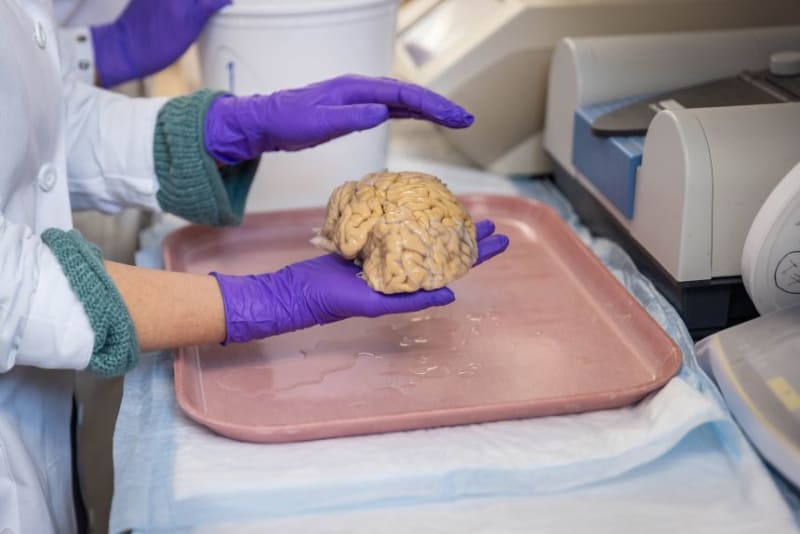
Brain tissue analysis revealed SuperAgers have three times fewer tau tangles, a hallmark of Alzheimer's disease. Their memory neurons are "beautiful, humongous, very healthy," some even larger than neurons in people in their 30s.
The secret might lie in how SuperAgers' brains create an enhanced ecosystem that nurtures both new and existing neurons. It's not just one factor but a combination of cellular environments working together to maintain mental sharpness.
This research opens doors to understanding how we might all protect our cognitive health as we age, offering real hope for keeping our minds vibrant through every decade of life.
More Images

Based on reporting by Google News - Scientists Discover
This story was written by BrightWire based on verified news reports.
Spread the positivity!
Share this good news with someone who needs it